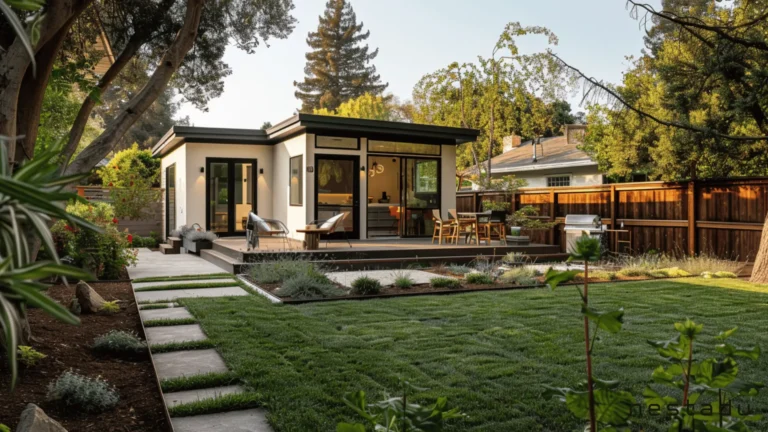
Homes for Multi-Generational Families Modern Living Solutions for Connected Generations
The concept of homes for multi-generational families has gained remarkable popularity in recent years as families seek practical, emotionally fulfilling, and financially sound living solutions. These homes are specifically designed to accommodate parents, children, and grandparents-offering privacy, independence, and shared spaces under one roof.
This article explores how multi-generational homes are shaping modern housing, their benefits, design strategies, and real-life examples that demonstrate how technology and architecture are merging to meet diverse family needs.
Understanding Homes for Multi-Generational Families
What Defines a Multi-Generational Home?
A multi-generational home refers to a single residence designed to accommodate multiple generations of a family-often parents, adult children, and grandparents-living together while maintaining private and shared spaces. Unlike traditional single-family homes, these residences incorporate flexible layouts that balance independence and connection.
Designers integrate features such as dual master suites, private entries, secondary kitchens, and adaptable living areas to ensure comfort and privacy for every household member. As family structures evolve and housing costs rise, this model offers both emotional and economic advantages.
Why Multi-Generational Living is Growing in Popularity
Economic conditions, aging populations, and cultural traditions are driving the resurgence of multi-generational living. The COVID-19 pandemic further accelerated this shift, with families valuing proximity and support systems over separation.
Many homeowners are discovering that these homes foster stronger family relationships, provide in-home caregiving options, and offer more efficient use of resources. Builders and developers have responded by creating customizable layouts that reflect these lifestyle changes.
Key Benefits of Multi-Generational Homes
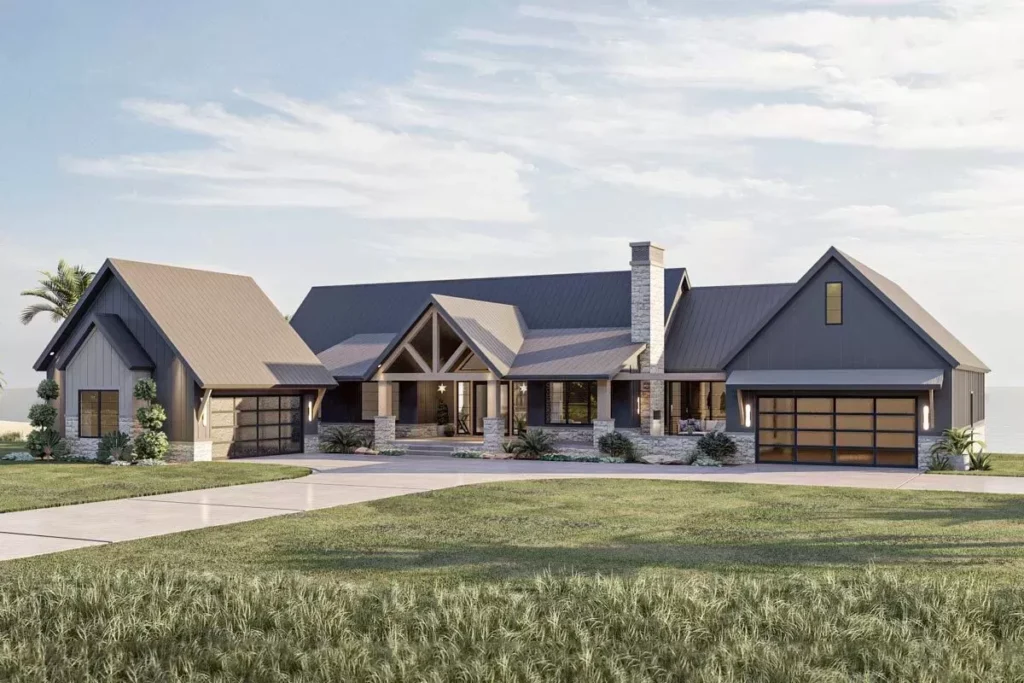
Emotional Connection and Family Support
Multi-generational homes enhance emotional well-being by keeping families connected. Elderly members receive care and companionship, while children grow up surrounded by grandparents-strengthening intergenerational bonds.
This living arrangement also encourages shared responsibilities, reducing stress on working parents. Whether it’s babysitting, shared meals, or cultural continuity, the sense of unity is a major emotional benefit.
Financial Efficiency and Shared Expenses
One of the most significant advantages is cost savings. Multi-generational homes allow families to combine resources-reducing mortgage payments, utility bills, and maintenance expenses. This is particularly valuable in expensive real estate markets where affordability remains a challenge.
In addition, home equity builds faster when multiple incomes contribute to property costs, making this living model a smart long-term investment.
Sustainability and Resource Optimization
Multi-generational living promotes sustainability. Shared utilities, centralized heating and cooling systems, and collective consumption reduce energy usage and environmental impact.
Builders are increasingly using eco-friendly materials and smart home systems to create energy-efficient spaces suitable for multiple generations-aligning comfort with environmental responsibility.
Real-World Examples of Homes for Multi-Generational Families
1. Lennar’s Next Gen “Home Within a Home” Design
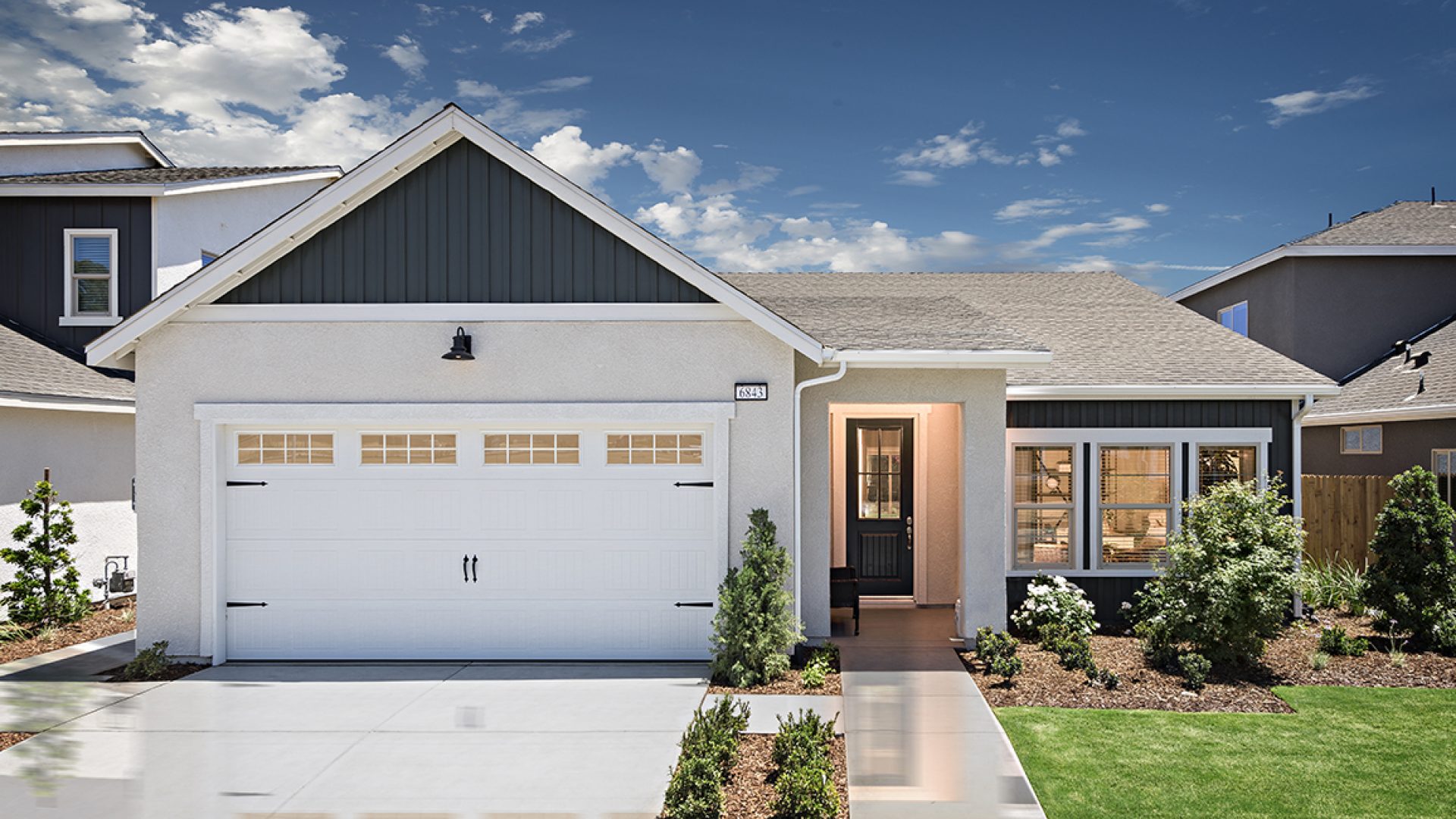
Lennar, a prominent U.S. homebuilder, pioneered the Next Gen home concept-featuring a self-contained suite with its own living area, bedroom, bathroom, and kitchenette.
These designs cater to families with aging parents or adult children seeking privacy while remaining close to loved ones. The suite includes a private entrance but connects internally to the main home, blending independence and togetherness seamlessly.
This innovative approach has become a benchmark for modern multi-generational housing and is now offered in numerous communities nationwide.
2. Brookfield Residential’s “Flex Design” Homes
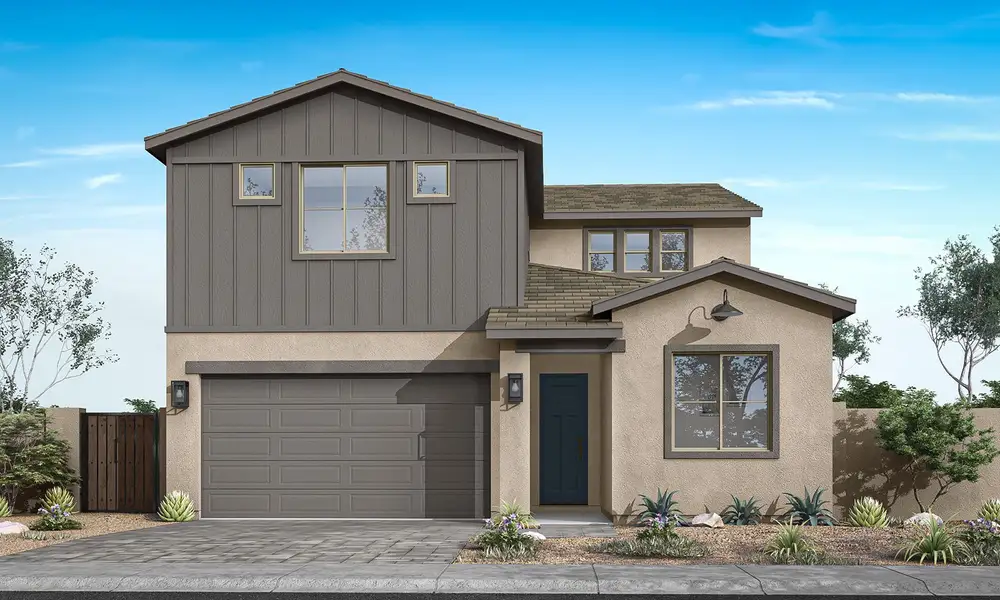
Brookfield Residential offers flexible floor plans designed for evolving family needs. Their layouts include optional secondary suites, convertible garages, and adaptable basement spaces ideal for in-laws or returning college students.
What sets Brookfield apart is the integration of smart home features-including smart locks, voice-controlled lighting, and zoned HVAC systems-to enhance convenience and security across generations. These designs reflect how technology and architecture work together to support family harmony.
3. Toll Brothers’ Multi-Suite Residences
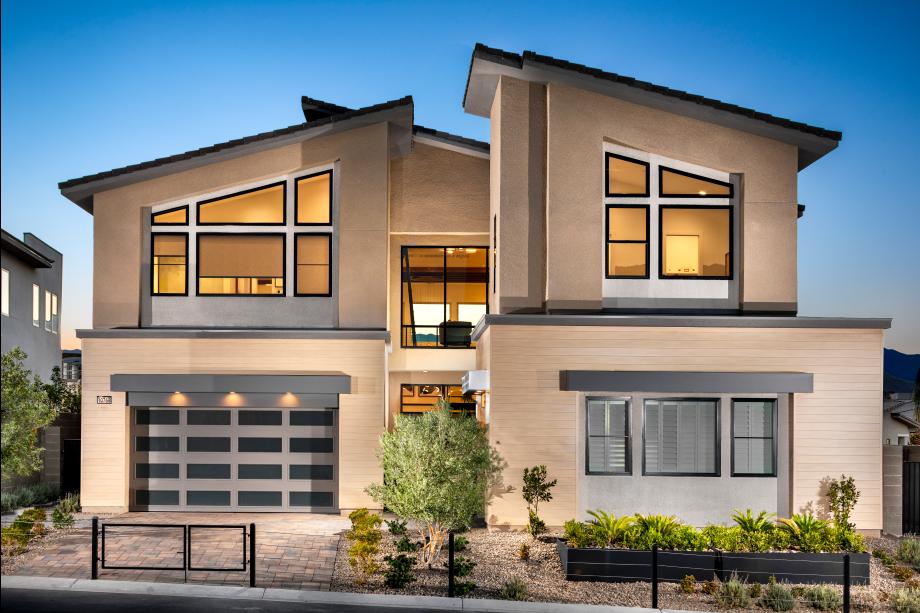
Toll Brothers, known for their luxury homes, has introduced multi-suite layouts in many of their communities. These homes feature elegant private quarters for older family members, complete with accessible bathrooms, open-concept kitchens, and barrier-free designs.
The company’s architectural approach focuses on comfort and accessibility, ensuring elderly residents maintain independence while being close to their families. The inclusion of elevators and single-level living options enhances usability for all ages.
Modern Design Features Supporting Multi-Generational Living
Privacy and Accessibility in Layout Design
A successful multi-generational home must balance private and communal spaces. Architects often design separate wings or floor levels for different generations, ensuring personal space while keeping common areas-such as kitchens and family rooms-central.
Accessibility features, such as wider doorways, step-free entries, and lever-style handles, ensure the home remains functional as family members age.
Smart Home Technology for Comfort and Security
Smart home innovations make multi-generational living more convenient and safe. Voice-activated lighting, automated climate control, and smart security systems allow elderly residents to navigate comfortably and independently.
For example, integrated fall detection systems and remote health monitoring can alert caregivers instantly-making these technologies essential for aging family members living in shared spaces.
Practical Benefits and Real-Life Use Cases
Supporting Elderly Parents
Multi-generational homes eliminate the need for distant senior care facilities by allowing families to care for aging parents within the home. This setup ensures emotional comfort and helps manage healthcare costs.
Families often modify first-floor suites for accessibility, creating safe and familiar environments where older adults can thrive independently with minimal assistance.
Helping Young Adults Transition to Independence
With rising housing costs, many young adults struggle to afford their first homes. Multi-generational residences provide them with affordable living arrangements that allow independence without full financial strain.
These setups foster mentorship, allowing younger generations to learn financial responsibility and life skills while contributing to household management.
Strengthening Family Cohesion
Multi-generational living restores the essence of community within the family unit. Daily interactions among different age groups promote empathy, respect, and emotional security-especially beneficial for children growing up surrounded by grandparents and parents working together.
The Future of Multi-Generational Housing
As the demand for flexible living continues to grow, builders and urban planners are rethinking traditional housing models. Expect to see more developments integrating adaptable layouts, modular suites, and shared outdoor spaces designed for multi-generational families.
Additionally, the integration of AI-driven home management systems will further improve energy efficiency, accessibility, and personalized comfort for all household members.
This evolution highlights a shift from housing as shelter to housing as a holistic lifestyle experience.
Frequently Asked Questions
Q1. What is a multi-generational home?
A multi-generational home is designed to accommodate more than one generation of a family-commonly grandparents, parents, and children-under one roof. These homes feature flexible layouts, private suites, and shared communal areas to support both independence and family interaction.
Q2. How does a multi-generational home save money?
Families sharing a multi-generational home can split mortgage payments, utility costs, and maintenance expenses. This arrangement also reduces external costs such as childcare and eldercare, making it a financially efficient option.
Q3. Are multi-generational homes customizable?
Yes, many builders now offer customizable layouts with options for additional suites, private entries, or accessibility features. This flexibility allows families to tailor the home design to their specific lifestyle needs and plans.