Disaster-Proof Real Estate Investment Strategies for Resilient Property Portfolios
In a world facing intensifying climate risks and unpredictable natural disasters, real estate investors must think beyond traditional location and cash flow metrics. Disaster-proof real estate investment is the strategic approach of acquiring, designing, or retrofitting properties so they can withstand and recover swiftly from floods, storms, wildfires, earthquakes, heat stress, and other hazards.
This article explores how to identify, design, and manage real estate investments with resilience in mind. We’ll cover the methods, technologies, real-world examples, benefits, and practical use cases that make disaster-resilient properties not just safer, but smarter long-term investments.
Why Disaster-Resilient Real Estate Matters
Increasing Frequency and Severity of Natural Hazards
Over the last decades, the world has seen a rising incidence of disasters-hurricanes, floods, wildfires, earthquakes, and extreme heat waves. This trend leads to amplified property damage, insurance losses, and disruption of cash flows. Investors ignoring climate and hazard risk exposure may face severe financial downsides.
Many real estate owners now recognize that resilient design isn’t an optional luxury-it is essential. As one real estate development source puts it: “With global climate change driving major increases in the number of natural disasters … risk mitigation becomes a practical investment.”
Protecting Asset Value and Maintaining Income Streams
A property that fails during a disaster can lose its income, require costly repairs, or even get delisted from use. Resilient investments help safeguard both capital and cash flow. In fact, studies show that for every dollar invested in mitigation, there are often multiple dollars saved in avoided damage or loss.
Moreover, resilient real estate is attracting growing demand from tenants, insurers, and governments, which can translate into premium valuation, lower operating risk, and better financing terms.
Regulatory and Insurer Incentives
Many jurisdictions are beginning to impose stricter building codes for resilience, offer financial incentives for resilient construction, or adjust insurance premiums to penalize vulnerable properties. Developers and investors who proactively design for resilience benefit both from risk mitigation and favorable regulatory or subsidy environments.
As one commentator observes,s: “The question we often hear is how can we afford to pay for resiliency? … The reality is we cannot afford not to.”
Core Principles and Strategies for Disaster-Proof Real Estate
Site Selection and Risk Avoidance
One of the most fundamental strategies is avoiding the highest-risk zones. This means avoiding flood plains, steep slopes prone to landslides, wildfire corridors, or zones known for severe seismic activity. Even before building design, the lot choice can drastically reduce exposure.
When site options are limited, mitigation measures like elevated foundations, retaining walls, or specialized drainage systems become essential. Zoning, local codes, and historical hazard maps must be carefully reviewed.
Resilient Structural Design & Materials
To endure disasters, the structural frame must be robust. This could include:
-
Reinforced concrete or insulated concrete forms (ICFs) that resist impact, fire, and wind.
-
Steel framing and cross-bracing to withstand seismic forces or high winds.
-
Impact-resistant windows and doors, hurricane shutters, or ballistic glass in severe wind zones.
-
Roof anchoring systems and aerodynamic roof forms (e.g., hip roofs) that reduce uplift risk.
-
Fire-resistant materials for siding, roofing, and cladding (e.g, cement fiber board, metal roofs) in wildfire-prone areas.
These design choices ensure that even in extreme events, the property resists major structural failure.
Passive Survivability & Redundancy
An important resilience concept is passive survivability-the capacity of a building to maintain livable conditions even when utilities fail.
Techniques include:
-
Thermal mass and insulation so that a building stays within safe temperature ranges during g power outage
-
Natural ventilation, cross-venting, and shading to avoid overheating
-
Storage tanks and gravity-fed water systems
-
Backup systems (generators, solar + battery, microgrid capability)
-
Redundant plumbing and electrical routing
These features keep properties functional during and immediately after disaster events.
Flood and Water Management
Water is often the biggest threat in disasters-flooding, storm surge, sewage backup. Essential strategies include:
-
Elevated foundations (piers, stilts, raised slabs)
-
Flood barriers, floodwalls, levees, or deployable flood panels
-
Flood-resistant materials on lower levels (e.g., concrete, sealed masonry)
-
Drainage systems (swales, French drains, interceptors) and site grading to shed water away from the building footprint
-
Backflow valves and floodproofing for plumbing systems
These measures protect the property’s lower levels and structural integrity during inundations.
Fire, Wind, and Debris Protection
In regions prone to wildfire or hurricanes:
-
Creating defensible space and appropriate landscaping buffers
-
Fire-resistant cladding, ember-resistant vents, and non-combustible roofing
-
Elevating and enclosing underfloor areas to reduce debris intrusion
-
Storm shelters, reinforced safe rooms, or interior refuge zones
-
Wind-resistant design that can shed debris impact
These strategies reduce the chance of ignition, structure failure, or penetration damage.
Adaptive Design and Flexible Retrofitting
Resilience isn’t static. Good designs allow future upgrades. Examples include:
-
Pre-planned conduits or plumbing chases for future redundancy
-
Roofs built to bear solar panels or green roofs
-
Modular structural elements that can be reinforced later
-
Retrofit kit-ups for adding shutters, backup systems, or flood barriers
This flexibility helps the asset evolve as climate risk changes.
Real-World Examples of Disaster-Proof Real Estate Investment
1. Dome Homes by Natural Spaces Domes (Minnesota, USA)
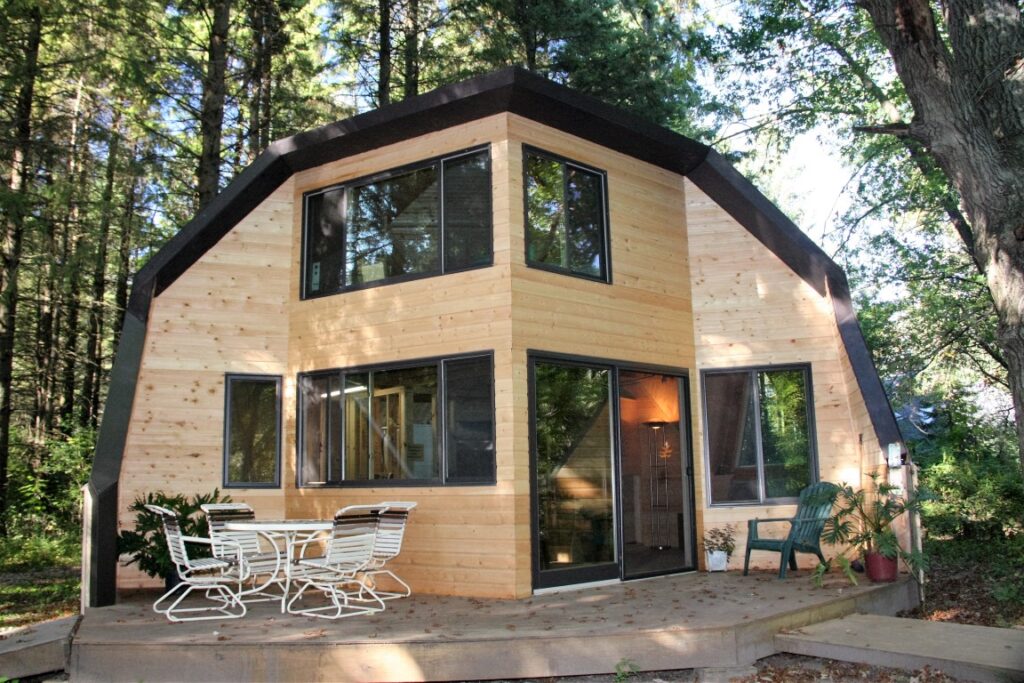
These geodesic dome homes are inherently disaster-resilient: their curved shape handles high wind loads, sheds snow, and minimizes stress concentrations. In fact, dome structures are reported to be capable of withstanding severe winds, heavy snowfall, and fire-resistant exteriors.
Because they use less lumber and fewer straight walls, they reduce material weakness zones and energy loss surfaces. For real estate investors, domes offer lower maintenance risk and enhanced resilience against storm damage.
2. Apex Point House by Ian Weir (Tasmania, Australia)
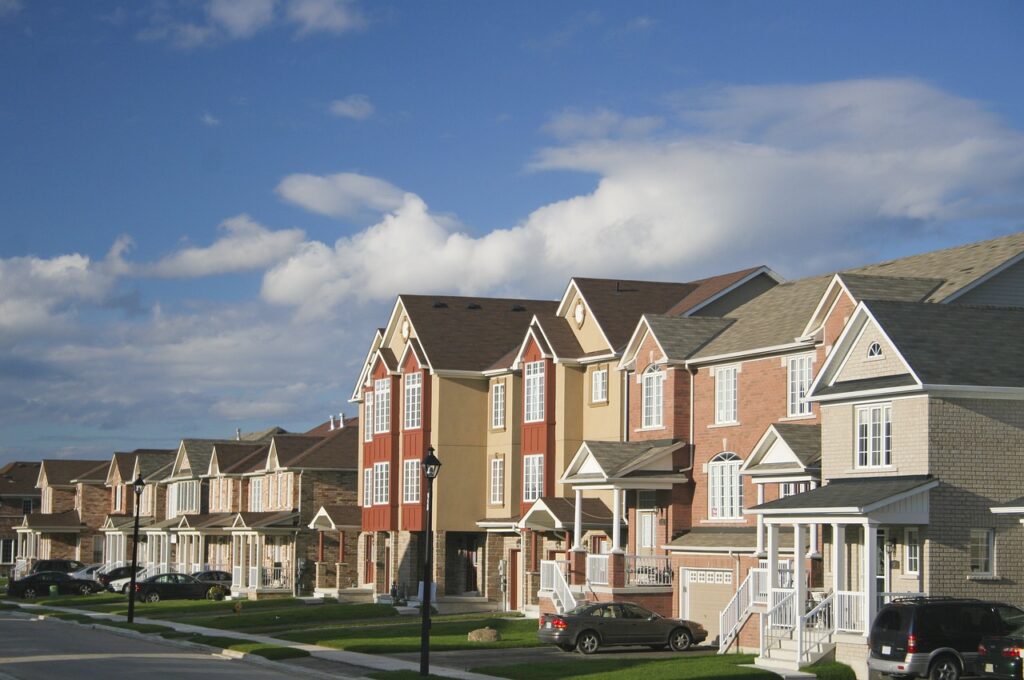
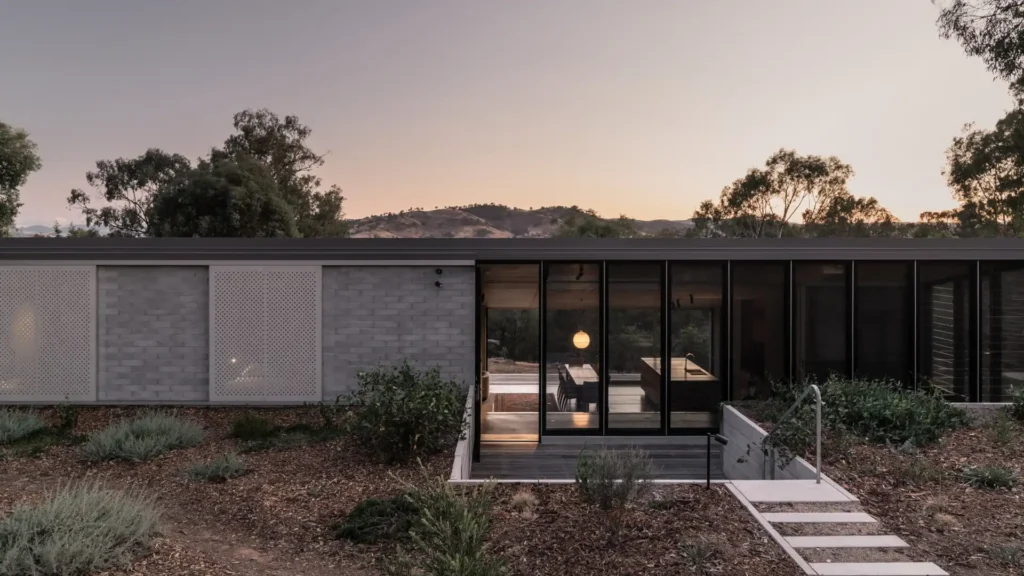
Apex Point House is built with airtight steel and glass, using resilient design principles to resist fire, seismic, and wind risks. It demonstrates how architects can blend aesthetics and resilience.
This property is intentionally sited and designed to “make the bush your ally,” using clearing, defensible landscaping, and resilient materials to reduce wildfire exposure. For investors, it illustrates the premium attainable in high-end resilient real estate.
3. Resilient Homes Project (SmallChange / Off-Grid Design)
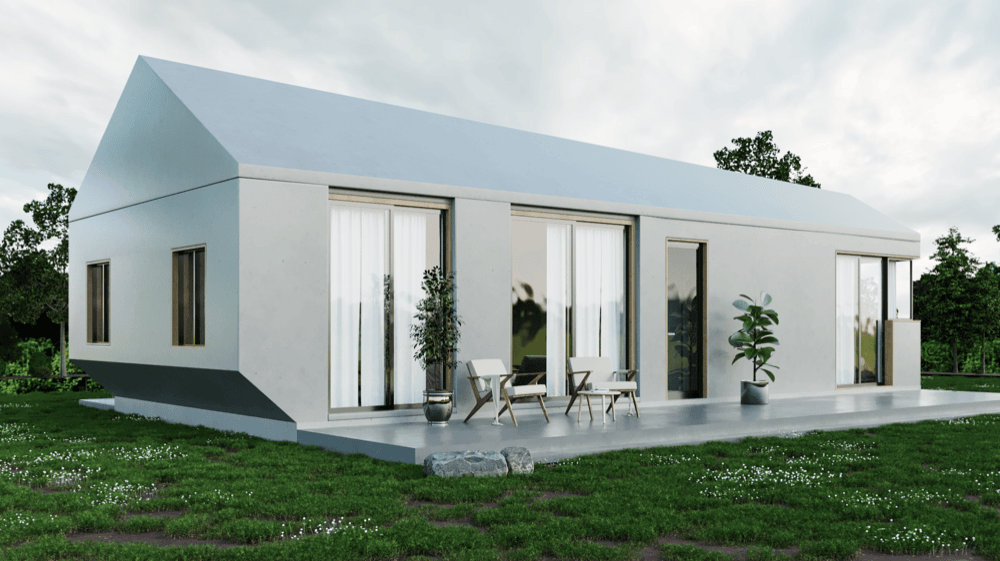
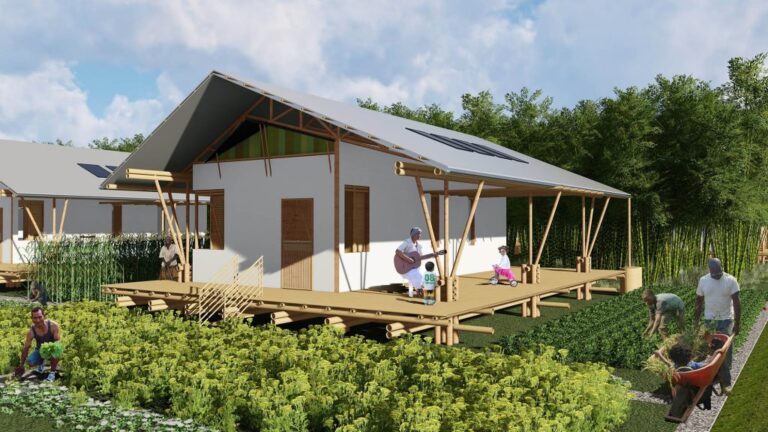
In remote and rural communities, SmallChange’s Resilient Homes are built to withstand earthquakes, wildfires, hurricanes, and flooding.
These homes use insulated concrete panels, steel-clad modules, tight envelope sealing, and off-grid integration (solar, geothermal, battery backup). They aim to deliver climate-resilient dwellings with lower risk exposure, even in challenging environments.
The Role of Technology in Disaster-Proof Investments
Smart Monitoring and Predictive Systems
IoT sensors, structural health monitors, and early warning systems can give investors a real-time understanding of building performance and hazard exposure. For instance, sensors may alert to water intrusion, stress loads, crack formation, or fire risk before serious damage occurs.
Machine learning models can analyze weather forecasts, river gauges, and structural data to trigger preemptive protective actions (e.g, closing shutters, enabling backup systems).
Automated Backup Power and Microgrids
Integrating solar panels, battery storage, and microgrid architectures gives properties independent power during grid outages. Critical loads (HVAC, pumps, communications) can remain operational during disasters, thus maintaining habitability and income continuity.
Automated switching ensures seamless transitions from grid to backup without tenant interruption.
Resilience Analytics & Risk Modeling
Advanced modeling tools help investors evaluate climate hazard exposure, simulate disaster stress tests, and rank resilience investments by cost-benefit. Disaster-Proof Real Estate Investment software tools become central for underwriting resilient properties. erty portfolios and validating valuation uplift.
A property that resists losses under stress becomes more bankable and insurable.
Building Automation for Safety & Recovery
Post-disaster tasks-ventilation, drying, flood pump operations-can be automated. Smart valves, moisture sensors, and HVAC controls can minimize mold, water damage, or structural weakening during the immediate recovery phase.
Automated alerts and remote management reduce dependency on manual response when access is constrained.
Benefits of Disaster-Proof Real Estate Investments
Reduced Risk of Catastrophic Loss
The foremost advantage: safeguarding capital. A resilient building is less likely to suffer severe structural or system failures during disasters, preserving both principal and revenue.
Moreover, the cost of retrofits or preventative measures is often far less than loss recovery, making resilience a prudent hedge against tail risks.
Lower Insurance Costs and Improved Insurance Terms
Insurers are increasingly pricing risk. Properties with proven resilience features (floodproofing, fire resistance, wind design) can secure lower premiums or better coverage options.
These savings compound over time and improve the margin profile of real estate investments.
Higher Market Value and Tenant Demand
Disaster-resilient properties command a premium in the marketplace due to lower operational risk, lower downtime, and tenant trust in safety. In markets aware of climate exposure, resilient design is becoming a differentiator.
Tenants prefer properties that minimize disruption, which can lead to lower vacancy and higher retention.
Improved Long-Term Cash Flow Stability
By reducing disaster-related damage, insurance outages, or downtime, resilient properties deliver more stable, predictable cash flows. This stability enhances financing attractiveness and reduces capital allocation risk.
Regulatory Compliance and Incentives
Properties built to resilient standards may receive regulatory benefits, tax breaks, or grants in jurisdictions promoting climate adaptation. Disaster-Proof Real Estate Investment. These incentives offset upfront costs and increase return on investment.
Adoption of resilient design also aligns with future policy trends-staying ahead of regulation.
Real-World Use Cases & Practical Applications
Coastal Multifamily Buildings in Flood Zones
An investor acquires a beachfront apartment complex. By raising the finished floor elevation, installing flood barriers, using impact windows, and integrating passive flood routes, the property becomes less vulnerable to storm surge.
During hurricanes, the structure experiences only surface flooding and minimal downtime. This enables continuous rent collection and fast recovery.
Suburban Single-Family Home in Tornado Region
A home built with a reinforced safe room, steel-frame shell, aerodynamic roof design, and debris-resistant cladding nearly survives direct tornado impact. The insurance payout is minimal, and recovery is manageable.
By contrast, a comparable conventional home would have suffered major structural failure and long vacancy.
Rural Off-Grid Resilient Housing Development
A developer builds a small community of resilient homes using insulated concrete form construction, solar + battery systems, and plumbing redundancy. These homes remain functional during grid outages, regional storms, or wildfire smoke events.
Investors rent or sell them as “disaster-secure homes,” appealing to climate-aware buyers who value continuity, safety, and sustainability.
Commercial Asset in Heat-Stressed Urban Context
A small office building installs passive cooling elements (shade, green roof), upgraded HVAC resilience, backup generation, and structural reinforcements in heatwave-prone areas. Disaster-Proof Real Estate Investment. During extended heat spells, tenant operations continue, avoiding downtime that would have occurred in older building systems.
This resilience becomes a competitive edge vs less-prepared office stock.
Challenges, Trade-Offs & Mitigation
Higher Upfront Costs
Resilient design often increases initial capital expenditures, such as stronger materials, backup systems, site engineering, and automation. The financial hurdle can deter some investors.
To manage this, investors often conduct resilience ROI analyses to quantify payback periods and integrate them into underwriting. Grants, incentives, or resilient-focused finance programs can also bridge the gap.
Uncertainty in Hazard Projections
Future climate change adds uncertainty to which hazards will dominate. Over-investing in one risk (e.g., flood) may leave the property vulnerable to another (e.g., wildfire).
Diversified resilient approaches-multi-hazard design, modular adaptability, scenario modeling-help reduce this error. Flexibility is key.
Maintenance and Systems Complexity
Backup systems, sensors, or moving parts can require ongoing maintenance. Disaster-Proof Real Estate Investment. If these systems fail, they can negate resilience benefits.
Robust design, redundancy, and regular maintenance protocols must be part of the operating plan. Automation helps manage recurring tasks.
Market Acceptance and Education
Some real estate markets are slow to reward resilience, and potential buyers or tenants may not fully value the benefits.
Marketing, certifications (e.g, resilient design standards), and disclosure of resilience features help overcome information asymmetry.
Steps to Evaluate or Develop Disaster-Proof Real Estate
-
Hazard Mapping & Risk Assessment – Use local flood maps, wildfire zones, seismic data, and climate projections to evaluate site exposure.
-
Design to Resist Local Hazards – Tailor structural and material choices to the dominant threats (e.,g. flood, fire, wind).
-
Incorporate Passive Survivability – Ensure the building remains viable during power or service interruptions.
-
Integrate Smart Systems & Redundancy – Deploy sensors, automation, backup power, and predictive alerts.
-
Use Resilient Materials & Construction Methods – Reinforced concrete, impact glazing, fire-resistive cladding, structural anchoring.
-
Plan for Future Adaptation – Leave room for upgrades and retrofitting as climate conditions evolve.
-
Evaluate Financial Trade-Offs – Run cost-benefit models, estimate insurance savings, and forecast rent premium potential.
-
Maintain & Monitor Systems – Establish protocols for testing, maintenance, and performance monitoring.
-
Certify & Market Resilience – Use recognized resilience standards or community resilience credentials to validate value.
Frequently Asked Questions
Q1. What does “disaster-proof” really mean in real estate?
“Disaster-proof” doesn’t imply total immunity to every catastrophe. Rather, it means designing and constructing a property to mitigate damage, maintain essential functions, and recover quickly. It involves resisting structural damage, protecting systems, and enabling continuity of use.
Q2. Does resilient design significantly increase your returns?
Yes-over time, resilient properties often outperform because of lower repair costs, reduced downtime, lower insurance premiums, better tenant retention, higher valuation, and improved financing terms. The key is proper cost-benefit modeling and incorporating resilience as a core value driver, not simply a defensive expense.
Q3. Can existing real estate assets be retrofitted for disaster resilience?
Absolutely. Although some resilience features are best integrated in new builds, many retrofits are feasible: floodproofing, structural reinforcement, backup systems, smart sensors, upgraded windows/doors, and defensive landscaping. The retrofitting path should start with the highest-risk vulnerabilities.