Eco Housing Developments The Future of Sustainable Living and Real Estate Innovation
Eco housing developments represent the next evolution in sustainable living communities designed to minimize environmental impact while maximizing efficiency, comfort, and quality of life. These developments integrate renewable energy sources, sustainable materials, water conservation systems, and smart technologies to reduce carbon footprints and resource consumption.
At their core, eco housing projects are built around environmental, social, and economic sustainability. They not only aim to reduce energy waste and pollution but also promote community well-being through green spaces, shared resources, and responsible urban planning. With the global focus on climate action and carbon neutrality, eco housing has become a defining trend in modern real estate.
Developers now design with sustainability metrics in mind, focusing on passive architecture, energy-efficient insulation, and local material sourcing. As buyers increasingly seek homes that align with their environmental values, eco housing developments are becoming a leading choice in the property market.
The Principles Behind Eco Housing
Eco housing developments are guided by several key sustainability principles that shape their planning and construction. These principles ensure long-term efficiency and minimize ecological disruption.
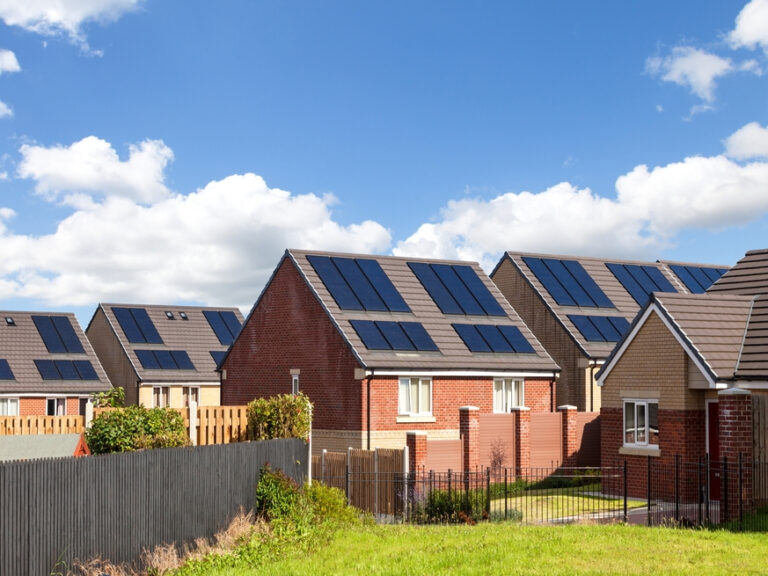
First, energy efficiency is central. Buildings are designed to consume minimal power through insulation, natural ventilation, and renewable sources like solar or geothermal energy. Smart grids and home automation systems help manage and optimize energy usage.
Second, water conservation plays a critical role. Rainwater harvesting, greywater recycling, and low-flow fixtures reduce waste while maintaining comfort. Landscaping often uses drought-tolerant plants that thrive with minimal irrigation.
Third, sustainable materials define the building process. Developers use recycled, low-carbon, and non-toxic materials such as bamboo, reclaimed wood, and recycled steel. This reduces environmental degradation and supports a circular economy.
Lastly, community integration ensures that these developments foster well-being and connection. Shared gardens, communal energy systems, and walkable layouts enhance both environmental and social sustainability.
The Role of Technology in Eco Housing Developments
Technology has become an essential enabler of eco-housing advancements. Smart technologies enhance sustainability through automation, data analytics, and renewable energy integration. For example, smart meters and energy management systems help residents monitor usage and make adjustments that reduce waste.
Renewable energy systems, particularly solar power and geothermal heating, are key to achieving net-zero emissions. Innovations like battery storage solutions allow communities to maintain power during peak demand or grid outages. Additionally, smart irrigation systems and AI-driven water sensors help conserve water resources efficiently.
In many eco housing projects, building information modeling (BIM) and digital twin technology are used to optimize design before construction begins. These tools simulate energy consumption, lighting, and material behavior under different conditions, ensuring the final structure performs as sustainably as possible.
The combination of technology and ecological design principles transforms eco housing from a niche trend into a scalable solution for sustainable living.
Real-World Examples of Eco Housing Developments
1. BedZED, London, United Kingdom
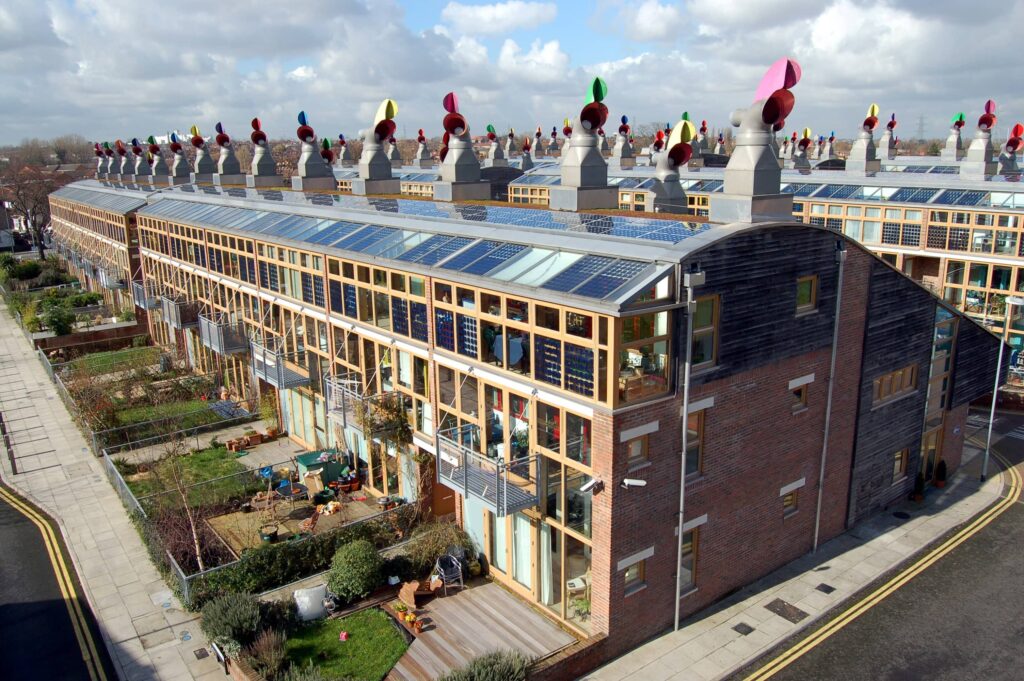
The Beddington Zero Energy Development (BedZED) in London is one of the most recognized eco-housing communities in the world. Designed by Bill Dunster Architects, BedZED focuses on zero-energy living, combining solar energy, high insulation, and natural ventilation systems.
Residents enjoy homes built from reclaimed materials, with a layout that encourages walking and cycling. The community also uses an on-site water recycling system and shared electric vehicles, reducing reliance on fossil fuels. BedZED serves as a pioneering example of how sustainable architecture can be both practical and attractive.
2. Vauban District, Freiburg, Germany
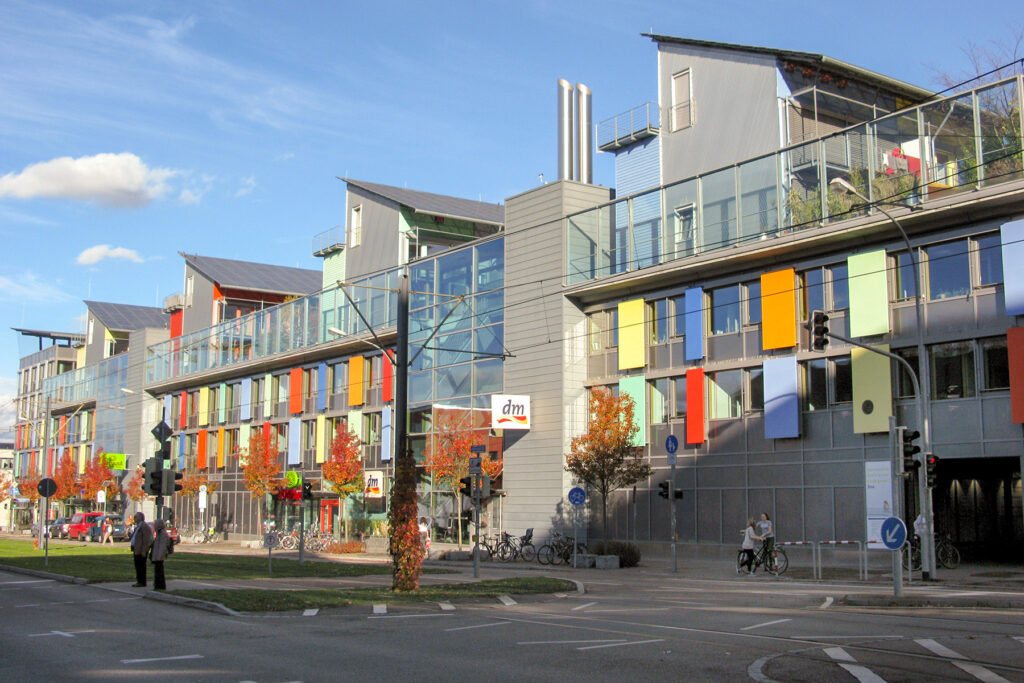
The Vauban District in Freiburg, Germany, showcases a large-scale application of eco-housing principles. This car-free neighborhood emphasizes renewable energy, passive house design, and community participation.
Homes in Vauban are built to ultra-low energy standards, often producing more power than they consume. Green roofs, rainwater collection, and solar heating systems are standard features. The district’s success has inspired sustainable urban planning projects across Europe, proving that eco housing can thrive in dense urban environments.
3. Masdar City, Abu Dhabi, United Arab Emirates
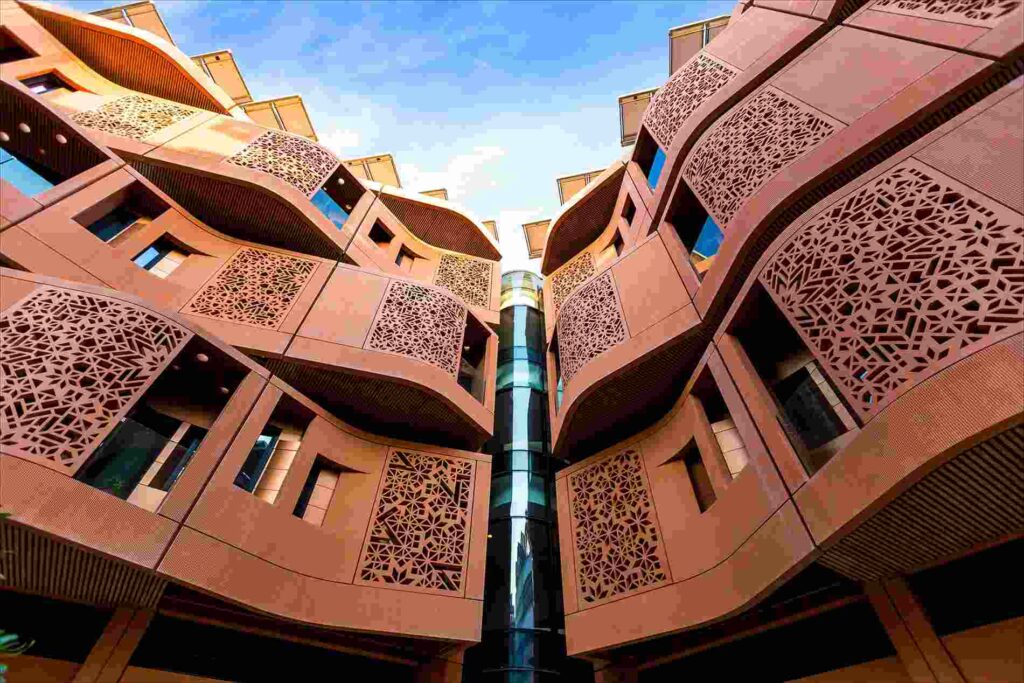
Masdar City is a cutting-edge development built to demonstrate that sustainability and technology can coexist in one of the world’s harshest climates. Designed as a zero-carbon urban hub, it features renewable energy grids, autonomous electric transport, and intelligent building systems.
Each structure in Masdar City is oriented to maximize shade and natural cooling, reducing energy demand for air conditioning. The city’s integrated smart systems monitor energy and water use in real time, setting a global benchmark for eco housing in extreme environments.
4. The Grow Community, Bainbridge Island, USA
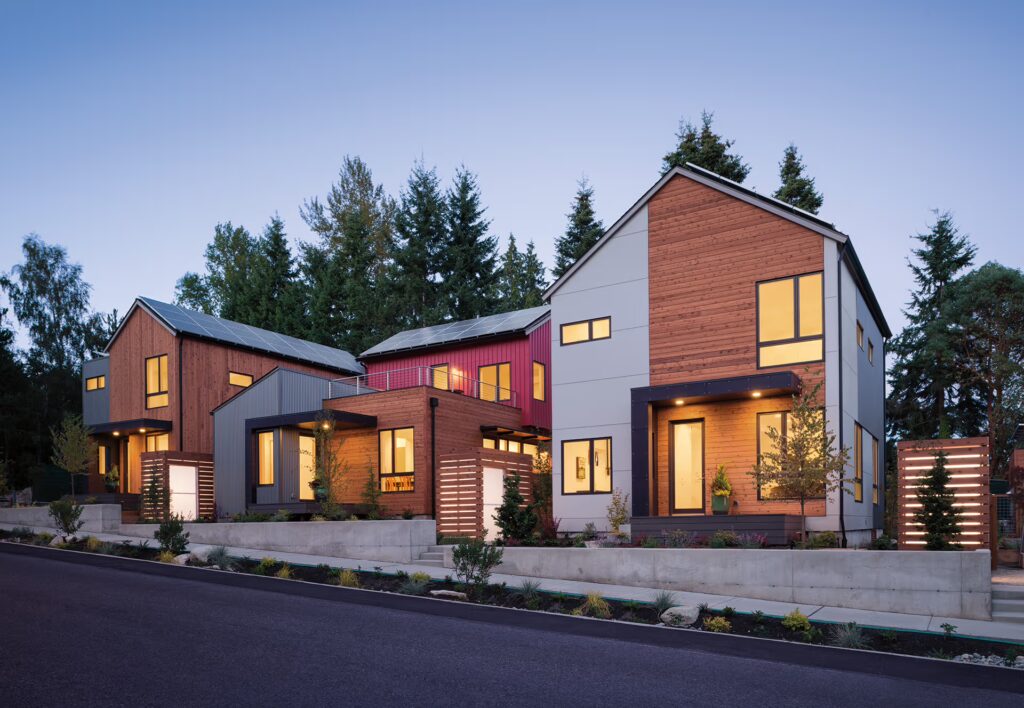
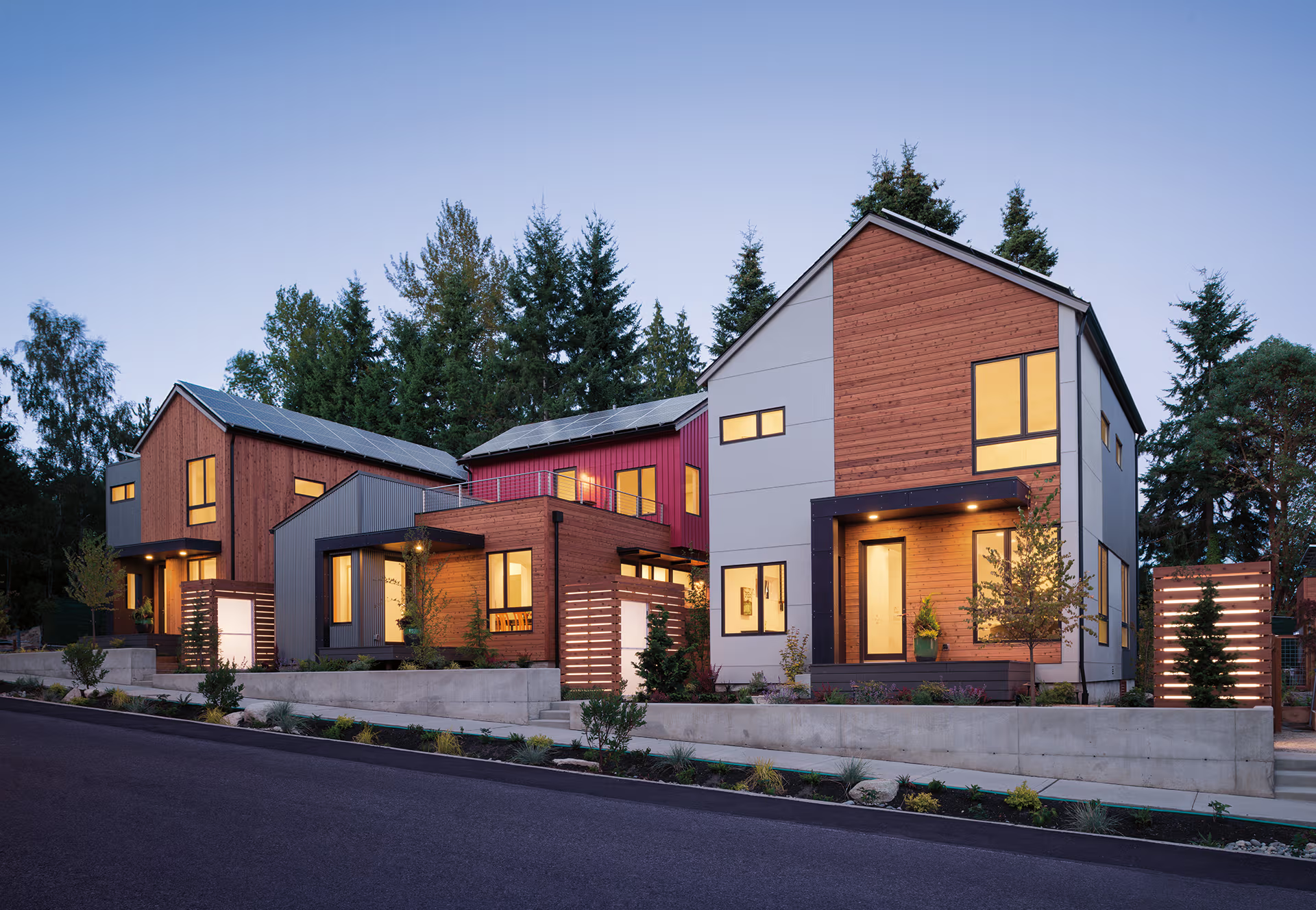
The Grow Community in Washington State is designed around the concept of “one planet living.” It incorporates solar power, energy-efficient appliances, and walkable layouts that encourage low-impact lifestyles.
Residents share gardens and communal spaces that promote sustainable food production and social interaction. Each home is built using low-toxicity materials and features advanced insulation to maintain comfort year-round. The Grow Community exemplifies how sustainable living can enhance community cohesion and reduce ecological footprints simultaneously.
Benefits of Eco Housing Developments
Eco housing developments offer a multitude of benefits that extend beyond environmental impact. They create healthier living spaces, reduce operational costs, and contribute to long-term financial and social stability.
One major advantage is energy efficiency. Homes designed with solar panels, high-grade insulation, and smart energy systems significantly lower utility bills. Over time, this leads to reduced dependence on non-renewable energy sources and greater resilience against fluctuating energy markets.
Another benefit is improved air and water quality. Non-toxic materials, proper ventilation, and eco-friendly landscaping enhance residents’ health and reduce pollution. Sustainable construction also limits waste and supports local economies by sourcing regional materials.
Additionally, property value stability is a growing incentive. As environmental regulations tighten and consumer demand for sustainability increases, eco-friendly homes maintain higher resale value compared to conventional properties. Investors and buyers alike recognize their long-term advantages, making eco housing both a responsible and profitable choice.
Use Cases: How Eco Housing Solves Real-World Challenges
Eco housing developments address multiple pressing global challenges. For instance, in regions affected by extreme weather, sustainable design mitigates energy use and increases resilience. Passive cooling and heating systems reduce dependency on fossil fuels, helping communities adapt to climate change.
In urban centers, eco housing helps combat air pollution and the heat island effect. Green roofs, urban forests, and renewable energy integration collectively lower citywide temperatures and improve living conditions.
Affordable housing is another area where eco development makes a difference. Modular and prefabricated sustainable housing can be built faster and at lower costs, making green living accessible to more people. Such projects also create new employment opportunities in the green construction and technology sectors.
Moreover, eco housing enhances mental and physical well-being by integrating natural environments. Access to sunlight, green spaces, and community gardens improves quality of life and fosters social inclusion-key aspects of sustainable urban living.
Frequently Asked Questions
Q1. What defines an eco-housing development?
Eco housing developments are residential projects designed to reduce environmental impact through energy efficiency, renewable energy, sustainable materials, and smart technologies. They focus on long-term ecological balance, economic viability, and improved quality of life.
Q2. Are eco housing developments more expensive to build?
Initially, eco housing may have higher construction costs due to specialized materials and technology. However, long-term savings from energy efficiency, lower maintenance, and increased property value typically outweigh the initial investment.
Q3. How does eco housing contribute to climate change mitigation?
Eco housing developments reduce carbon emissions by minimizing energy consumption, using renewable resources, and promoting sustainable lifestyles. These practices collectively help slow global warming and protect natural ecosystems.