Adapting Cities to Climate Change Strategies, Technologies, and Real-World Examples for Urban Resilience
Cities are at the frontline of climate change. As global temperatures rise, urban areas experience increased flooding, heatwaves, air pollution, and resource scarcity. Adapting Cities to Climate Change. Over half of the world’s population now lives in cities, making urban adaptation one of the most urgent priorities of the 21st century.
Adapting cities to climate change involves redesigning infrastructure, updating policies, and integrating technologies that reduce vulnerability to environmental threats. The focus is not only on protecting citizens from immediate climate risks but also on ensuring long-term sustainability and livability.
Urban areas contribute significantly to greenhouse gas emissions due to dense traffic, industrial activities, and energy consumption. However, cities also hold the greatest innovation potential. With the right planning and technologies, they can become engines of climate resilience.
Why Urban Adaptation Matters
Urban adaptation is no longer optional-it’s essential for survival and prosperity. The consequences of climate inaction are severe: frequent flooding, heat-related illnesses, infrastructure collapse, and economic loss.
Cities are particularly vulnerable because of their built environments, which amplify heat and reduce natural water absorption. For instance, the “urban heat island effect” makes city temperatures several degrees higher than surrounding rural areas. Meanwhile, sea-level rise threatens coastal cities worldwide, from New York to Jakarta.
Adaptation ensures that communities can withstand and recover from such events. It means designing infrastructure that can handle floods, creating green spaces that cool the environment, and integrating technology to manage resources efficiently.
Moreover, urban adaptation drives social and economic benefits-creating jobs in green construction, improving air quality, and fostering healthier, more connected communities.
Core Strategies for Adapting Cities to Climate Change
Green Infrastructure and Urban Greening
Green infrastructure uses natural systems to address climate risks. Urban parks, rooftop gardens, and green walls absorb rainwater, reduce heat, and improve air quality. Cities like Singapore and Copenhagen have adopted green corridors that not only beautify urban spaces but also enhance biodiversity.
Tree planting programs and urban forests play a major role in regulating temperatures and reducing carbon emissions. For instance, increasing vegetation by just 10% can lower local air temperatures by up to 2°C, making green infrastructure a cost-effective solution.
Sustainable Water Management
Climate change intensifies floods and droughts, making water management crucial. Cities are redesigning drainage systems, constructing flood barriers, and implementing rainwater harvesting technologies.
Advanced “sponge city” concepts, pioneered in China, focus on absorbing, storing, and purifying rainwater naturally through green spaces, wetlands, and permeable pavements. This approach helps control flooding while replenishing groundwater and reducing pollution.
Renewable Energy and Energy Efficiency
Adapting cities also means transitioning to renewable energy. Solar panels, wind turbines, and energy-efficient buildings reduce dependency on fossil fuels and enhance resilience to power disruptions.
Smart grids distribute energy more efficiently and allow cities to respond dynamically to demand changes. For example, cities like Amsterdam and San Diego have invested heavily in renewable microgrids to ensure a reliable power supply during extreme weather events.
The Role of Technology in Building Climate-Resilient Cities
Technology plays a pivotal role in modern urban adaptation. Smart city systems use data and automation to monitor, predict, and respond to environmental challenges in real time.
IoT (Internet of Things) devices, for instance, can track air quality, water levels, and energy use across neighborhoods. Artificial intelligence (AI) analyzes this data to improve decision-making—predicting floods, managing traffic, and optimizing energy distribution.
Digital twins-virtual models of cities-allow planners to simulate climate impacts before implementing projects. This reduces risk, saves costs, and enhances long-term planning accuracy.
Moreover, technology enables citizen engagement. Through mobile apps and community dashboards, residents can receive alerts about air pollution, extreme weather, or emergency evacuations-strengthening public safety.
Benefits of Using Technology in Climate Adaptation
Enhanced Efficiency and Real-Time Monitoring
Smart technologies help cities monitor their environment continuously. Real-time data enables faster responses to emergencies like flash floods or heatwaves. Automated systems can activate floodgates or cooling networks instantly when risks arise.
This level of responsiveness reduces damage, saves lives, and supports efficient city management. It also improves energy and water conservation by minimizing waste through automated control.
Cost Savings and Resource Optimization
Although the initial investment in smart systems is significant, long-term cost savings are substantial. Preventing flood damage, reducing power outages, and improving air quality all translate into lower maintenance and healthcare costs.
Cities adopting smart grids and renewable energy management systems have reported up to 30% reductions in annual energy costs-demonstrating how climate resilience aligns with economic sustainability.
Real-World Examples of Cities Adapting to Climate Change
1. Rotterdam, Netherlands – The Floating City Initiative

Rotterdam is a global leader in urban adaptation. Known for its below-sea-level geography, the city has implemented floating architecture and advanced water management systems. The Floating Pavilion, for example, is an innovative structure that rises and falls with water levels.
This approach demonstrates how design can coexist with nature rather than resist it. Rotterdam’s climate adaptation strategy also includes water plazas-public spaces that double as flood reservoirs during heavy rain.
2. Singapore – The City in a Garden
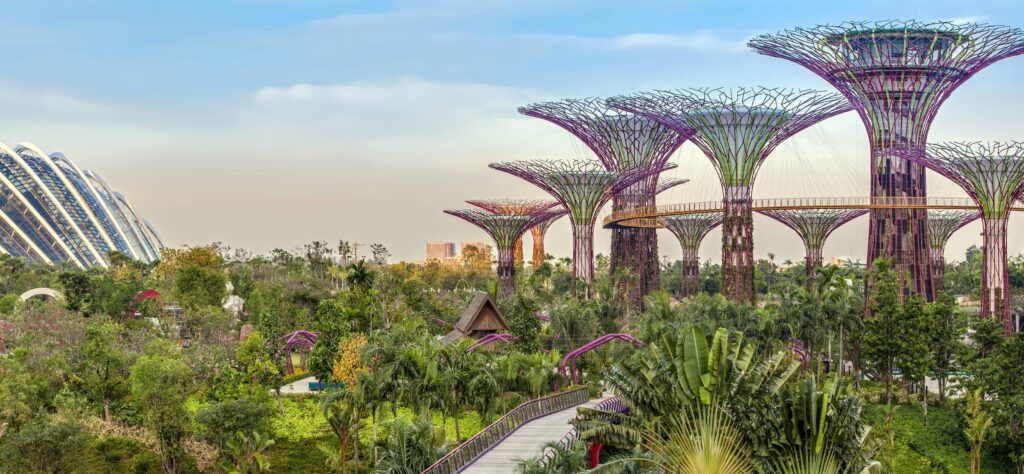
Singapore has turned urban greening into a national identity. Its “City in a Garden” initiative integrates vegetation into every layer of the city-from rooftop gardens to vertical forests.
The government also employs smart water systems that recycle wastewater and collect rainwater efficiently, ensuring a sustainable supply even during dry seasons. This holistic approach combines design, policy, and technology to create a climate-resilient city model.
3. New York City, USA – The OneNYC Plan
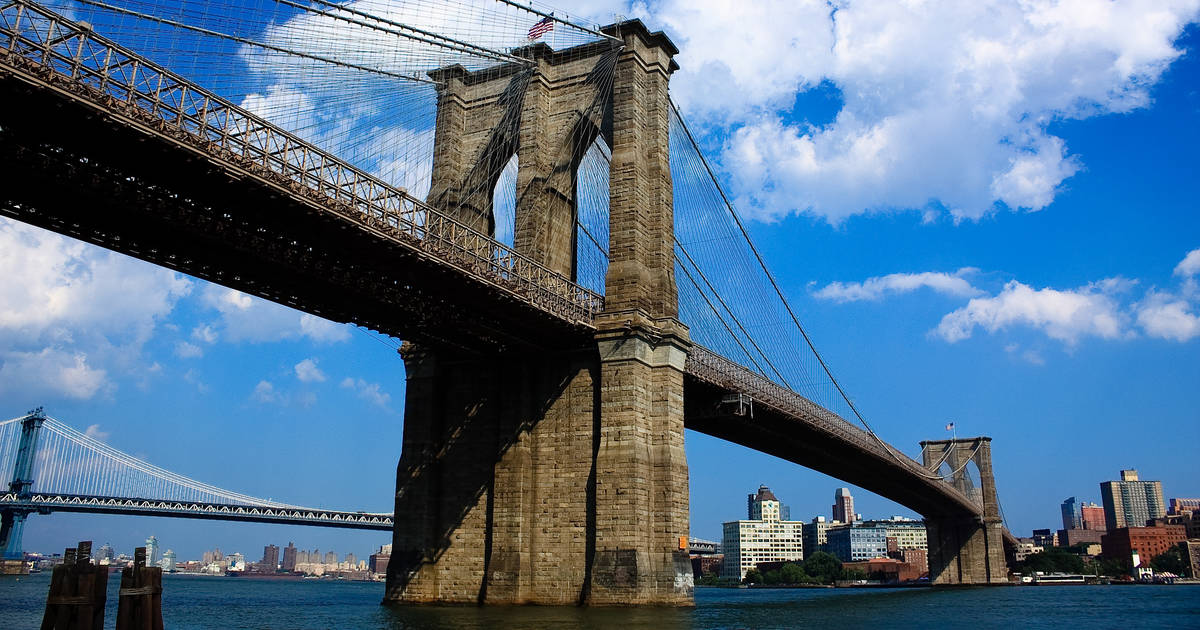
After Hurricane Sandy in 2012, New York City launched the OneNYC plan, focusing on infrastructure resilience and environmental justice. Projects include elevated coastal defenses, improved drainage, and energy-efficient buildings.
Smart flood sensors now monitor water levels across boroughs, while public housing is being retrofitted to withstand extreme weather. The plan integrates social equity with climate action, ensuring vulnerable communities are protected.
4. Copenhagen, Denmark – Cloudburst Management Plan
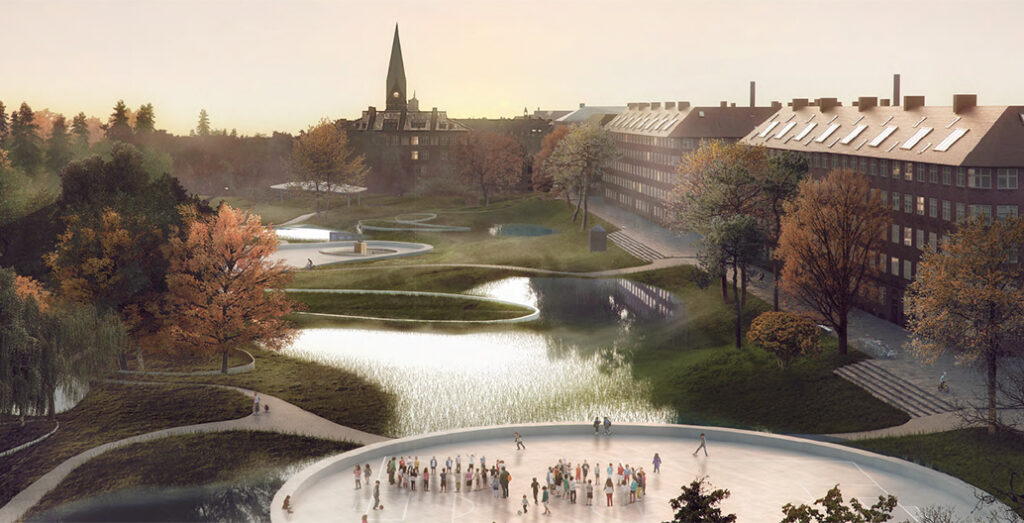
Copenhagen’s Cloudburst Management Plan is a model for sustainable stormwater control. The city uses green streets, retention basins, and permeable surfaces to absorb and channel excess rainwater.
Beyond flood prevention, the plan enhances urban livability through parks, bike paths, and recreational areas that double as flood control systems-blending functionality with community value.
5. Tokyo, Japan – Underground Flood Tunnels
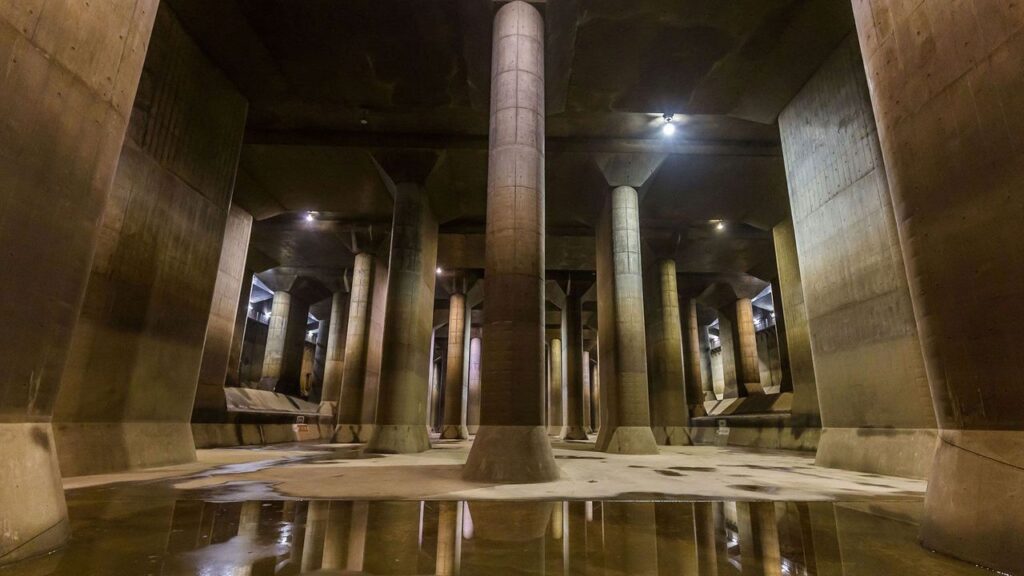
Tokyo has invested in massive underground flood tunnels known as the Metropolitan Area Outer Underground Discharge Channel. This engineering marvel diverts floodwater from rivers into underground storage tanks, protecting millions of residents.
The system’s integration with real-time monitoring technology ensures efficient water control and rapid response during typhoons-setting a global benchmark for climate adaptation engineering.
Use Cases: How Urban Adaptation Solves Real Problems
Flood Management and Coastal Protection
Flooding is one of the most pressing threats to cities. Adaptation measures such as sea walls, green infrastructure, and early warning systems protect lives and reduce property loss.
For example, cities like Rotterdam and Tokyo demonstrate that investing in resilient infrastructure prevents long-term economic disruption and supports continuous urban growth.
Reducing Urban Heat Islands
Heatwaves strain power grids and increase health risks. Cities are combating this through reflective materials, green roofs, and urban forests. Such strategies reduce surface temperatures and improve comfort for residents-especially vulnerable populations.
Improving Air Quality and Public Health
By promoting public transportation, electric vehicles, and renewable energy, cities can significantly cut air pollution. Cleaner air contributes to better health outcomes, lower healthcare costs, and enhanced quality of life.
Future Directions: Designing Climate-Resilient Cities
The future of urban adaptation lies in the intersection of technology, design, and community engagement. Planners are embracing data-driven urban design, circular economies, and decentralized energy systems to build self-sustaining cities.
Resilience will also depend on inclusive policies-ensuring that adaptation benefits all citizens, not just affluent areas. Future cities will integrate climate education, renewable energy infrastructure, and sustainable mobility as fundamental elements of urban planning.
Moreover, innovations such as AI-driven resource management, autonomous maintenance drones, and climate forecasting models will further enhance adaptability and reduce risk.
The cities that act now-investing in resilience-will secure their economic future and safeguard generations to come.
Frequently Asked Questions
Q1. What does adapting cities to climate change mean?
It refers to redesigning and managing urban areas to withstand the impacts of climate change—such as flooding, heatwaves, and rising sea levels—through sustainable infrastructure, technology, and policy changes.
Q2. How can technology help cities adapt to climate change?
Technology enables real-time monitoring, predictive modeling, and efficient resource management. Smart grids, AI, and IoT devices improve resilience by helping cities respond proactively to environmental threats.
Q3. Which cities are leading in climate adaptation?
Cities like Rotterdam, Singapore, Copenhagen, and Tokyo are pioneers in implementing climate-resilient designs, sustainable water systems, and green technologies that serve as global examples of urban adaptation.