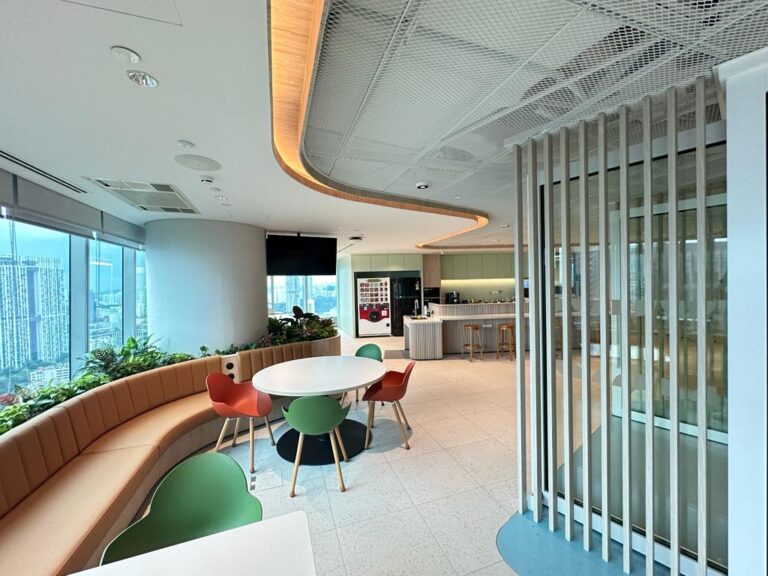
Climate Resilient Homes Building Sustainable, Future-Ready Houses for Extreme Weather and Energy Efficiency
Climate resilient homes are designed to endure the increasing threats posed by climate change, such as floods, heatwaves, wildfires, hurricanes, and rising sea levels. These homes go beyond traditional energy efficiency-they integrate materials, technologies, and designs that help them adapt to environmental stresses while maintaining comfort and livability.
The concept of climate-resilient housing has evolved as global awareness of climate risks has grown. As extreme weather events become more frequent, housing strategies have shifted toward resilience-meaning the ability to resist, absorb, and recover from climatic shocks without compromising structural integrity or habitability.
Resilient housing combines architectural design, modern engineering, and sustainable practices to reduce a building’s vulnerability. For example, elevated foundations help protect against floods, while heat-reflective roofing and passive cooling systems reduce energy demands in hot climates.
Why Climate Resilience in Homes Matters
The global climate crisis affects every region differently, but housing remains one of the most critical sectors at risk. Millions of homes worldwide are exposed to rising sea levels, wildfires, and storms that can cause catastrophic damage. Building climate-resilient homes is no longer optional-it’s a necessity for survival, safety, and long-term investment protection.
Climate-resilient homes reduce the risk of property loss, lower maintenance costs, and provide long-term savings by minimizing damage from extreme conditions. Beyond safety, they enhance sustainability by incorporating renewable energy and efficient resource management.
For homeowners, resilience also translates to comfort and security. Living in a home that can withstand environmental stress means less anxiety about natural disasters and greater control over energy use and indoor climate quality.
Key Principles of Climate Resilient Home Design
Site Planning and Risk Assessment
The first step in building a resilient home is understanding environmental risks. Site planning considers factors like flood zones, wind exposure, soil stability, and fire-prone areas. Homes in vulnerable locations may require elevated designs, strong foundations, or protective barriers.
Modern architects use geographic information systems (GIS) and climate modeling to identify potential hazards before construction begins. This data-driven approach helps developers and homeowners make informed decisions about where and how to build for long-term durability.
Sustainable and Durable Materials
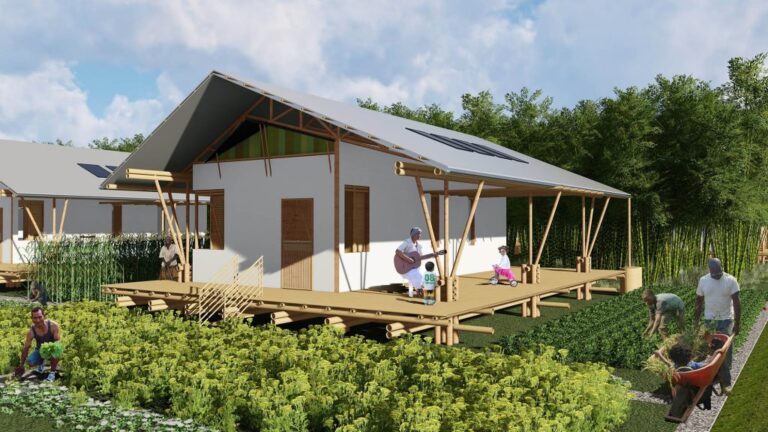
The choice of materials directly impacts a home’s ability to withstand climate events. Sustainable materials such as recycled steel, reinforced concrete, bamboo, and cross-laminated timber (CLT) offer superior strength and longevity.
For example, fiber-cement siding resists both fire and moisture, while high-performance insulation reduces energy consumption and helps regulate indoor temperatures. Using locally sourced and renewable materials also reduces carbon footprints and supports sustainable construction practices.
Energy Efficiency and Renewable Power
Climate resilient homes often integrate renewable energy systems such as solar panels or geothermal heating. Energy efficiency is critical for maintaining comfort during power outages or extreme heatwaves.
Smart energy systems can automatically adjust power usage based on weather patterns, further improving resilience. This ensures that homes remain operational and sustainable even when external energy supplies are disrupted.
Benefits of Using Technology in Climate Resilient Homes
Smart Monitoring and Automation
Technology plays a pivotal role in improving climate resilience. Smart sensors and automation systems monitor indoor and outdoor conditions, adjusting ventilation, lighting, and temperature for optimal comfort and energy efficiency.
For instance, moisture sensors can detect early signs of flooding, while fire-detection networks connected to local emergency systems provide faster response times. These tools not only enhance safety but also reduce maintenance costs through early detection of issues.
Renewable Energy Integration
Climate resilient homes often use solar panels, battery storage, or microgrid systems. These technologies provide independence from unstable power grids, ensuring reliable energy during blackouts or disasters.
Homeowners benefit from lower energy costs and reduced reliance on fossil fuels, while communities gain from distributed energy systems that stabilize local power supply.
Predictive Maintenance and AI Analytics
AI-driven systems can predict potential issues such as roof damage, insulation failure, or foundation movement by analyzing sensor data over time. This proactive approach extends the life of the home and reduces the risk of costly repairs after severe weather events.
Real-World Examples of Climate Resilient Homes
1. The Float House – New Orleans, USA

Developed by Morphosis Architects for the Make It Right Foundation, the Float House is designed to protect residents from flooding. The structure rests on a chassis that can float during flood events, rising with the water level while remaining anchored for stability.
This innovative design emerged after Hurricane Katrina and serves as a model for flood-prone areas. The house uses sustainable materials and incorporates solar panels and rainwater harvesting systems, embodying both resilience and environmental responsibility.
2. Casa Corallo – Guatemala
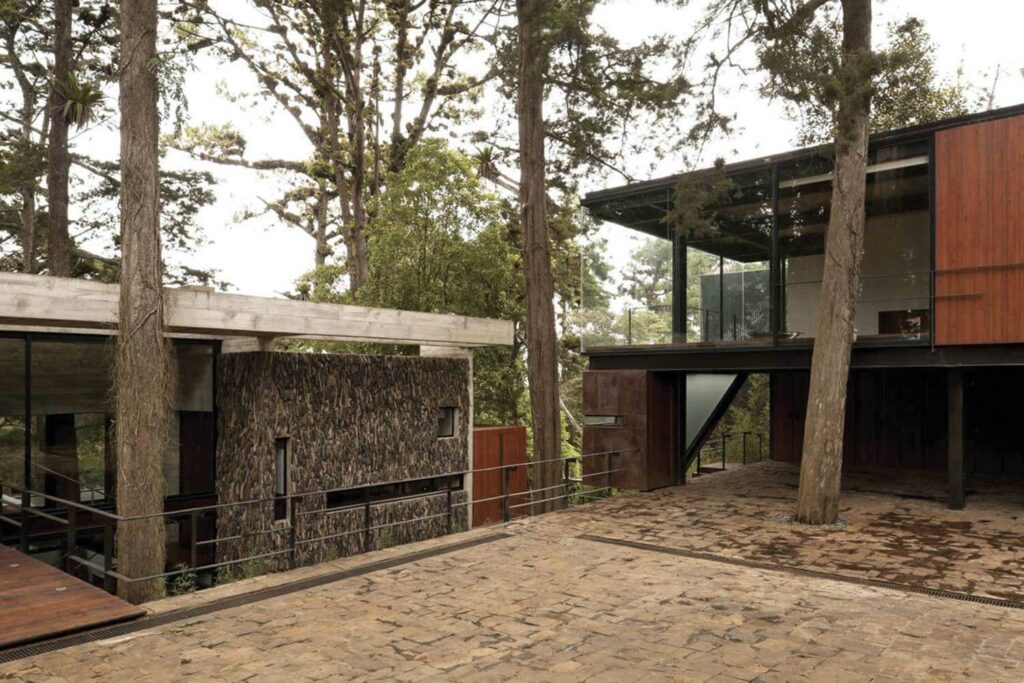
Casa Corallo, designed by Paz Arquitectura, integrates seamlessly with its forest surroundings. Built with reinforced concrete and sustainable wood, it is designed to withstand heavy rainfall and temperature fluctuations.
The structure’s large openings and ventilation systems reduce the need for artificial cooling, while its elevated foundation protects against soil erosion. This home demonstrates how modern architecture can coexist with and adapt to natural environments.
3. The Greenhouse Project – Melbourne, Australia
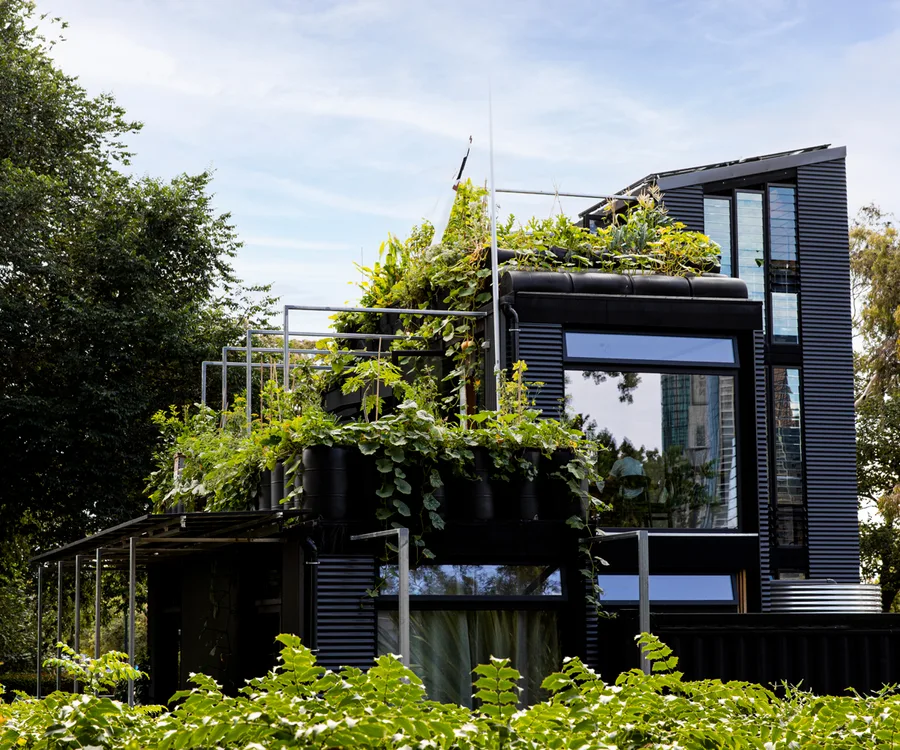
Australia’s Greenhouse Project focuses on net-zero and climate-resilient housing. These homes feature thick insulation, green roofs, and double-glazed windows to reduce heat gain.
Solar power and water recycling systems ensure sustainable living during extreme weather. Each unit is designed to remain energy-positive, even during extended power interruptions caused by heatwaves or storms.
4. The ReGen Villages – Netherlands
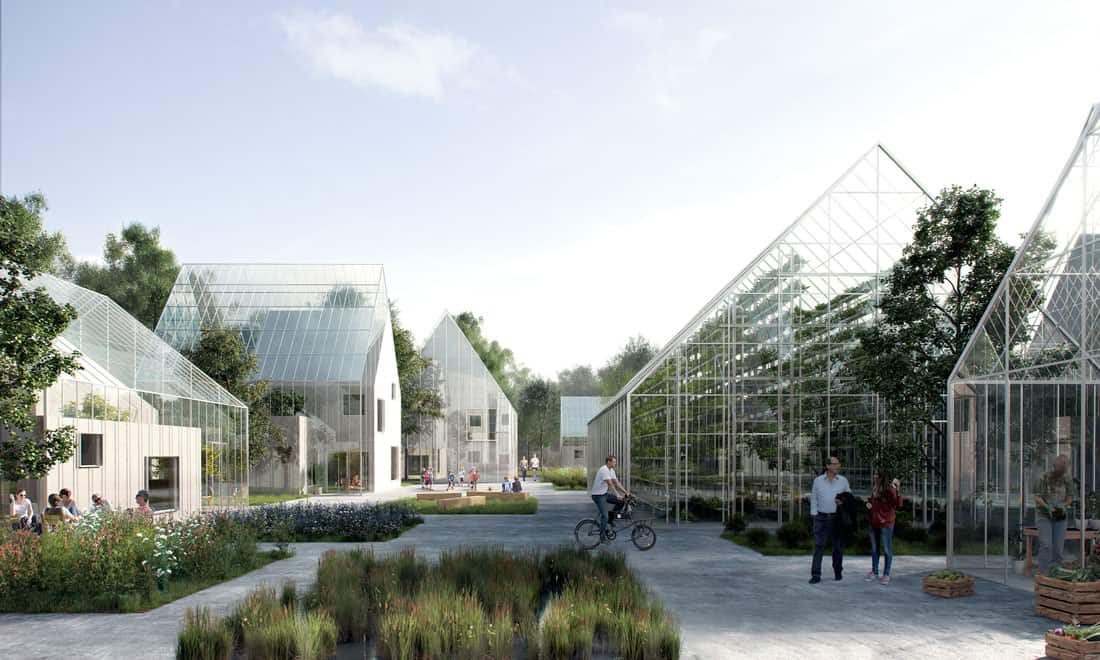
The ReGen Villages are planned eco-communities that combine self-sustaining food, water, and energy systems. Each home integrates renewable energy, greywater recycling, and smart farming technologies.
The model represents the future of resilience-where homes not only protect residents from climate change but also contribute to local food and energy security.
5. Tsunami House – Washington, USA
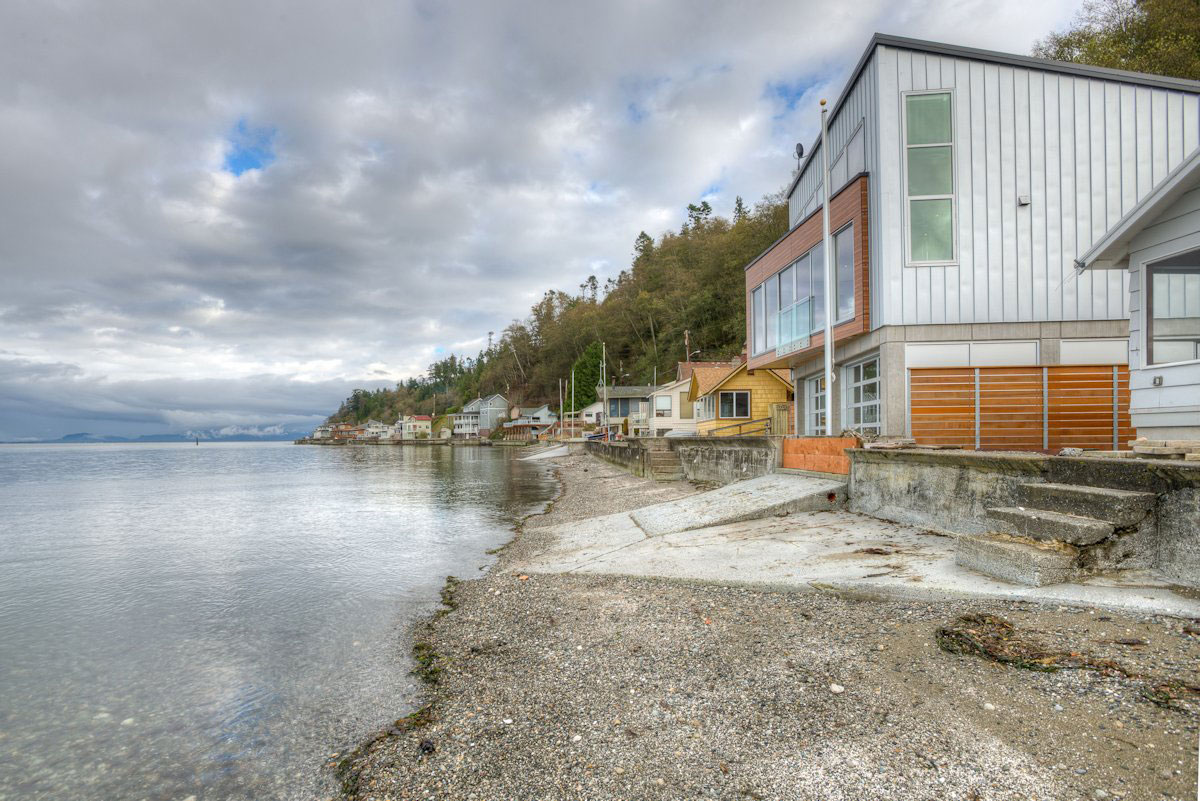
Designed by Designs Northwest Architects, the Tsunami House stands on reinforced concrete columns to allow water to flow underneath during storm surges. The ground level is designed as a “sacrificial” space that minimizes damage from flooding, while the upper levels remain habitable and safe.
The home’s energy-efficient design and robust structure make it a benchmark for coastal resilience architecture.
Benefits of Climate Resilient Homes
Long-Term Durability and Cost Efficiency
Resilient homes require higher upfront investment, but they deliver long-term savings by reducing energy costs, maintenance, and disaster repair expenses. For instance, homes with flood-resistant foundations or insulated walls remain functional and safe after extreme events, minimizing insurance and recovery costs.
Durable materials also extend the lifespan of the building, ensuring that it serves multiple generations without frequent renovation or reconstruction.
Enhanced Comfort and Safety
Climate-resilient homes maintain stable indoor temperatures and air quality, even under extreme outdoor conditions. Advanced ventilation and insulation systems reduce heat stress, improve air circulation, and create healthier living environments.
Safety is also improved through features like reinforced walls, smart alarms, and elevated designs, which reduce risks from floods, wildfires, and high winds.
Environmental Sustainability
Resilient housing contributes directly to sustainability goals by minimizing waste, conserving energy, and reducing carbon emissions. Renewable energy systems and water recycling technologies ensure that these homes have a low ecological footprint while supporting community resilience.
Real-World Use Cases and Problem Solving
Addressing Flood-Prone Regions
In areas vulnerable to flooding, elevated or amphibious homes prevent loss of property and life. Designs like the Float House show how innovation can transform disaster-prone areas into safe living environments without compromising comfort or aesthetics.
Combating Heatwaves and Energy Scarcity
Regions facing extreme heat benefit from passive cooling architecture, solar shading, and efficient insulation. These solutions reduce dependency on air conditioning, lowering both energy bills and emissions.
Wildfire Resistance and Drought Adaptation
Homes in fire-prone regions use non-combustible materials like metal roofs and fire-retardant cladding. Water-efficient landscaping and greywater recycling systems also help communities adapt to prolonged droughts.
These strategies illustrate that resilience is not only about surviving disasters-it’s about thriving sustainably in changing environments.
The Future of Climate Resilient Housing
The future of climate-resilient housing will merge technology, design innovation, and community integration. Smart homes of the future will use AI-driven climate prediction, adaptive building envelopes, and 3D-printed components made from recycled materials.
Modular housing concepts will enable quick, scalable construction in areas affected by natural disasters, offering immediate shelter while maintaining sustainability. Urban planners will also prioritize “climate-positive” developments that actively restore local ecosystems through reforestation and water retention strategies.
The next generation of resilient homes will not only protect people but also regenerate the environment-setting a new standard for responsible, future-ready living.
Frequently Asked Questions
Q1. What makes a home climate resilient?
A climate resilient home is designed to withstand and recover from extreme weather events such as floods, hurricanes, wildfires, and heatwaves. It integrates strong materials, smart technologies, and sustainable systems to ensure safety, efficiency, and long-term durability.
Q2. Are climate resilient homes expensive to build?
While the initial investment is higher, resilient homes save money in the long term by reducing energy bills, maintenance costs, and damage repair expenses after extreme weather events.
Q3. Can existing homes be upgraded to become more climate resilient?
Yes. Retrofitting existing homes with energy-efficient insulation, solar panels, flood barriers, and smart monitoring systems can significantly improve resilience and sustainability without requiring full reconstruction.