Flood Proof Property Design Building Resilient Homes for a Changing Climate
As climate change intensifies, the frequency and severity of flooding events have increased worldwide. Flood proof property design has emerged as a crucial aspect of modern architecture, helping homeowners and urban planners mitigate damage and ensure long-term safety. This design philosophy combines engineering, materials science, and environmental planning to create buildings that can withstand or adapt to flood conditions.
The core principle behind flood proof property design is resilience-constructing structures that can resist, recover from, or coexist with water intrusion. These designs are not limited to coastal or riverfront properties; they are increasingly relevant in suburban and even urban areas facing sudden flash floods. From elevated foundations to water-resistant materials, each design element plays a role in ensuring homes remain safe and functional during extreme weather.
Key Principles of Flood Resistant Architecture
Effective flood proof design involves a balance of structural, mechanical, and landscape solutions. Among the most common approaches are elevation, water diversion, and dry or wet floodproofing methods.
Elevating the main living spaces above predicted flood levels is one of the most reliable methods. This can be achieved using stilts, raised foundations, or reinforced concrete slabs. Water diversion systems such as levees, floodwalls, and proper drainage planning prevent floodwaters from reaching structures. Wet floodproofing, on the other hand, allows certain areas of the home-like basements or garages-to safely flood while minimizing damage through the use of water-resistant materials.
Modern flood proof design also emphasizes adaptability. Architects increasingly design homes that can be easily modified or relocated, ensuring long-term sustainability in changing flood zones.
The Role of Technology in Flood Proof Property Design
Technological innovation has transformed how architects and engineers approach flood resilience. Smart technologies and advanced materials now allow for predictive and responsive flood management.
Smart sensors integrated into flood-prone homes can monitor groundwater levels and trigger early warning systems. Real-time data from weather networks and IoT-based flood detectors enable homeowners to take action before flooding begins. Additionally, automated sump pumps and smart drainage systems can operate autonomously during heavy rainfall, significantly reducing water accumulation.
Another major advancement lies in material technology. Modern polymers, waterproof concrete, and composite materials are designed to resist prolonged exposure to moisture. These innovations prevent structural degradation, mold growth, and electrical failures.
Real-World Examples of Flood Proof Property Design
1. Amphibious House – United Kingdom
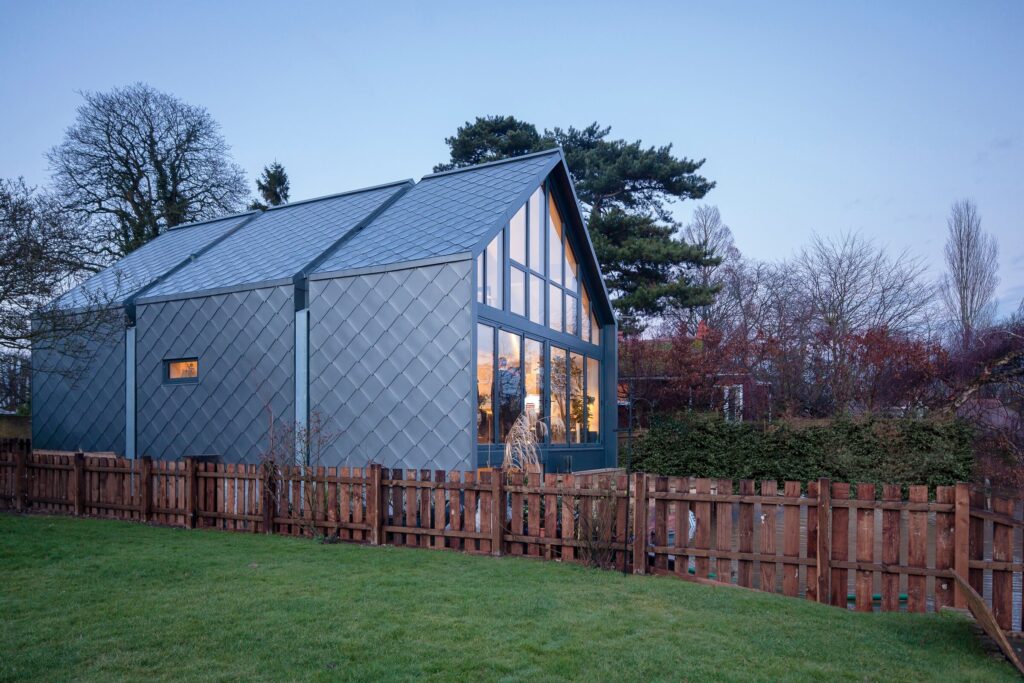
Located along the River Thames, the Amphibious House designed by Baca Architects, exemplifies adaptable flood proof architecture. The home rests on a fixed foundation under normal conditions but can rise to 2.7 meters during floods thanks to a buoyant base. This innovative design allows the structure to float temporarily without damage, returning to its original position once water levels recede.
This project demonstrates how hydraulic design and engineering can merge to create dynamic resilience. It offers a model for future riverside developments in flood-risk zones.
2. The FLOAT House – New Orleans, USA

Developed by Morphosis Architects in collaboration with Make It Right Foundation, the FLOAT House was built after Hurricane Katrina to provide affordable, flood-resistant housing. The modular design uses a chassis that can lift the structure to 12 feet during a flood. The house also incorporates sustainable materials and renewable energy systems, making it both eco-friendly and disaster-resilient.
The FLOAT House is a strong example of how design innovation can provide safety, affordability, and environmental stewardship simultaneously.
3. Waterstudio’s Floating Homes – Netherlands
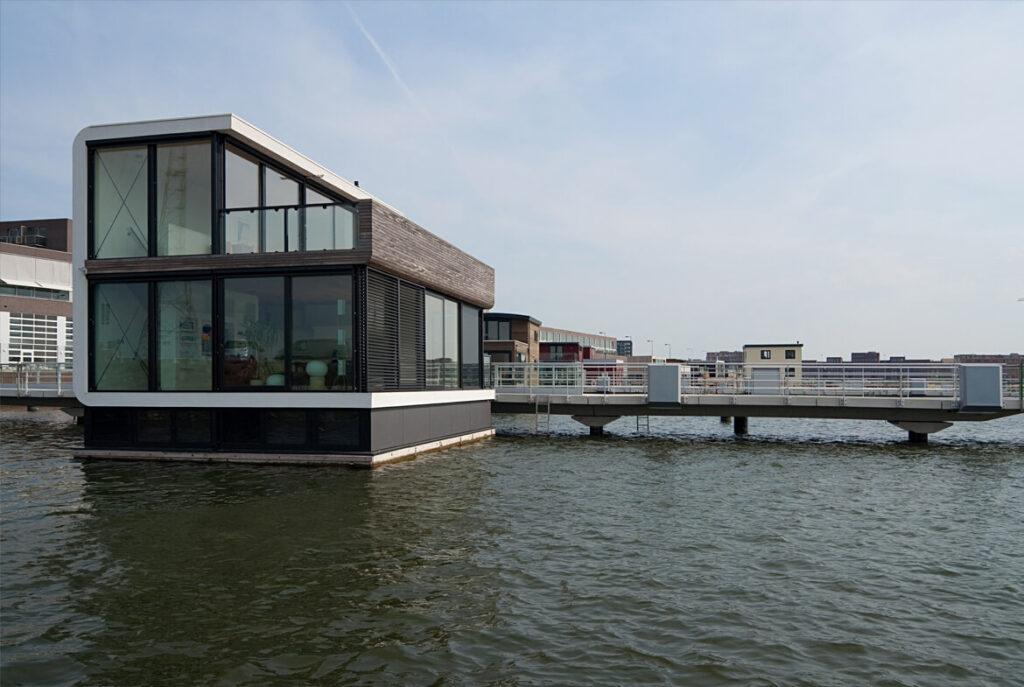
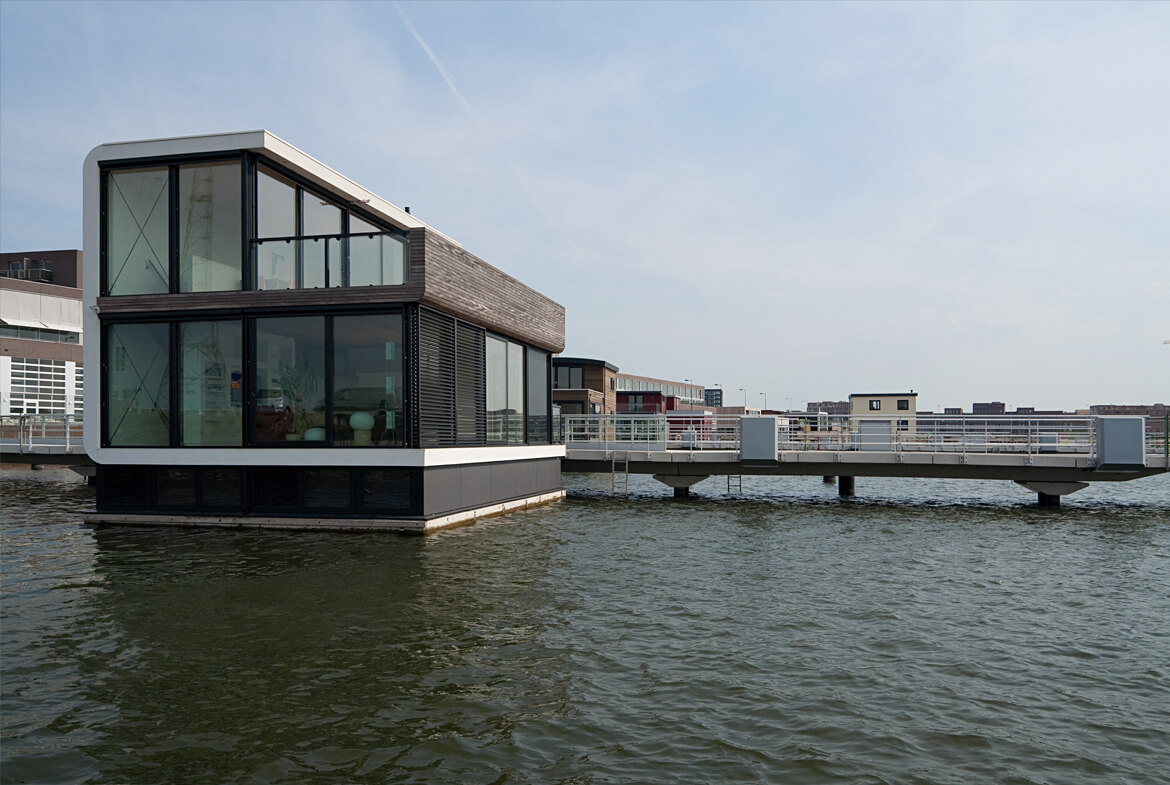
The Netherlands, a country with centuries of flood management experience, is home to Waterstudio, an architectural firm specializing in floating buildings. Their designs, such as the floating homes in IJburg near Amsterdam, are built to rise and fall with the water level, eliminating the risk of flood damage.
These homes not only provide a functional response to climate challenges but also introduce a new aesthetic of waterfront living-merging sustainability, safety, and comfort.
4. Elevated Residences in Jakarta, Indonesia
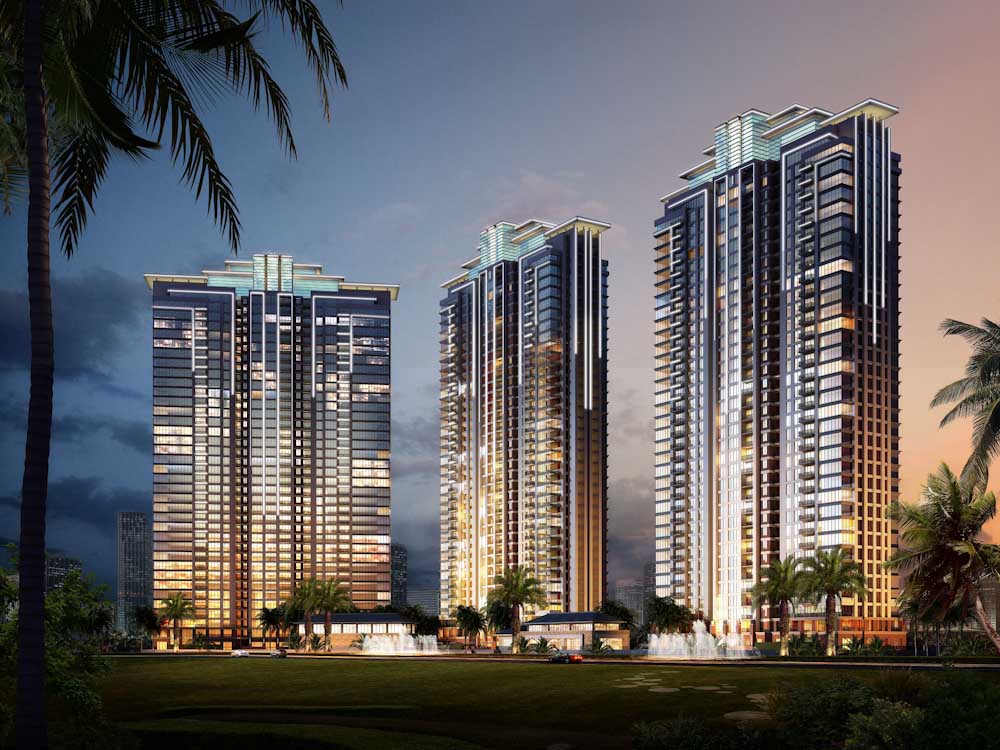
In flood-prone Jakarta, many new residential projects now feature elevated foundations and drainage systems that account for monsoon flooding. Developers have adopted hybrid models, combining traditional stilt-based architecture with modern reinforced concrete designs. These solutions aim to protect essential living spaces while maintaining affordability and accessibility.
This evolution in design shows how developing countries can integrate traditional knowledge with modern engineering to address recurring flood risks.
Benefits of Flood Proof Property Design
Flood proof design offers multiple layers of benefits, both tangible and long-term.
Firstly, it significantly reduces property damage and repair costs. Homes designed with flood resilience in mind are less likely to suffer structural or electrical failures during severe weather events. This durability translates into lower insurance premiums and higher property values.
Secondly, flood proof design enhances safety and livability. Families can remain in their homes longer and recover faster after disasters. These properties also contribute to community resilience by reducing the strain on emergency response systems.
From an environmental perspective, flood-resistant homes encourage sustainable urban development. By managing water flow effectively, these designs prevent soil erosion, reduce pollution runoff, and promote better stormwater management.
Use Cases: Where Flood Proof Design Makes the Difference
Flood proof property design proves essential in diverse real-world contexts.
In coastal regions, rising sea levels and storm surges pose an ongoing threat to housing. Elevated and floating home designs ensure communities can continue living near waterways without sacrificing safety.
In urban areas, rapid development often overwhelms drainage systems, leading to flash floods. Smart drainage infrastructure integrated with modern property design can mitigate these effects, protecting both private and public spaces.
For rural and agricultural communities, floodproofing ensures economic continuity. Farms and homes built with water-resistant materials can recover faster, reducing the long-term impact of seasonal floods.
The Future of Flood Resilient Housing
The future of flood resilient housing lies in integrating climate data, smart technology, and community planning. Predictive flood modeling, real-time monitoring systems, and adaptive architecture are shaping the next generation of climate-resilient properties.
Cities are beginning to enforce stricter floodproofing codes and encourage sustainable building practices. In the coming decades, homes will likely feature modular and amphibious elements, combining functionality with environmental awareness.
Investing in flood resilient design today not only protects property but ensures the sustainability of entire communities.
Frequently Asked Questions
Q1. What is the difference between dry and wet floodproofing?
Dry floodproofing keeps water out of a building using barriers and sealants, while wet floodproofing allows controlled flooding in specific areas to reduce structural pressure and damage. Both methods aim to minimize overall loss during flood events.
Q2. Are flood proof homes more expensive to build?
Initially, yes-but they offer significant long-term savings. Reduced damage, lower insurance costs, and enhanced property value make floodproof homes cost-effective over time.
Q3. Can existing homes be modified to become flood-resistant?
Absolutely. Retrofitting techniques such as elevating electrical systems, sealing foundations, installing sump pumps, and improving drainage can make existing homes more resilient to flooding.