Building Hurricane-Proof Homes Design, Materials, and Technology for Resilient Living
In the face of increasing climate volatility, building hurricane-proof homes has become a priority for coastal and storm-prone regions. As hurricanes grow stronger due to rising ocean temperatures, traditional construction methods often fail to protect homes and residents from extreme winds, flooding, and debris impact. Hurricane-resistant design, however, integrates materials, technologies, and architectural techniques that dramatically reduce structural vulnerability.
A hurricane-proof home isn’t just a stronger version of a traditional house. It’s a structure engineered to resist powerful winds exceeding 150 mph, withstand flying debris, and endure storm surges without collapsing. These homes combine aerodynamic design, reinforced materials, and smart engineering principles to ensure durability and safety during catastrophic weather events.
Building resilient homes doesn’t just save lives-it preserves communities, reduces post-disaster recovery costs, and ensures long-term sustainability.
Key Principles of Hurricane-Resistant Home Design
Designing a home that can withstand hurricanes requires understanding how storms interact with structures. The primary goal is to minimize the forces that act upon a building during high winds and flooding.
One of the most critical principles is aerodynamic shape. Homes with rounded or hipped roofs and minimal overhangs can better deflect wind pressure. Reinforced roofs anchored to load-bearing walls prevent the phenomenon where strong winds lift roofs off structures.
Additionally, elevated foundations are essential in flood-prone areas. By raising the home above projected flood levels using reinforced concrete piers or stilts, builders can protect the structure from storm surges and coastal flooding.
Every aspect, from windows to roofing materials, is designed to work together as a cohesive, high-strength system that protects the building envelope during hurricane conditions.
Advanced Building Materials for Hurricane-Proof Construction
Modern hurricane-resistant homes depend on a combination of traditional and advanced materials that offer superior durability, flexibility, and water resistance. The following materials have become industry standards for storm-resistant design:
-
Reinforced Concrete: Provides immense compressive strength, making it resistant to both wind and debris impacts.
-
Insulated Concrete Forms (ICFs): Interlocking modular systems filled with reinforced concrete, providing both strength and energy efficiency.
-
Metal Roofing: Steel or aluminum roofing panels resist wind uplift and are often rated for Category 5 hurricane conditions.
-
Impact-Resistant Glass: Multi-layer laminated glass prevents shattering and flying debris penetration.
-
Fiber Cement Siding: Non-combustible and wind-rated, this material offers an aesthetic and durable exterior finish.
These materials, when combined with proper architectural design, form the foundation for resilient coastal housing.
Role of Technology in Building Hurricane-Proof Homes
The integration of modern technology has redefined how architects and engineers approach hurricane-resistant housing. Advanced modeling and simulation tools enable designers to predict how a structure will perform under hurricane-level conditions before construction even begins.
Computational Fluid Dynamics (CFD) software is now widely used to analyze wind flow around buildings, optimizing the structure’s shape to minimize drag and uplift. Similarly, structural health monitoring systems use embedded sensors in concrete or steel to track stress, moisture levels, and vibrations, providing real-time insights into a building’s condition during storms.
Another key technological innovation is the development of smart storm shutters and sensors that automatically close or reinforce openings when severe weather is detected. Combined with Internet of Things (IoT) integration, these systems enhance protection without requiring manual intervention.
Through the use of technology, modern homes can now adapt, respond, and even self-diagnose structural vulnerabilities before disaster strikes.
Real-World Examples of Hurricane-Proof Homes and Technologies
1. The Deltec Homes Model – Aerodynamic and Wind-Resistant Design
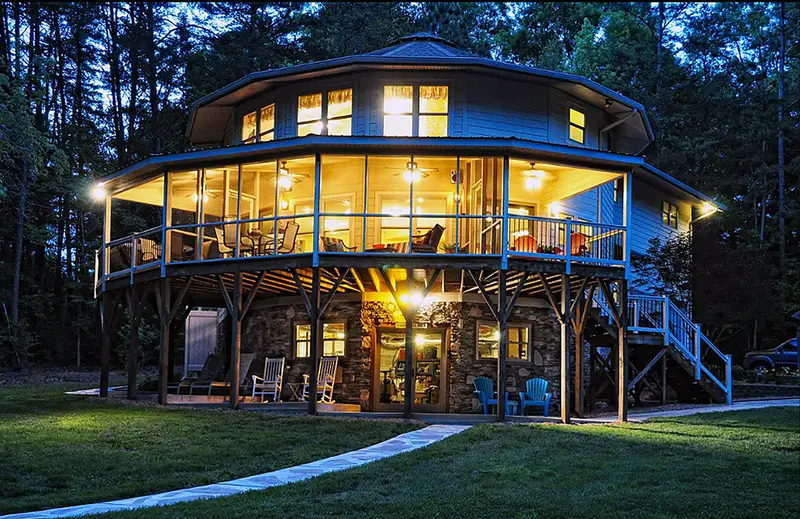
Deltec Homes, based in North Carolina, is a pioneer in hurricane-resistant architecture. Their signature round homes feature a circular aerodynamic design that allows wind to flow smoothly around the structure, reducing pressure points. The homes are constructed with high-strength framing and reinforced connections, ensuring resistance to Category 5 hurricane winds.
After Hurricane Michael in 2018, several Deltec homes in Florida’s Panhandle remained virtually unscathed, proving the effectiveness of design and material synergy in real-world conditions.
2. The Sand Palace of Mexico Beach, Florida – A Category 5 Survivor
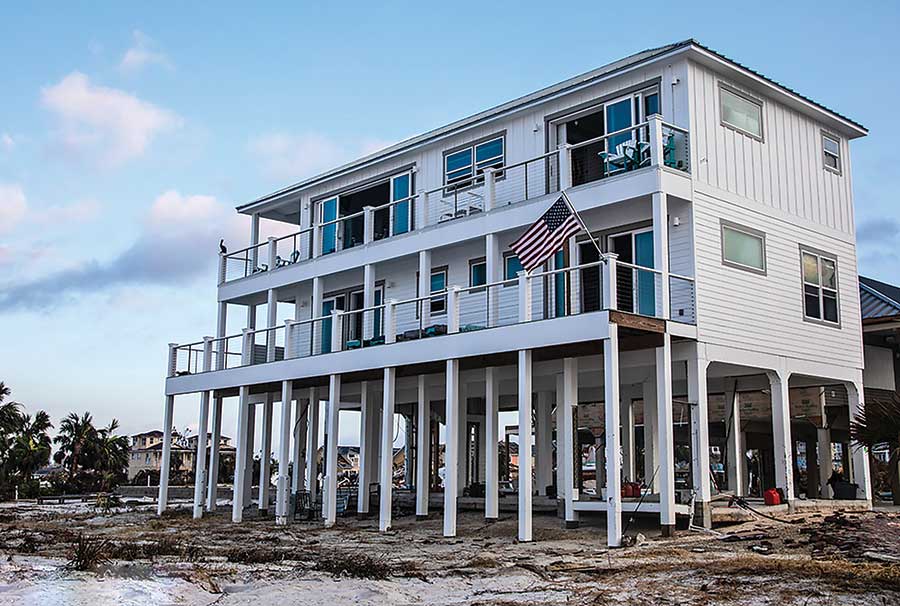
The “Sand Palace” became a global symbol of resilience after surviving Hurricane Michael, when nearly every surrounding home was destroyed. Its durability was credited to reinforced concrete walls, deep-set pilings, and steel cables anchoring the roof. Built to exceed building codes, this home’s engineering focused on minimizing wind entry points and fortifying the building envelope.
Its performance demonstrated how proactive design and robust materials could prevent destruction, even under catastrophic conditions.
3. Elevated ICF Homes in the Florida Keys
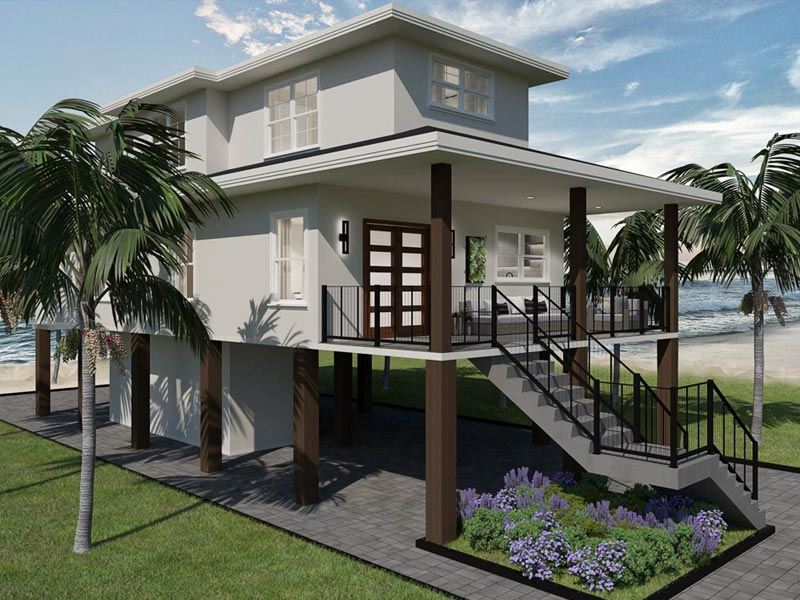
In the Florida Keys, new residential projects are embracing Insulated Concrete Forms (ICF) combined with elevated foundations. These homes are designed to resist both high winds and coastal flooding. ICF provides insulation, strength, and soundproofing, making it ideal for coastal climates.
During Hurricane Irma, many ICF homes remained structurally intact despite being directly in the storm’s path-illustrating the importance of integrated material and elevation strategies.
4. Dome-Shaped Homes – The Ultimate Wind Deflection Design
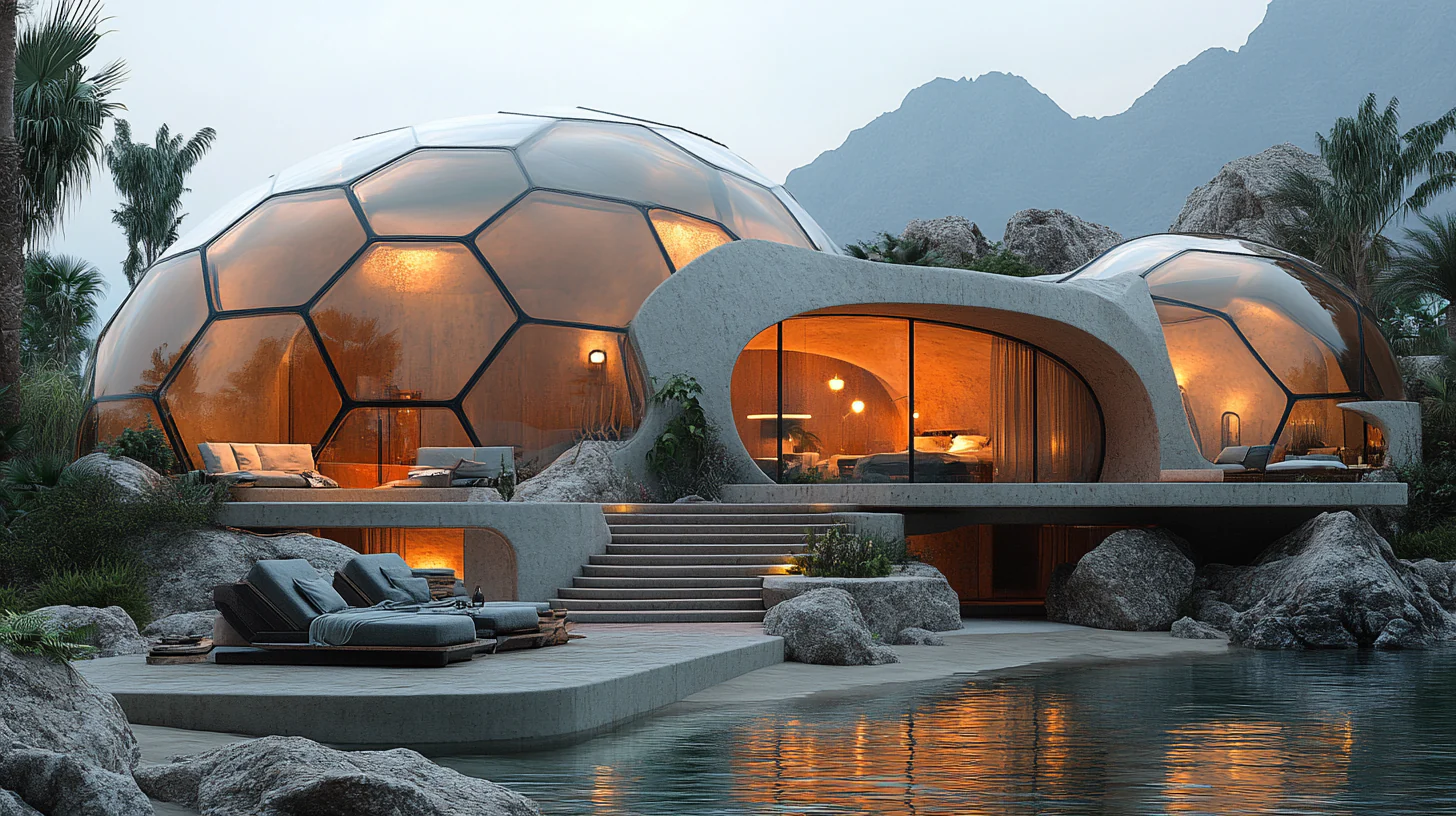
Dome homes, often made from reinforced concrete or geodesic frameworks, have emerged as one of the most wind-resistant housing types. Building Hurricane-Proof Homes. Their curved surface naturally deflects wind from all directions, reducing uplift and pressure.
In Louisiana and the Bahamas, several dome communities have been built as part of climate-resilient housing initiatives, providing both safety and energy efficiency.
Benefits of Building Hurricane-Proof Homes
The advantages of hurricane-resistant housing extend far beyond immediate safety. These homes provide long-term financial, environmental, and community resilience benefits.
Enhanced Safety: The most obvious benefit is the protection of life and property. Structural integrity during a storm significantly reduces casualties and damage.
Reduced Repair Costs: While initial construction costs may be higher, hurricane-proof homes save thousands in repairs and insurance claims over time.
Energy Efficiency: Materials like ICF and insulated roofing not only resist storms but also maintain indoor comfort, reducing heating and cooling costs year-round.
Sustainability: Durable materials reduce waste from reconstruction, lowering environmental impact. Many modern hurricane-proof materials are also recyclable or made from sustainable sources.
Community Resilience: When neighborhoods are built with hurricane-resistant standards, recovery after disasters is faster, infrastructure damage is minimized, and local economies are preserved.
Practical Use Cases: Solving Real Problems Through Resilient Housing
In coastal communities such as the Gulf Coast, Caribbean, and Southeast Asia, hurricane-proof design is more than a preference’s a necessity. Homes that once suffered catastrophic losses are now being rebuilt with materials like concrete and metal to reduce vulnerability.
For example, in Puerto Rico, post-Hurricane Maria reconstruction projects integrated concrete structures, impact-resistant windows, and solar power systems with battery backups. These homes not only resist hurricanes but also ensure energy resilience when power grids fail.
In Florida’s coastal developments, real estate investors are increasingly demanding hurricane-certified materials to meet updated building codes. This shift has transformed construction standards, making resilient design a key factor in long-term property value.
In developing nations, low-cost hurricane-resistant homes are being created using modular systems and prefabricated concrete panels, providing safe housing without excessive cost.
The Future of Hurricane-Proof Housing
As extreme weather events increase globally, the construction industry is moving toward smart, adaptive housing systems. Future hurricane-proof homes may use self-healing concrete, which seals cracks automatically when exposed to moisture, and shape-memory alloys that return to their original form after bending in high winds.
Advanced AI-driven structural simulations are helping architects design homes that adapt to local wind patterns and soil conditions. Meanwhile, renewable energy integration ensures that these homes remain self-sufficient during post-storm power outages.
Government incentives and stricter building codes will likely accelerate the adoption of hurricane-proof construction techniques, turning them from premium features into standard requirements for coastal housing.
Frequently Asked Questions
Q1. What is the best material for building a hurricane-proof home?
Reinforced concrete, ICF (Insulated Concrete Forms), and metal roofing are among the best materials for hurricane-proof construction. These materials provide superior resistance to wind, water, and impact damage.
Q2. Can a wooden home be made hurricane-resistant?
Yes, through strategic reinforcement such as hurricane straps, impact-resistant windows, and wind-rated roofing systems. However, wood alone is not ideal for high-risk coastal areas.
Q3. Are hurricane-proof homes expensive to build?
Initial costs can be 10–20% higher than conventional construction, but long-term savings in repairs, insurance, and energy efficiency make them cost-effective investments.