Passive House Design The Future of Energy-Efficient and Sustainable Architecture
Passive house design is an advanced building concept focused on maximizing energy efficiency and indoor comfort while minimizing environmental impact. Originating in Germany as the “Passivhaus” standard, this design approach emphasizes airtight construction, superior insulation, high-performance windows, and balanced ventilation to reduce energy consumption for heating and cooling by up to 90%.
Unlike traditional buildings that rely heavily on mechanical systems, passive houses are designed to maintain consistent indoor temperatures through natural heat gains and energy recovery systems. This results in minimal utility costs and an exceptionally comfortable living environment.
The Core Principles of Passive House Design
Thermal Insulation
One of the key features of passive house design is exceptional insulation. Walls, roofs, and floors are constructed with high-quality materials that minimize heat transfer. This prevents energy loss during winter and keeps interiors cool during summer.
In cold climates, insulation plays a critical role in reducing heating needs, while in warm regions, it limits the amount of heat entering the building. The result is a stable indoor climate that requires little to no mechanical intervention.
Airtight Construction
Airtightness ensures that conditioned air remains inside the building, and unwanted air leaks are eliminated. This design detail improves both energy performance and indoor air quality. Advanced sealing materials and construction techniques are used to ensure that the building envelope remains nearly impermeable to outside air.
This approach also prevents moisture intrusion, reducing risks of mold, drafts, and structural damage over time.
High-Performance Windows and Doors
Windows are often the weakest link in building efficiency. Passive houses use triple-glazed, low-emissivity windows that retain heat during winter and block excess solar gain during summer. Frames are thermally broken to prevent heat bridging, while strategic placement of windows ensures maximum natural light and passive solar heating.
Heat Recovery Ventilation
Passive house ventilation systems are designed to exchange stale indoor air with fresh outdoor air while recovering up to 90% of the heat from exhaust air. These systems, known as Heat Recovery Ventilators (HRVs) or Energy Recovery Ventilators (ERVs), maintain optimal indoor air quality and consistent temperatures.
This ensures that occupants breathe clean, filtered air without sacrificing energy efficiency.
Passive Solar Design
Passive house architecture strategically uses building orientation, shading, and glazing to harness the sun’s energy. In colder regions, south-facing windows capture sunlight to heat interiors naturally. In warmer climates, shading devices and ventilation prevent overheating.
This balance of design and technology ensures that passive homes can adapt to any environment while maintaining high comfort levels.
Benefits of Passive House Design
Ultra-Low Energy Consumption
Passive houses consume up to 90% less energy for heating and cooling compared to conventional homes. Their reliance on natural and recovered heat reduces utility bills and dependence on fossil fuels.
Consistent Comfort
Thanks to airtightness, insulation, and heat recovery, passive homes maintain stable indoor temperatures year-round. There are no drafts, cold spots, or overheating, ensuring constant comfort in all seasons.
Superior Air Quality
Mechanical ventilation continuously supplies fresh, filtered air while expelling pollutants and allergens. This leads to a healthier living environment, particularly beneficial for individuals with respiratory conditions.
Durability and Long-Term Value
The high-quality materials and precise construction standards used in passive house design enhance durability and reduce maintenance needs. As energy costs rise, these homes retain higher resale value due to their long-term savings and sustainability credentials.
Real-World Examples of Passive House Design
1. The Bahnstadt District, Heidelberg, Germany
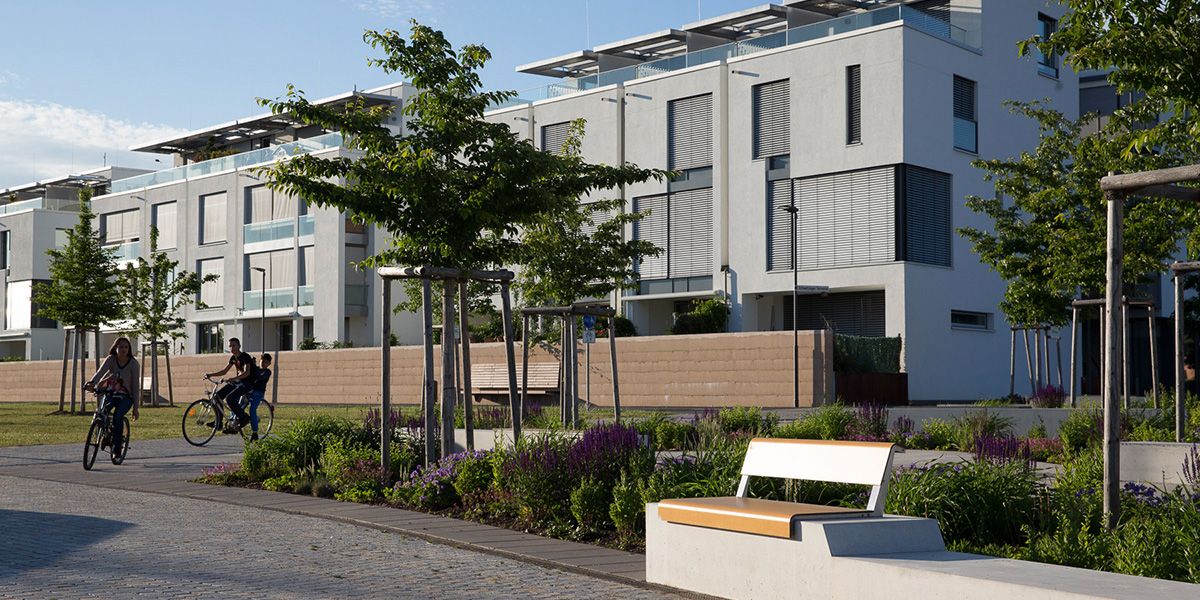
Bahnstadt is one of the world’s largest passive house districts, featuring residential and commercial buildings constructed entirely to the Passivhaus standard. Each building in the district maintains exceptionally low energy demand, with average heating requirements of less than 15 kWh per square meter annually.
The district integrates renewable energy sources, smart urban planning, and sustainable transport infrastructure-demonstrating how passive design principles can be scaled to entire communities.
2. Cornell Tech Passive House, New York City, USA
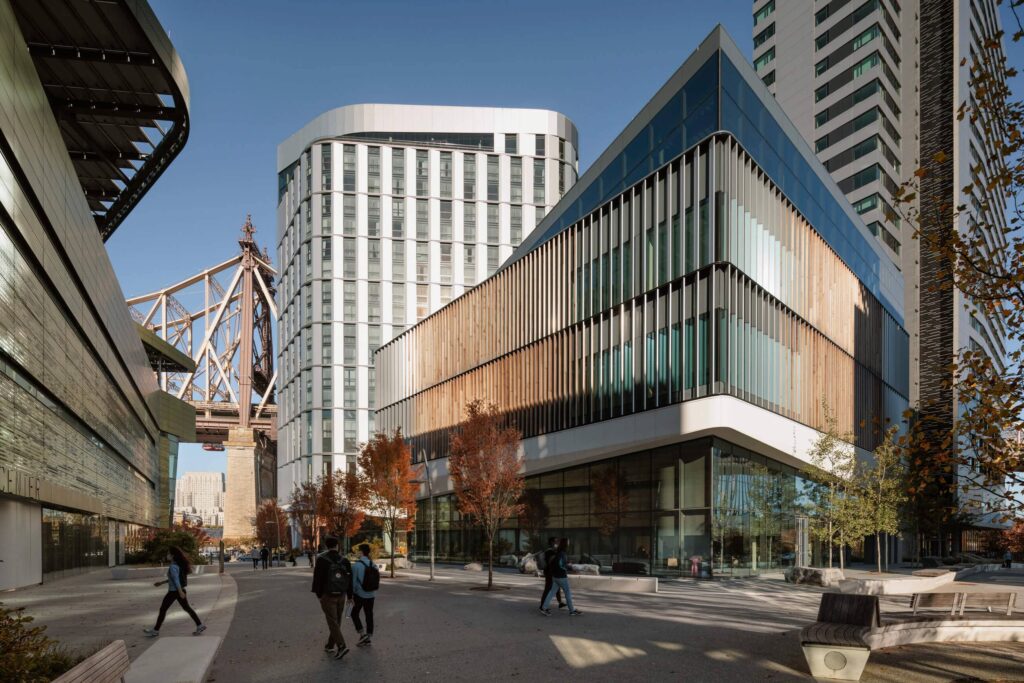
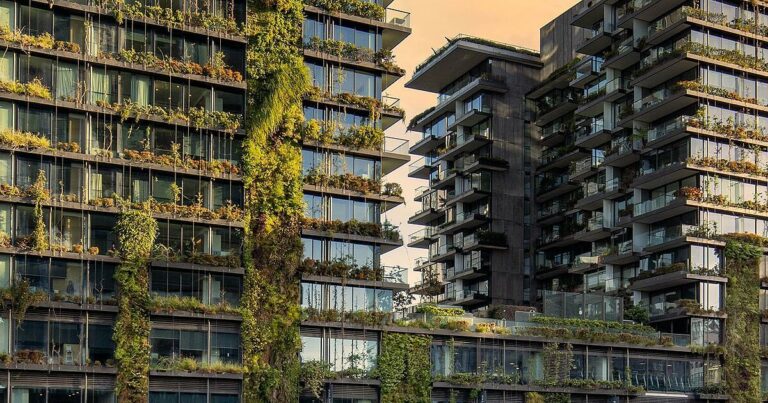
The House at Cornell Tech is the tallest and largest residential passive house in the world. Located on Roosevelt Island, this 26-story building accommodates students and faculty in an ultra-efficient structure that reduces energy use by up to 70%.
The building features high-performance insulation, a triple-glazed façade, and a sophisticated heat recovery system. Despite New York’s challenging climate, the residence maintains comfortable temperatures without conventional heating or cooling systems.
3. Larch Corner, Warwickshire, UK
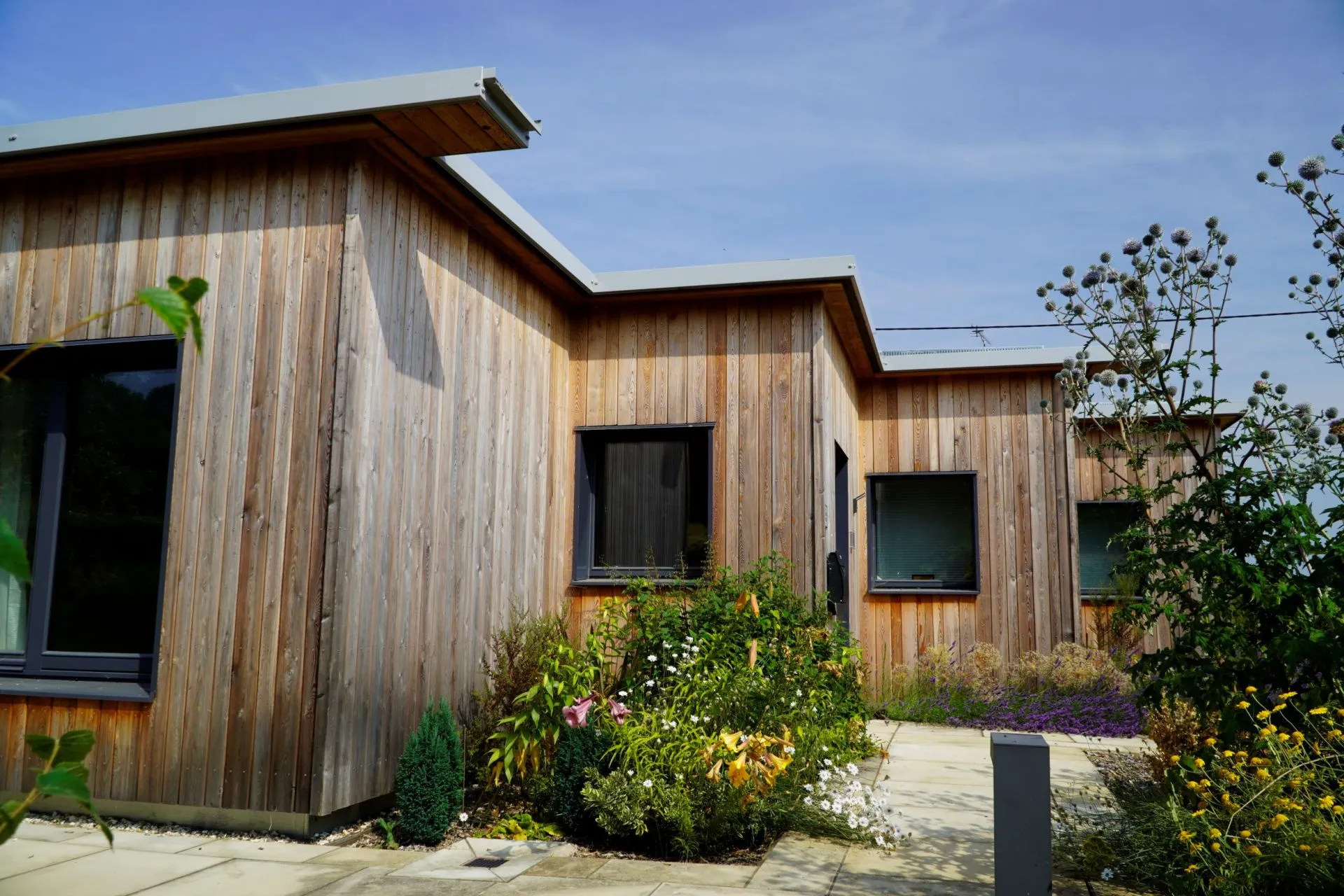
Larch Corner is a single-family home constructed from cross-laminated timber, showcasing how sustainable materials can complement passive house standards. The home uses natural ventilation, solar panels, and triple-glazed windows to achieve net-zero energy consumption.
The property also demonstrates how biophilic design-connecting residents with nature-can coexist with high-performance building techniques, creating a healthy and visually stunning environment.
4. Vancouver Passive House, Canada

Built to withstand Canada’s cold climate, this Vancouver residence uses a combination of airtight construction, heat pumps, and solar orientation to maintain warmth with minimal energy input. Despite freezing outdoor conditions, the home’s interior stays consistently comfortable using heat generated from occupants and appliances.
This project underscores how passive design principles can adapt to extreme climates without compromising comfort or efficiency.
The Role of Technology in Passive House Design
Modern technology enhances the effectiveness and precision of passive house design. Tools like Building Information Modeling (BIM) allow architects to simulate heat flows, energy usage, and ventilation patterns before construction begins.
Smart thermostats and environmental sensors work in tandem with heat recovery systems to maintain ideal indoor conditions automatically. Meanwhile, materials science has advanced to produce ultra-efficient insulation materials such as aerogel and vacuum-insulated panels.
These innovations make passive homes not only energy-efficient but also intelligent, responsive, and sustainable for future generations.
Use Cases and Real-Life Applications
Urban Housing Developments: In dense urban settings, passive house apartment complexes reduce the strain on city energy grids while providing residents with affordable, low-maintenance living spaces.
Rural and Off-Grid Homes: Passive homes are ideal for remote areas where access to utilities is limited. Their low energy requirements and self-sustaining design minimize reliance on external power sources.
Public Buildings and Schools: Many municipalities now apply passive standards to schools and government buildings, ensuring long-term energy savings and healthier environments for occupants.
Climate-Resilient Architecture: In regions facing temperature extremes or unpredictable weather, passive design provides a buffer against rising energy costs and climate variability.
These use cases show that passive house design is not limited to private residences — it can redefine sustainable construction across all sectors.
Future of Passive House Design
The future of passive house design lies in integration with renewable energy and smart city infrastructure. With the rise of net-zero energy targets, passive principles are increasingly becoming standard in new construction worldwide.
Governments are also encouraging builders to adopt these standards through incentives, zoning changes, and building code updates. In the coming decades, passive house design will likely serve as the baseline for sustainable urban planning, combining efficiency with comfort and resilience.
Frequently Asked Questions
Q1. What is the difference between a passive house and a traditional energy-efficient home?
While both focus on reducing energy use, passive houses are built according to strict international standards that minimize energy consumption for heating and cooling. Traditional energy-efficient homes may include efficient systems but often lack the airtightness and insulation levels required for true passive performance.
Q2. Can passive house design be applied to existing buildings?
Yes, existing buildings can undergo “EnerPHit” retrofits-the renovation standard set by the Passive House Institute. This involves upgrading insulation, windows, and ventilation systems to meet passive-level performance where possible.
Q3. Are passive homes comfortable in all climates?
Absolutely. Passive design principles can be adapted to any climate-from cold northern regions to hot, humid areas-by balancing insulation, shading, and ventilation strategies. The result is a consistently comfortable indoor environment regardless of external conditions.