Sustainable Real Estate Investment How Eco-Conscious Properties Are Shaping the Future of Real Estate
Sustainable real estate investment focuses on properties that minimize environmental impact, conserve energy, and promote social responsibility while still delivering long-term financial value. This investment approach integrates sustainability principles-such as energy efficiency, reduced carbon emissions, and responsible resource use-into every stage of property development and management.
Unlike traditional real estate, which primarily values financial returns, sustainable investments balance three key pillars: environmental stewardship, social responsibility, and economic performance. This aligns with the ESG (Environmental, Social, and Governance) framework increasingly adopted by global investors. As climate change and regulatory pressures intensify, sustainable property assets are becoming not only ethical choices but also financially prudent ones.
The Rise of Green Property Investments
Over the past decade, global awareness of sustainability has shifted from niche to mainstream. Institutional investors, private equity firms, and individual buyers alike are prioritizing real estate assets that meet green building standards such as LEED, BREEAM, or WELL certifications. This trend is driven by several factors-rising energy costs, government incentives, and consumer demand for eco-friendly living spaces.
According to the Global Real Estate Sustainability Benchmark (GRESB), more than 80% of leading property funds now integrate ESG criteria into their investment processes. As a result, sustainable assets often outperform conventional buildings, attracting higher rental rates and occupancy levels while maintaining lower operational costs.
Core Principles of Sustainable Real Estate
Environmental Responsibility
Environmental responsibility focuses on reducing a building’s carbon footprint. This includes using renewable energy sources, water-efficient systems, and eco-friendly construction materials. These design choices help mitigate climate impact and align with evolving environmental policies.
Economic Viability
Sustainable real estate is designed for long-term cost efficiency. Buildings that utilize advanced insulation, smart energy systems, and renewable power often lead to significant savings on utilities and maintenance over time.
Social Impact
Beyond environmental metrics, sustainable real estate considers community well-being. Developers and investors increasingly focus on creating healthy, inclusive spaces-improving air quality, access to green areas, and overall livability for residents.
Benefits of Sustainable Real Estate Investment
Long-Term Financial Stability
Eco-friendly buildings typically have lower operating costs due to improved energy efficiency and reduced maintenance expenses. Over time, these factors enhance net operating income and asset value, making sustainability a driver of profitability.
Increased Market Demand
Modern tenants and buyers are actively seeking sustainable living spaces. Green certifications often serve as a mark of quality, attracting higher occupancy rates and premium pricing compared to non-certified buildings.
Government Incentives and Compliance
Governments across North America, Europe, and Asia are introducing policies to encourage sustainable construction. Investors can benefit from tax incentives, rebates, and easier permitting for projects that meet green standards.
Risk Mitigation
Sustainable properties are less exposed to regulatory changes, environmental liabilities, and energy market volatility. This makes them more resilient to future economic and environmental disruptions.
Real-World Examples of Sustainable Real Estate Projects
1. The Edge, Amsterdam
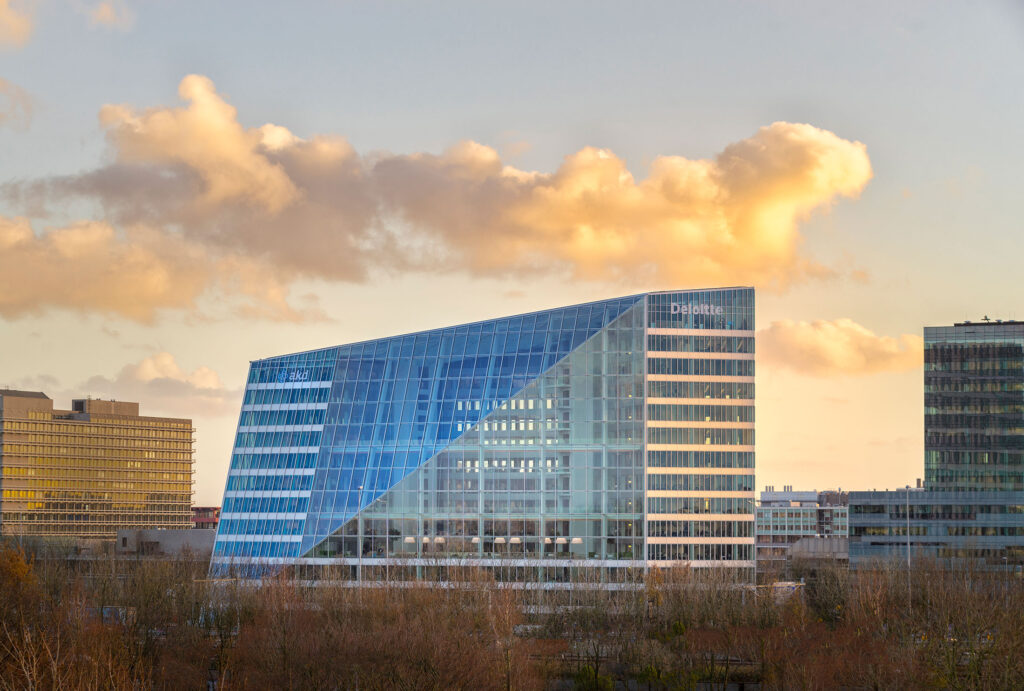
The Edge is often recognized as one of the world’s most sustainable office buildings. Developed by OVG Real Estate, this property achieved a record-breaking BREEAM score of 98.4%. It uses solar energy, rainwater harvesting, and smart lighting systems that adjust based on occupancy. The Edge demonstrates how sustainability and cutting-edge technology can coexist in a large-scale commercial development.
2. Bosco Verticale, Milan
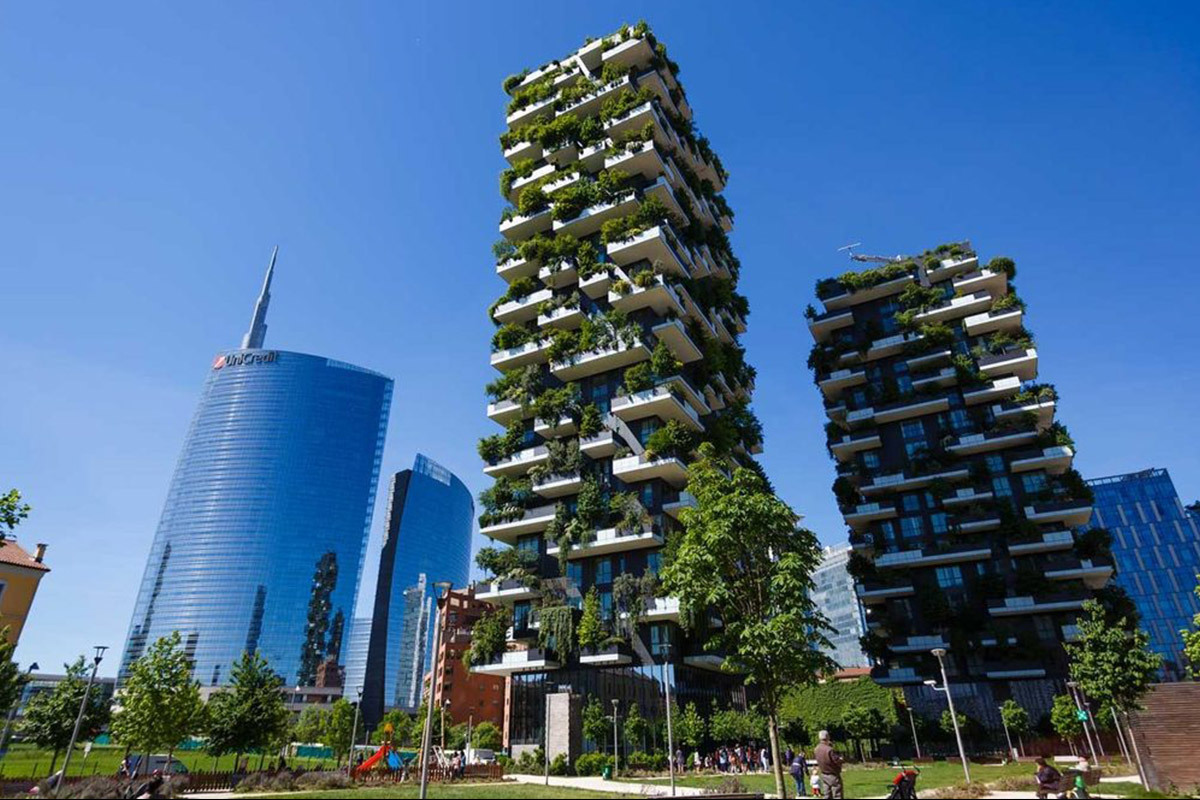
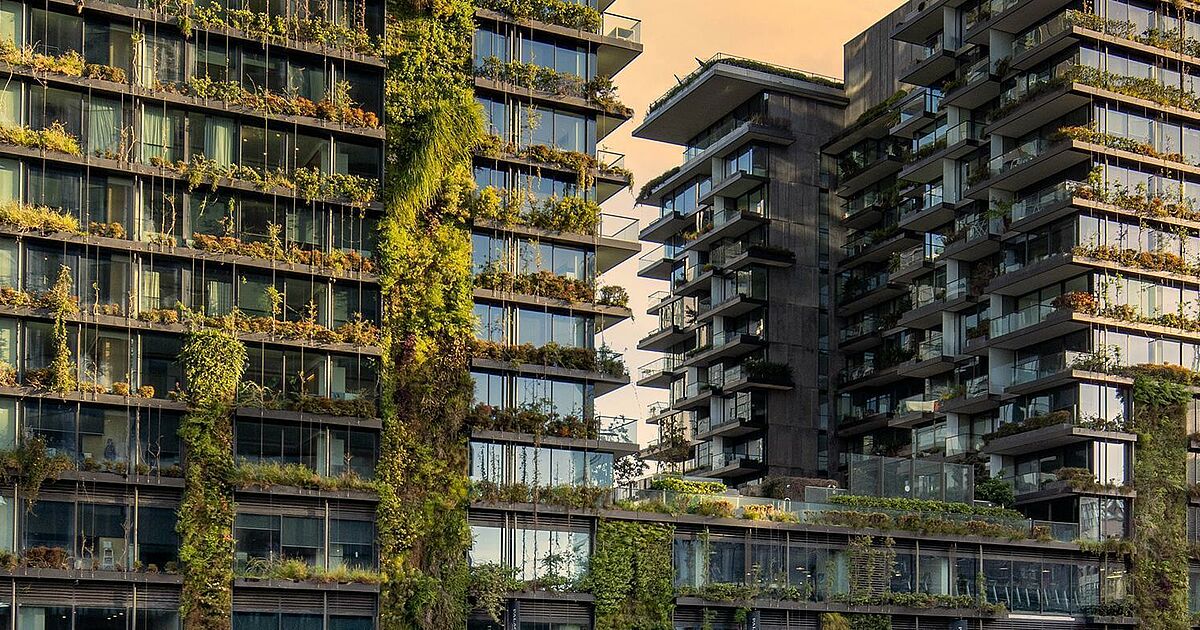
Bosco Verticale, or “Vertical Forest,” is a residential tower that integrates over 900 trees and thousands of shrubs on its façade. Designed by architect Stefano Boeri, this innovative structure reduces urban heat, absorbs CO₂, and improves air quality. It’s an example of how sustainable architecture can transform city skylines and enhance urban biodiversity.
3. Bullitt Center, Seattle
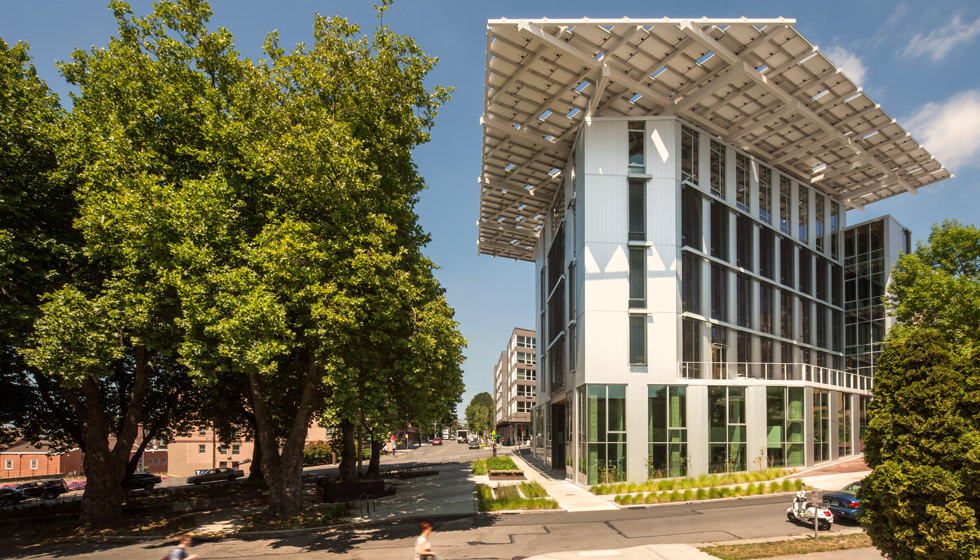
Known as the “greenest commercial building in the world,” the Bullitt Center operates entirely off the grid. It uses solar panels for energy, composting toilets, and a rainwater-to-potable water system. This project proves that net-zero buildings are both achievable and commercially viable in urban settings.
4. One Central Park, Sydney
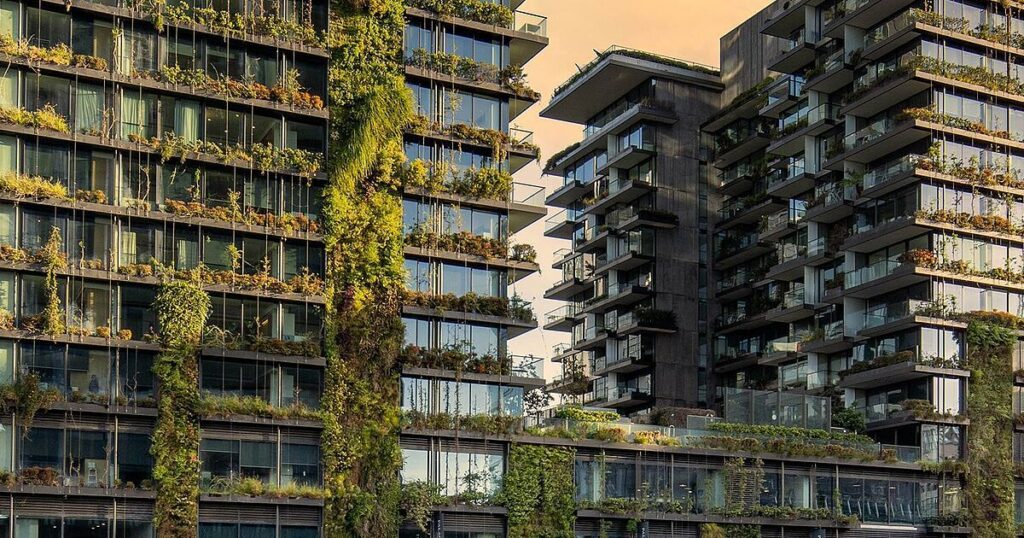
One Central Park combines energy-efficient technologies with green design elements. Its vertical gardens and reflective panels help regulate temperature and natural lighting, significantly reducing the building’s carbon emissions. The development’s success shows how environmental design can also enhance aesthetic appeal and livability.
5. Masdar City, Abu Dhabi
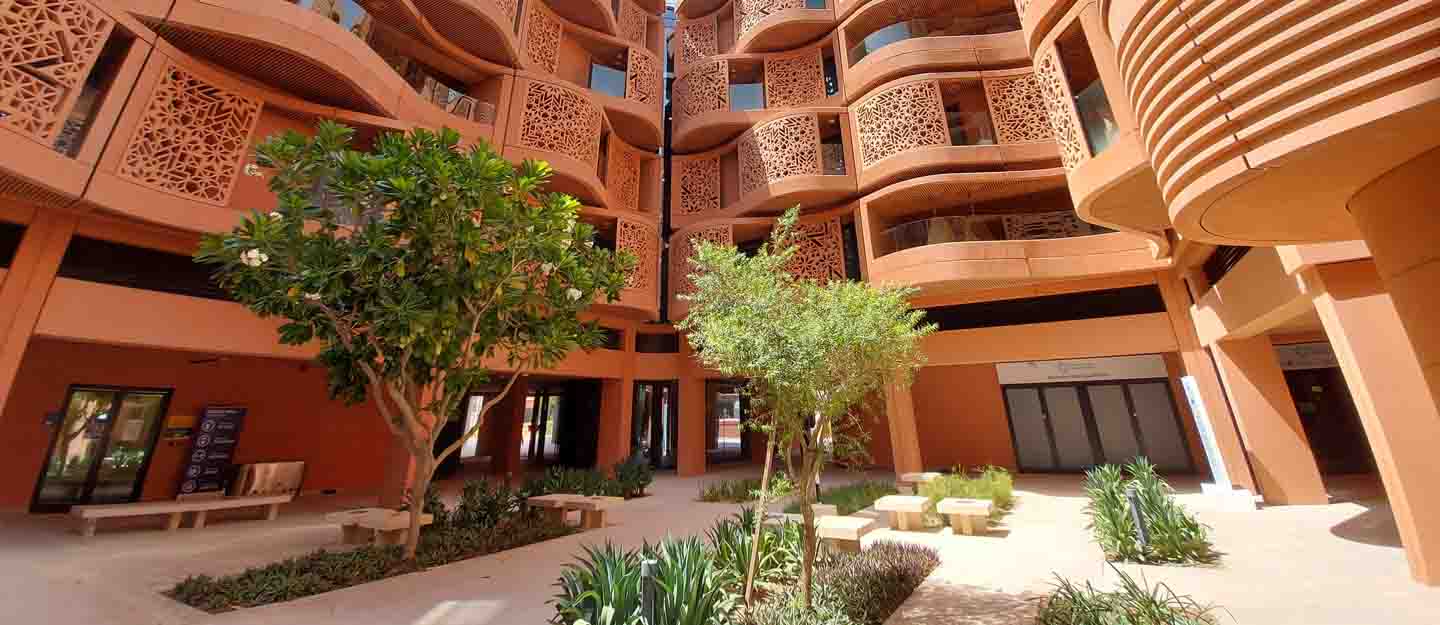
Masdar City is a large-scale urban sustainability initiative powered entirely by renewable energy. It serves as a testbed for sustainable technologies and eco-conscious infrastructure, attracting international investors seeking long-term environmental impact.
Technology Driving Sustainable Real Estate
Smart Building Systems
Smart thermostats, IoT sensors, and automation platforms help monitor and optimize energy consumption in real-time. These technologies reduce waste and ensure that buildings operate efficiently without compromising comfort.
Renewable Energy Integration
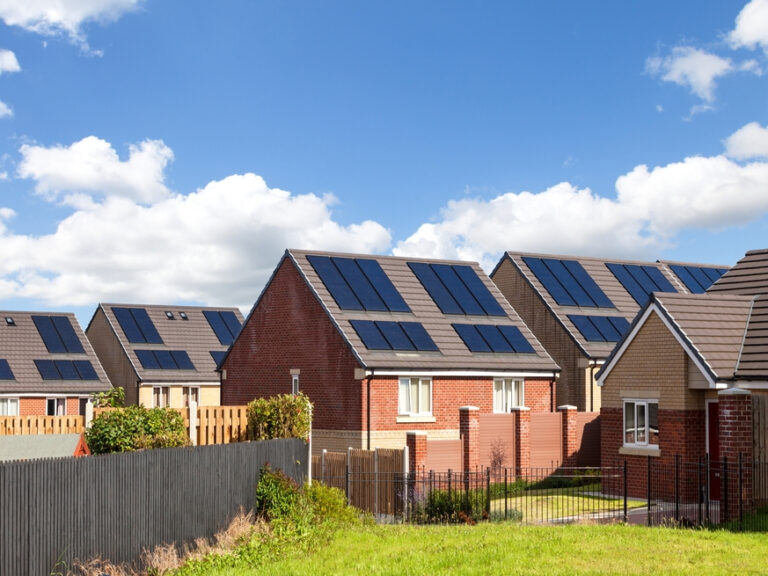
Solar panels, wind turbines, and geothermal systems are increasingly integrated into sustainable developments. They provide on-site energy generation, reducing reliance on fossil fuels and lowering long-term operational costs.
Sustainable Construction Materials
The use of low-carbon concrete, recycled steel, and bamboo has transformed how properties are built. These materials offer high durability and environmental benefits, supporting both aesthetic and ecological goals.
Use Cases: How Sustainable Real Estate Solves Modern Challenges
Reducing Carbon Emissions
The building sector contributes nearly 40% of global CO₂ emissions. Sustainable real estate directly addresses this challenge by minimizing energy waste, using renewable resources, and promoting circular construction practices.
Enhancing Energy Resilience
In regions prone to energy shortages, green buildings equipped with solar or wind systems can maintain autonomy and reliability. This independence ensures operational continuity even during power grid disruptions.
Increasing Investor Confidence
As ESG metrics become central to financial markets, sustainable real estate aligns with responsible investing goals. Properties that meet sustainability benchmarks attract institutional capital and socially responsible investors.
Supporting Health and Well-being
Indoor air quality, thermal comfort, and natural lighting are prioritized in sustainable designs. These features enhance occupant health and productivity, improving the overall desirability of such properties.
The Future of Sustainable Real Estate Investment
The global real estate industry is undergoing a structural transformation toward sustainability. By 2030, experts predict that the majority of newly developed buildings will meet some form of green certification. Investors who align early with this transition will gain both competitive advantage and long-term resilience.
Emerging markets are also joining the movement, with cities like Singapore, Toronto, and Stockholm leading in green real estate initiatives. As urbanization accelerates, the intersection of technology, sustainability, and investment strategy will define the next generation of real estate portfolios.
Frequently Asked Questions (FAQ)
Q1. What qualifies a property as a sustainable real estate investment?
A sustainable real estate investment is one that integrates environmental efficiency, social responsibility, and sound governance practices. This includes using energy-efficient systems, eco-friendly materials, and ensuring long-term community benefits.
Q2. Are sustainable properties more expensive to build?
Initial construction costs for sustainable properties can be higher due to advanced materials and technology. However, they often result in lower long-term operational costs, making them more cost-effective over time.
Q3. How do investors measure sustainability performance in real estate?
Investors use frameworks like GRESB, LEED certification, and ESG performance reports to assess a property’s sustainability level. These benchmarks evaluate environmental impact, energy efficiency, and governance standards.