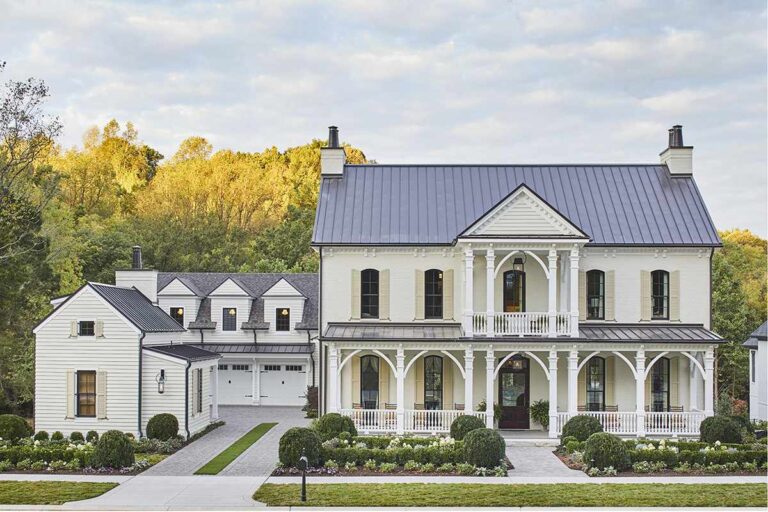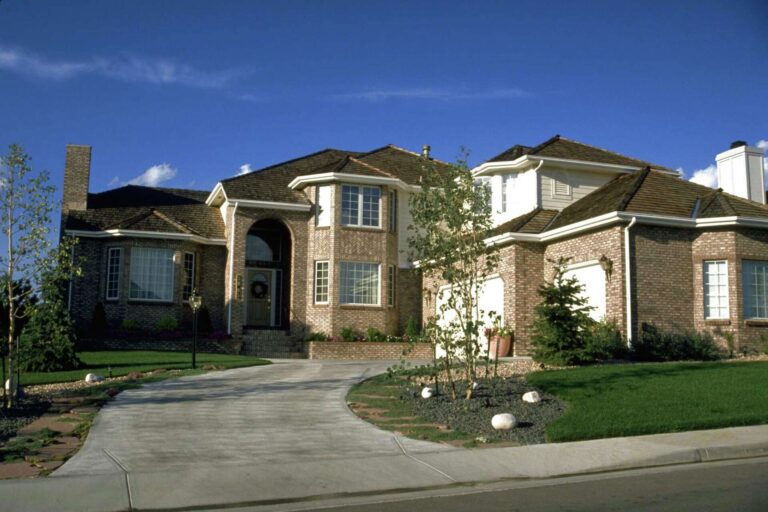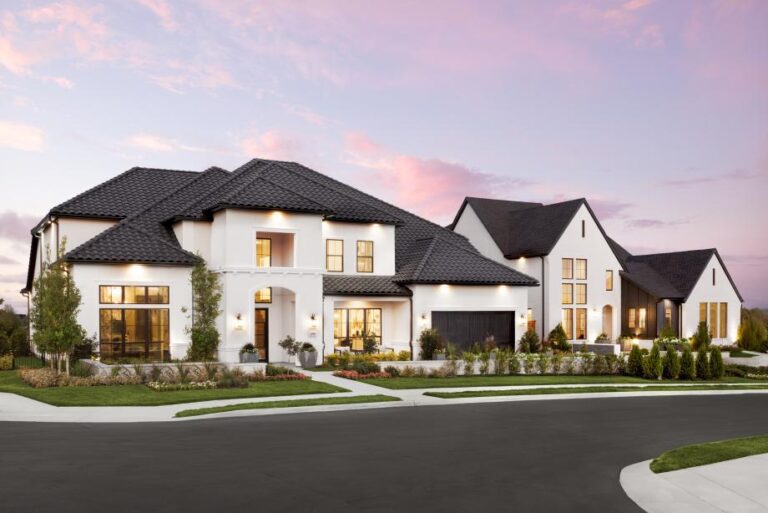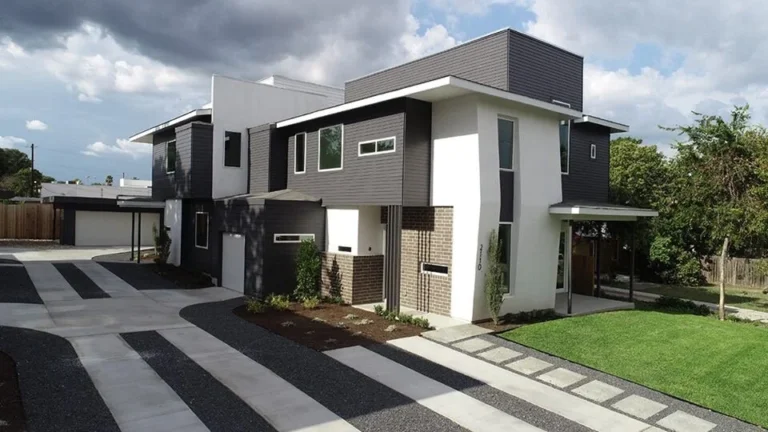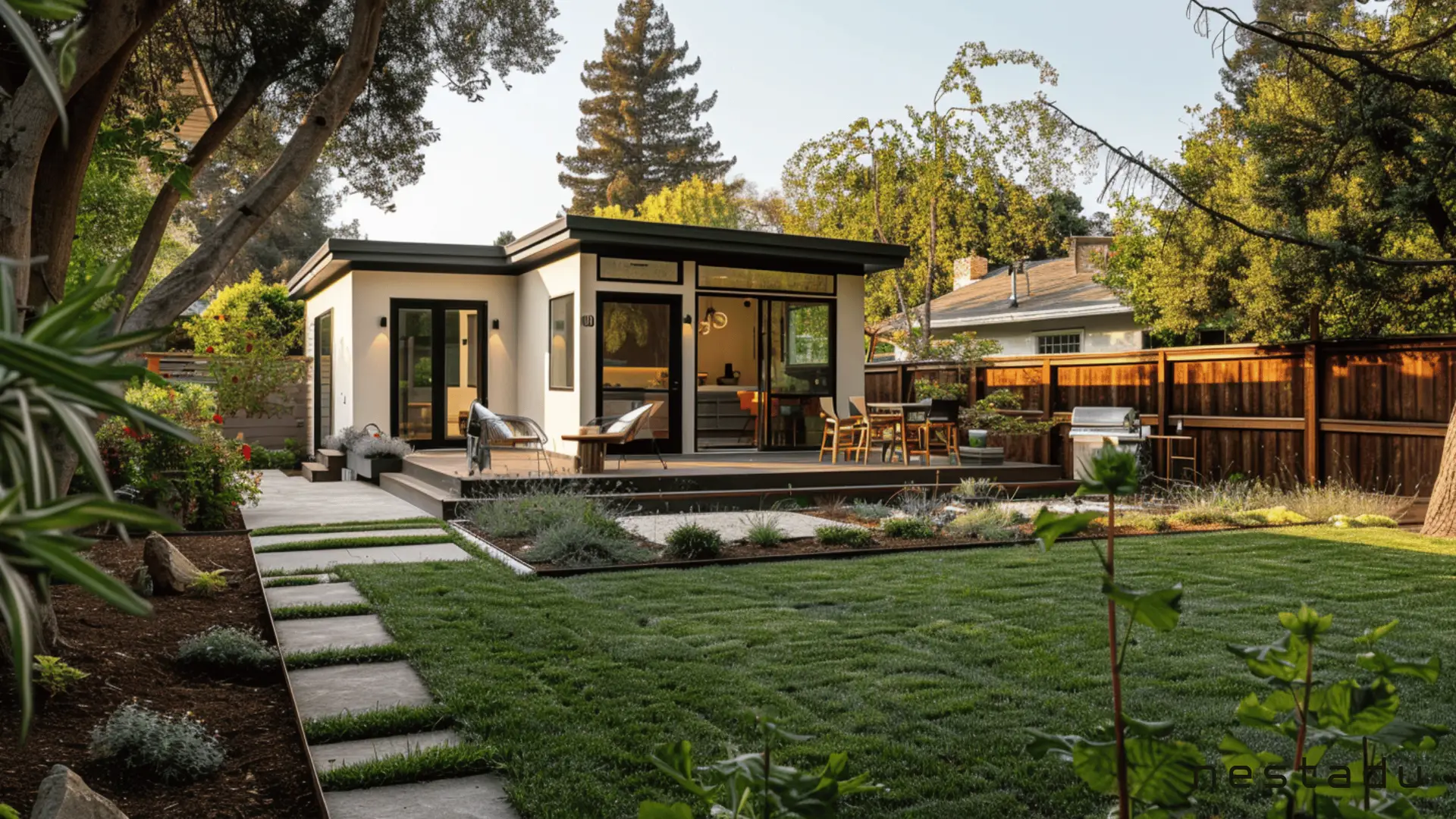
Building a Multigenerational Home Design, Planning, and Modern Innovations
Building a multigenerational home has become one of the most practical and emotionally fulfilling housing trends in modern society. With rising living costs, aging populations, and the growing desire for family closeness, more homeowners are investing in homes that accommodate multiple generations under one roof. This comprehensive guide explores everything from the fundamentals of multigenerational home design to real-world examples, technological innovations, and practical benefits.
Understanding the Concept of a Multigenerational Home
What Does It Mean to Build a Multigenerational Home?
A multigenerational home is designed to house more than one generation of a family-typically grandparents, parents, and children. Unlike standard single-family residences, these homes provide independent living zones within a shared structure, offering both privacy and communal connection.
Building a multigenerational home requires thoughtful planning that addresses differing needs, such as accessibility for older adults, quiet areas for remote work, and safe play zones for children. Architects and builders increasingly use adaptable layouts, flexible spaces, and modern technologies to create homes that can evolve alongside family dynamics.
Why Multigenerational Homes Are Gaining Popularity
The rise in multigenerational living is influenced by several interconnected factors:
-
Economic practicality: Shared costs for mortgages, utilities, and maintenance make large homes more affordable.
-
Aging in place: Older adults can remain close to loved ones while maintaining independence.
-
Family support: Built-in childcare, elder care, and shared resources improve convenience and emotional well-being.
-
Cultural values: Many communities place a strong emphasis on family unity and collective living.
This shift toward family-centric living is not merely a trend-it represents a sustainable and future-proof approach to housing that balances economy, environment, and emotion.
Planning and Design Considerations
Zoning, Privacy, and Space Optimization
When building a multigenerational home, the first consideration is how to structure spaces for both independence and togetherness. Architects often incorporate:
-
Dual master suites for parents and grandparents.
-
Private entrances or “lock-off” suites for extended family.
-
Shared kitchens and living areas are designed for gatherings.
-
Flexible-use spaces such as home offices or guest rooms.
Zoning the home into private, semi-private, and communal zones helps prevent overcrowding and ensures harmony among family members.
Accessibility and Universal Design
Accessibility is essential for multigenerational living, particularly for aging parents. A universal design approach ensures that the home is usable by people of all ages and abilities. Key design features may include:
-
Step-free entries and wide corridors.
-
Lever handles instead of doorknobs.
-
Ground-floor bedrooms and bathrooms.
-
Barrier-free showers and smart lighting.
Universal design enhances safety, comfort, and long-term livability, ensuring that the home adapts seamlessly to changing family needs.
Energy Efficiency and Sustainability
Modern multigenerational homes often integrate sustainable building practices to reduce environmental impact and long-term costs. This includes solar panels, high-efficiency insulation, water-saving fixtures, and smart thermostats.
Eco-friendly materials such as bamboo flooring, low-VOC paints, and recycled steel can also contribute to a healthier indoor environment. In essence, sustainable design aligns perfectly with multigenerational values-building homes that serve both current and future generations.
Benefits of Building a Multigenerational Home
Financial Advantages
Building one home for multiple generations offers significant financial savings. Shared expenses, including property taxes, maintenance, and utilities, lower overall costs per household. It can also reduce childcare and eldercare costs by keeping family support within the home.
Moreover, multigenerational homes often increase property value because of their adaptability and high demand in today’s housing market.
Emotional and Social Connection
Living under one roof fosters stronger family relationships. Parents receive help with children, seniors enjoy companionship, and grandchildren benefit from daily interaction with older family members. These close connections enhance mental health and create a lasting sense of belonging.
Such living arrangements also make celebrating holidays, milestones, and daily life events more meaningful and shared.
Sustainability and Resource Efficiency
By sharing one home instead of maintaining separate residences, families reduce their collective carbon footprint. Energy consumption, water usage, and construction materials are all minimized. Combined with smart technologies, these homes promote sustainable living practices.
Practical Flexibility
The greatest benefit of building a multigenerational home is its long-term flexibility. Spaces can evolve: children’s bedrooms can become guest suites, and independent units can convert into rental spaces or offices. This adaptability ensures that the home remains functional and relevant through the decades.
Real-World Examples of Multigenerational Homes
1. Lennar’s “Next Gen – The Home Within a Home”
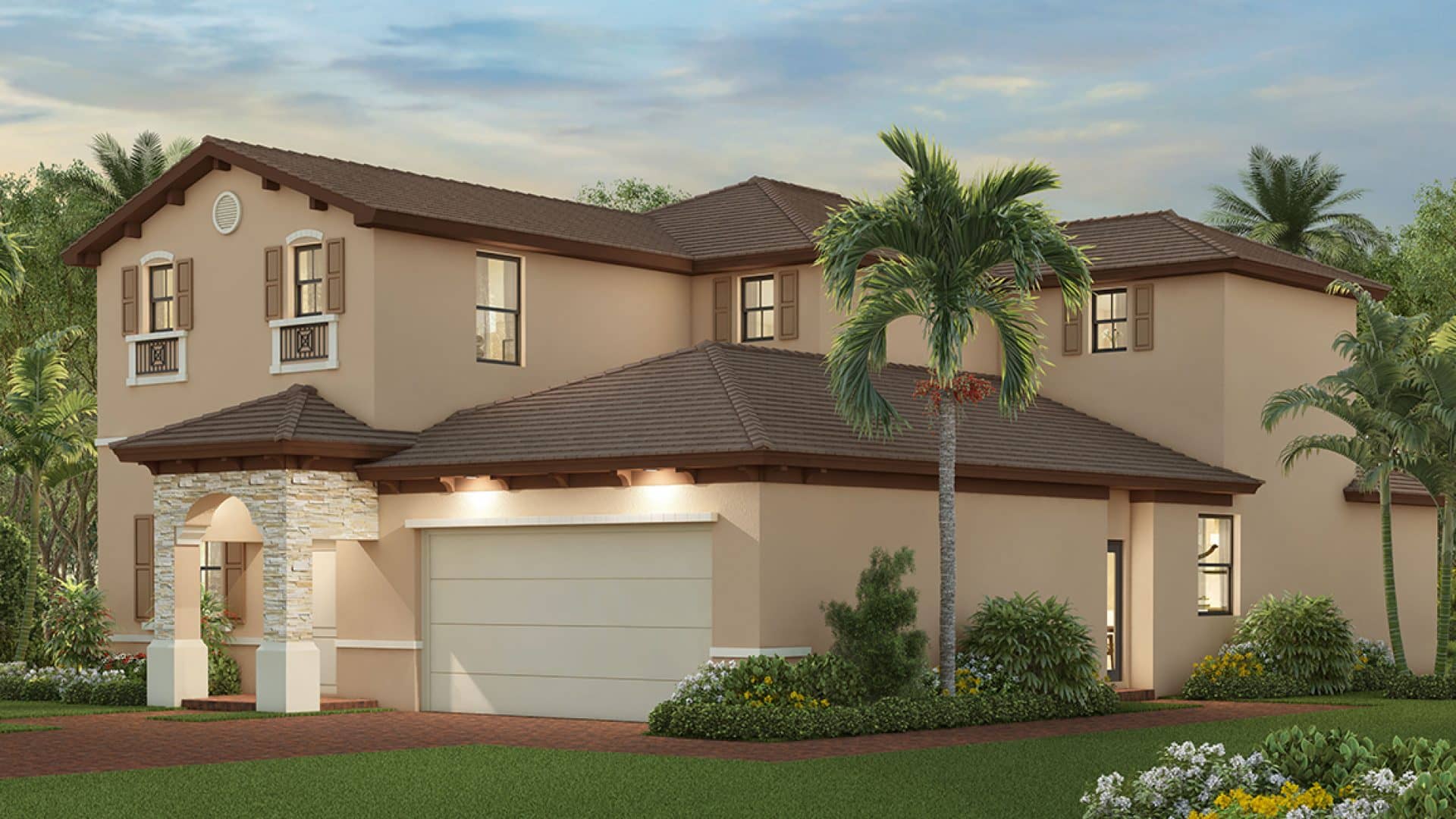
Lennar’s Next Gen model is a prime example of how large homebuilders are meeting modern family needs. It features a private suite with its own living room, kitchenette, and bedroom, connected to the main home via an interior door.
This layout balances independence and accessibility, allowing elderly parents or adult children to have privacy while remaining close to the family core.
2. Custom-Built ADU Integration
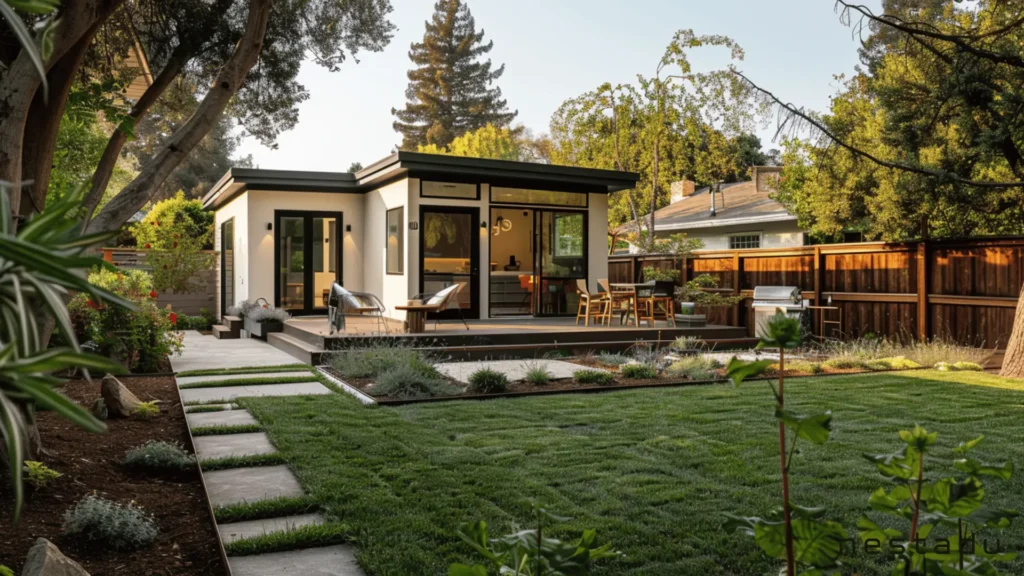
Accessory Dwelling Units (ADUs), also known as granny flats or in-law suites, are becoming integral to multigenerational living. These small, self-contained homes-often built in backyards-offer complete independence with a private kitchen, bathroom, and living area.
Homeowners can design ADUs as permanent structures or modular units that can later be repurposed for guests or rental income.
3. The Modular Family Home Concept
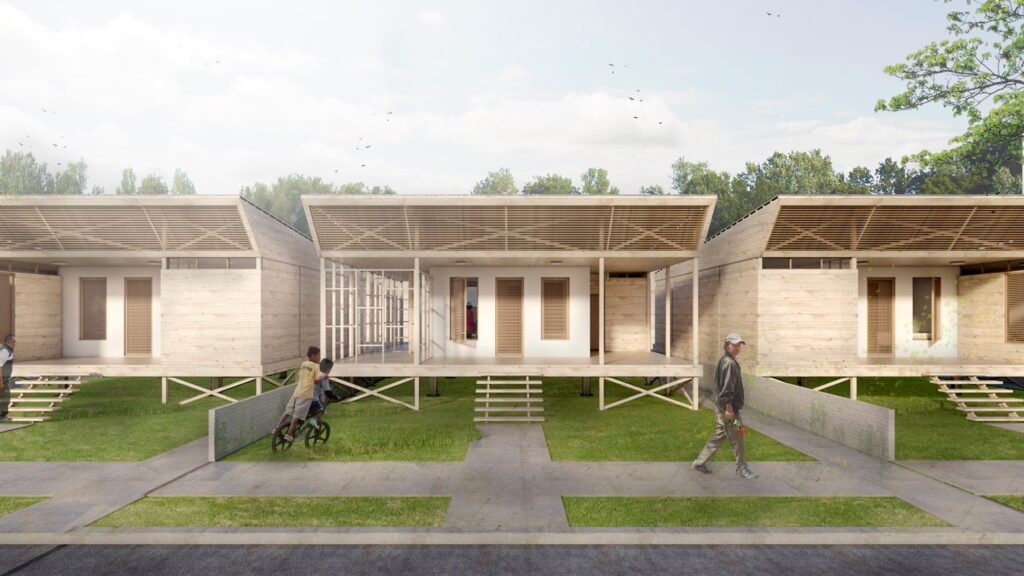
Modular construction has transformed multigenerational housing by enabling homeowners to build expandable homes. Sections can be added or rearranged as family needs change-making it one of the most flexible and cost-effective ways to accommodate generational living.
These modular systems are also faster to construct and more sustainable due to reduced waste during manufacturing.
4. Urban Multigenerational Apartment Design
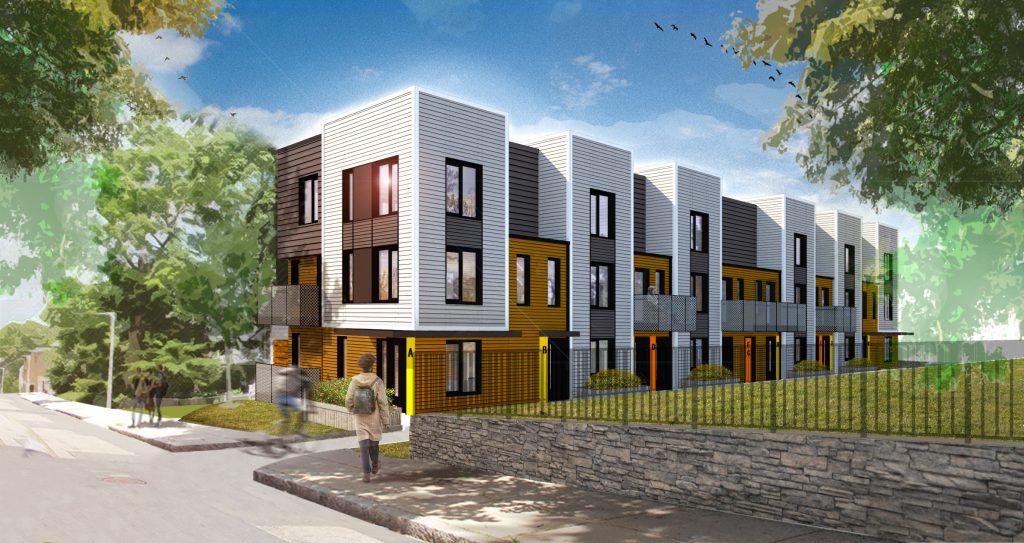
In cities where space is limited, developers are introducing dual-unit apartments designed for extended families. These connected homes provide individual privacy zones and shared community spaces, merging urban convenience with family-oriented living.
The Role of Technology in Multigenerational Home Design
Smart Home Integration
Technology is reshaping how multigenerational homes function. Smart home systems allow each generation to enjoy convenience and security through automation and connectivity. Examples include:
-
Smart thermostats that adjust based on occupancy.
-
Voice-controlled lighting and entertainment for seniors.
-
Security cameras and smart locks for peace of mind.
With interconnected devices, families can monitor energy use, ensure safety, and enhance comfort effortlessly.
Health and Wellness Technologies
For families with elderly members, integrating health-focused technologies can be life-changing. Smart sensors can detect motion, monitor vital signs, or send alerts in case of falls. Combined with wearable devices, these tools help families ensure the safety and well-being of aging relatives.
Additionally, advanced air filtration and humidity control systems create healthier living environments for all generations.
Practical Use Cases
Use Case 1: Elderly Care Without Isolation
Multigenerational homes enable families to provide care for elderly members without the emotional toll of relocation. Parents can maintain independence in a private suite while receiving help when needed. This setup also strengthens emotional ties and promotes well-being for seniors.
Use Case 2: Supporting Young Adults
For adult children navigating financial or career transitions, having a private suite or ADU provides autonomy without the financial strain of renting separately. Families benefit from mutual support, shared meals, and companionship during transitional life phases.
Use Case 3: Long-Term Family Planning
A well-designed multigenerational home grows with the family. Spaces can be reconfigured for new needs-such as home offices, playrooms, or guest units. This adaptability makes such homes future-ready and sustainable for decades.
Frequently Asked Questions (FAQ)
Q1: How much space do you need to build a multigenerational home?
A: The ideal size depends on family needs, but successful designs balance private and shared spaces. Typically, separate living quarters for at least two generations with a bedroom, bathroom, and living area are recommended.
Q2: Can multigenerational homes be built on small lots?
A: Yes. Through creative design solutions such as vertical layouts, ADUs, or modular extensions, even small properties can accommodate multiple generations comfortably.
Q3: Do multigenerational homes cost more to build?
A: While initial construction costs may be higher due to size and specialized design, long-term savings from shared expenses, reduced caregiving costs, and increased property value often outweigh the upfront investment.