Earthquake Safe Real Estate Building Resilient Homes with Modern Technology and Design
Natural disasters, especially earthquakes, have reshaped how architects, engineers, and real estate developers approach building design. As global seismic activity increases, the demand for earthquake-safe real estate has become a major focus in modern construction. From advanced materials to smart monitoring systems, today’s earthquake-resistant homes offer safety, durability, and peace of mind for homeowners.
This article provides an in-depth exploration of earthquake-safe real estate-how it’s built, the technologies behind it, its benefits, and real-world examples of resilient properties around the world.
Understanding Earthquake Safe Real Estate
What Makes Real Estate Earthquake Safe
Earthquake-safe real estate refers to properties designed and constructed to withstand seismic forces, minimizing structural damage and ensuring occupant safety. These buildings are engineered to absorb and dissipate the energy generated by earthquakes through flexible materials, deep foundations, and strategic architectural design.
Modern earthquake-safe structures don’t just resist collapse; they are also designed to remain functional after moderate quakes. This ensures that families can stay in their homes even after a seismic event, reducing displacement and long-term costs.
The Growing Global Demand for Earthquake-Resistant Housing
Regions such as Japan, California, Turkey, and Indonesia have experienced devastating earthquakes in recent decades. As a result, governments and private developers have prioritized stricter building codes and advanced engineering solutions. Earthquake-safe real estate has now become a global necessity, especially in high-risk seismic zones, driving innovation in both materials and structural design.
Key Structural Features of Earthquake Safe Buildings
Base Isolation Systems
Base isolation is one of the most effective methods for earthquake resistance. It involves placing flexible bearings or pads between the building’s foundation and its superstructure. During an earthquake, these isolators absorb ground motion, allowing the building to move independently of the shaking ground.
This system drastically reduces structural stress, preventing severe damage even during strong tremors. It’s commonly used in hospitals, government buildings, and luxury residential complexes located in earthquake-prone regions.
Shear Walls and Cross Bracing
Shear walls and cross bracing add rigidity and stability to tall buildings. These structural elements resist lateral movement, keeping the building upright during seismic activity. Modern materials such as reinforced concrete and steel provide both flexibility and strength, allowing structures to bend slightly without breaking.
Energy Dissipation Devices
Advanced earthquake-safe buildings incorporate dampers—devices that act like shock absorbers. Tuned mass dampers, viscous fluid dampers, and friction dampers absorb seismic energy and minimize swaying, especially in high-rise buildings.
Innovations and Technologies in Earthquake Safe Real Estate
Technology is redefining how earthquake-resistant homes are designed, monitored, and maintained. With the integration of smart sensors and predictive analytics, homes can now detect, analyze, and respond to seismic activity in real time.
Smart Structural Health Monitoring Systems
Smart homes in earthquake-prone regions are increasingly equipped with sensors that measure structural vibrations, foundation movement, and internal stress. These devices transmit real-time data to homeowners and engineers, helping detect potential weaknesses early and enabling preventive maintenance.
Seismic-Resistant Materials
Advanced materials such as engineered wood, reinforced concrete, and shape-memory alloys are transforming how structures handle stress. Shape-memory alloys, for instance, can return to their original shape after deformation, significantly improving a building’s ability to withstand repeated shocks.
3D Modeling and Simulation
Architects and engineers now use AI-powered 3D simulations to predict how structures will behave during earthquakes. This allows for precision in design and ensures that every building element performs optimally under seismic stress. Such modeling reduces construction risk and enhances the long-term durability of the property.
Real-World Examples of Earthquake Safe Real Estate Projects
1. The Sendai Mediatheque – Japan
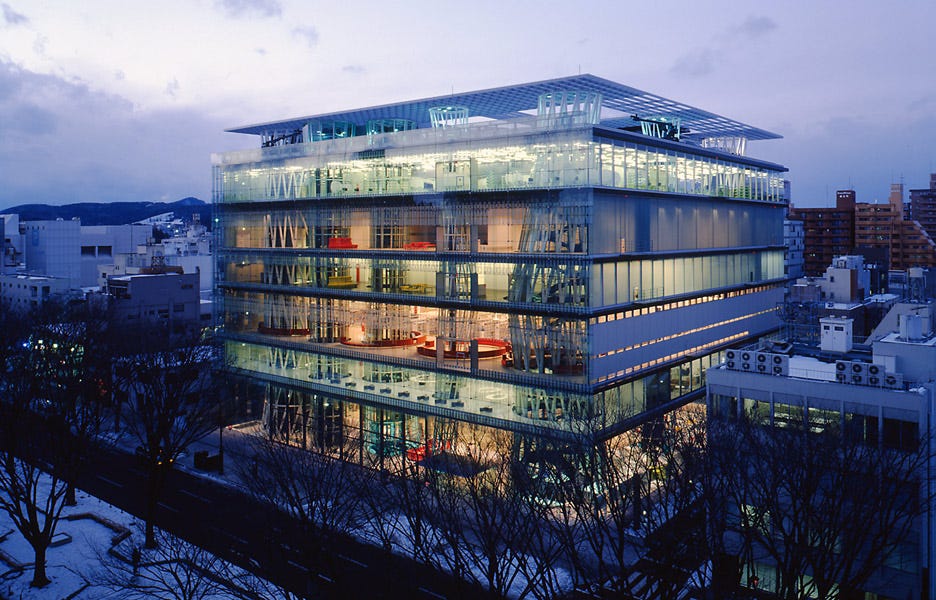
Japan leads the world in earthquake-resistant architecture. The Sendai Mediatheque, designed by Toyo Ito, features a revolutionary structural system composed of steel tubes that allow the building to flex and absorb seismic forces.
During the 2011 Tōhoku earthquake, this building sustained only minor damage despite the intense shaking, proving the effectiveness of its innovative design. Its open, flexible frame also contributes to its architectural beauty, blending safety with aesthetics.
2. One Rincon Hill – San Francisco, USA
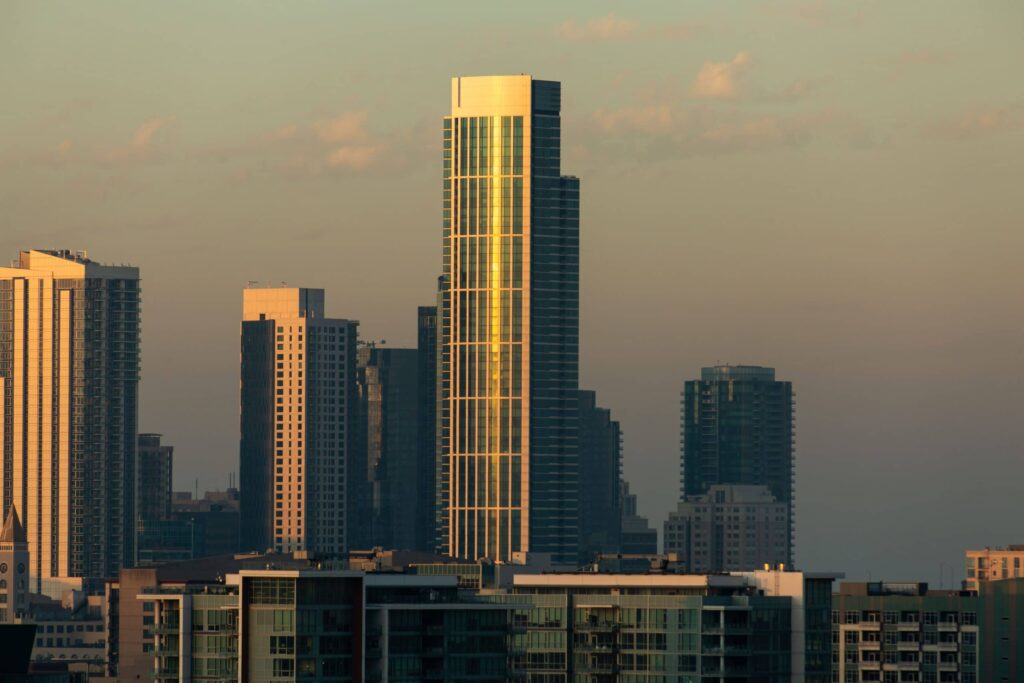
Located in one of America’s most seismically active cities, One Rincon Hill uses a combination of tuned mass dampers and steel framing to stabilize the tower during quakes. The 1,000-ton damper at the top of the building absorbs vibration energy, reducing sway and maintaining comfort for residents.
This high-rise sets a benchmark for integrating technology with earthquake-resistant design, showcasing how modern engineering keeps tall structures secure even in extreme conditions.
3. Christchurch Art Gallery – New Zealand
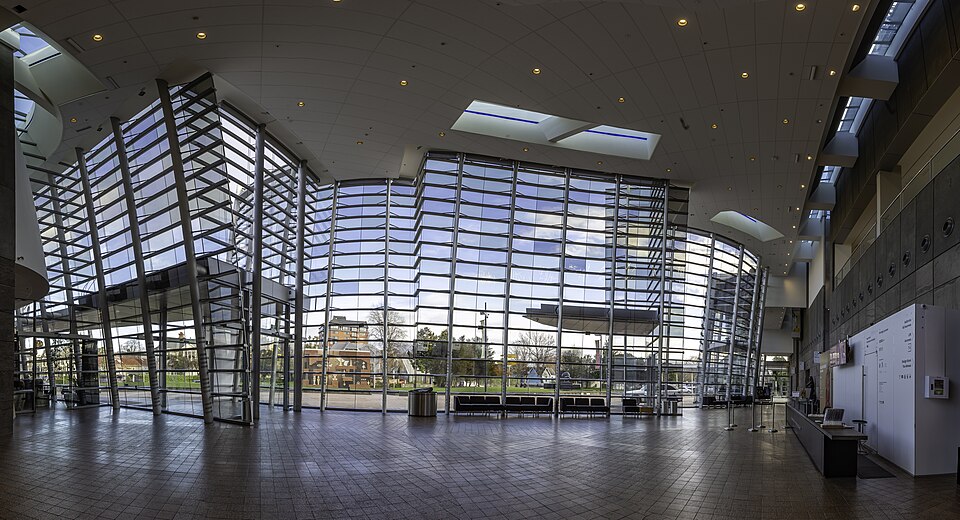
After the devastating 2011 earthquake, the Christchurch Art Gallery was retrofitted with base isolation technology. The system allows the building to move up to 300 millimeters in any direction without sustaining damage.
This real-world example demonstrates the success of retrofitting essential practices for protecting existing structures in seismic zones. It has become a model for museums and public buildings worldwide.
4. Bosphorus Bridge Retrofit – Turkey

Turkey’s iconic Bosphorus Bridge underwent a major seismic retrofit, adding energy-dissipation devices and reinforcing joints with flexible steel components. This upgrade improved the bridge’s resilience while preserving its structural integrity and daily functionality.
It reflects the importance of retrofitting critical infrastructure, ensuring safety and mobility during future seismic events.
Benefits of Earthquake Safe Real Estate
Enhanced Safety and Protection
The primary benefit of earthquake-safe construction is human safety. Buildings designed with seismic resistance protect lives by reducing the risk of collapse or severe damage. They also ensure that residents can safely remain inside during moderate tremors.
Long-Term Cost Efficiency
While earthquake-safe construction requires an upfront investment, it significantly reduces future repair and insurance costs. Homeowners experience fewer structural issues and lower maintenance expenses over the building’s lifespan.
Increased Property Value
Homes built with earthquake-resistant features tend to have higher resale value, especially in regions with known seismic activity. Buyers are increasingly aware of safety standards and prefer properties with proven resilience.
Sustainability and Resilience
Modern earthquake-safe designs incorporate eco-friendly materials and renewable energy systems. Sustainable construction combined with seismic durability ensures that properties remain functional and environmentally responsible for decades.
Real-Life Use Cases of Earthquake Safe Real Estate
Residential Use in High-Risk Zones
Families living in earthquake-prone areas such as California, Japan, and Chile choose earthquake-safe homes for peace of mind. Reinforced foundations, shock-absorbing walls, and intelligent monitoring systems help protect lives and property.
Commercial and Institutional Buildings
Hospitals, schools, and government facilities are critical during emergencies. Earthquake-safe construction ensures these structures remain operational during and after seismic events, supporting community recovery efforts.
Retrofitting Historic Properties
Many older buildings are being retrofitted to meet modern seismic standards. This not only preserves cultural heritage but also strengthens community resilience by preventing catastrophic losses during earthquakes.
Benefits of Using Technology in Earthquake-Resistant Real Estate
Early Warning Systems
Some smart real estate developments now include seismic early warning systems that alert occupants seconds before a quake hits. These extra seconds allow people to take cover and automated systems to shut off gas or electricity, reducing fire and injury risks.
Structural Health Analytics
Advanced analytics tools collect data from sensors embedded in walls and foundations. This data helps engineers detect weakening materials or stress accumulation, enabling timely repairs before serious damage occurs.
Smart Integration with Home Automation
Earthquake-safe homes can integrate with smart assistants like Alexa or Google Home to trigger safety responses during seismic activity, such as unlocking exit doors or activating emergency lighting.
Frequently Asked Questions
Q1. What makes a home earthquake safe?
An earthquake-safe home includes flexible structural elements, reinforced materials, and energy-absorbing systems such as base isolators and dampers. These components work together to minimize damage and protect occupants during seismic activity.
Q2. Can existing homes be made earthquake-resistant?
Yes, through a process called retrofitting. Engineers can strengthen foundations, add shear walls, or install base isolators to improve a building’s resistance without requiring complete reconstruction.
Q3. Are earthquake-safe homes more expensive to build?
Initially, they may cost slightly more due to specialized materials and design. However, the long-term savings in maintenance, insurance, and safety make them a highly cost-effective investment, especially in high-risk areas.