Fire Resistant Housing Materials Building Safer and More Resilient Homes
As climate change accelerates and wildfires become more frequent, the demand for fire resistant housing materials has risen dramatically. Homeowners, architects, and builders are now prioritizing materials that not only provide comfort and efficiency but also protection from fire hazards. Fire resistant construction doesn’t mean a structure is completely fireproof, but rather that it can withstand high temperatures and slow the spread of flames, giving occupants more time to escape and firefighters more time to respond.
These materials are specifically engineered or selected based on their ignition resistance, thermal stability, and ability to maintain structural integrity under extreme heat. In residential construction, they are used in walls, roofing, windows, insulation, and exterior finishes. By combining these materials strategically, modern homes can achieve a higher level of fire resilience and sustainability.
The Science Behind Fire Resistance in Building Materials
Fire resistance is determined by how well a material can withstand and limit the spread of fire. The fire-resistance rating (FRR) measures how long a material can endure direct exposure to flames without structural failure-usually expressed in hours.
Materials like concrete, brick, steel, and certain treated woods achieve higher FRRs due to their composition and thermal mass. Non-combustible materials such as gypsum and fiber cement boards act as barriers, preventing flames from penetrating walls. Some advanced materials are treated with intumescent coatings, which expand when exposed to heat to create an insulating char layer that protects the structure beneath.
In modern construction, engineers use computational fire modeling and laboratory testing to determine how different materials behave under realistic fire scenarios. This scientific approach ensures that each layer of a building contributes effectively to overall fire safety.
The Role of Technology in Fire Resistant Construction
Technological innovation has revolutionized the way fire resistant materials are developed and applied. Modern manufacturing processes combine natural and synthetic compounds to create hybrid materials with enhanced performance.
For example, smart coatings are being used to make surfaces more resistant to flames. These coatings contain microencapsulated chemicals that release fire-suppressing gases when exposed to heat. Similarly, advanced composite panels integrate non-combustible cores, providing both insulation and fire resistance without sacrificing design flexibility.
Additionally, data-driven design software helps architects simulate fire scenarios to test material performance virtually before construction begins. This integration of AI and digital modeling ensures safety compliance and reduces costly material waste.
Real-World Examples of Fire Resistant Housing Materials
1. Concrete: The Backbone of Fire-Resistant Homes
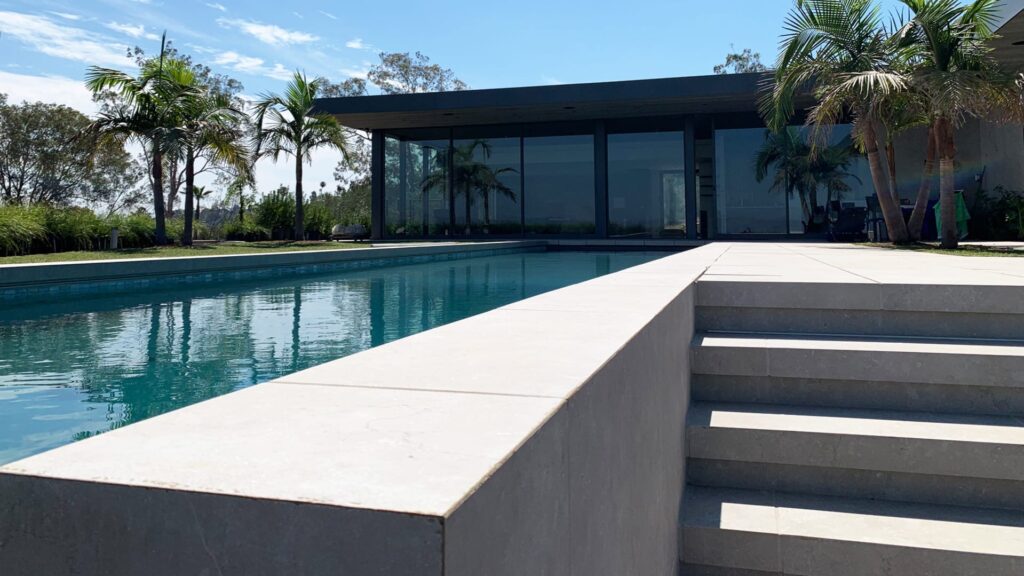
Concrete remains one of the most widely used fire resistant materials. Its non-combustible nature and high heat capacity make it ideal for walls, floors, and foundations. When exposed to fire, concrete can retain its strength longer than many other materials, minimizing collapse risk.
In California and Australia, where wildfires frequently threaten residential areas, concrete homes have proven remarkably resilient. Many modern sustainable housing projects now feature concrete walls combined with energy-efficient design, offering both durability and safety.
2. Fiber Cement Siding: A Durable Exterior Shield
Fiber cement siding, composed of cement, sand, and cellulose fibers, is gaining popularity for its excellent fire-resistant properties. It can withstand direct flame exposure for extended periods without igniting, making it ideal for exterior cladding in fire-prone zones.
Brands such as James Hardie have pioneered this material in residential construction, providing both aesthetic versatility and Class A fire ratings. Beyond fire resistance, fiber cement siding is resistant to rot, pests, and harsh weather conditions-a strong combination of performance and longevity.
3. Gypsum Board: Fire Protection from Within
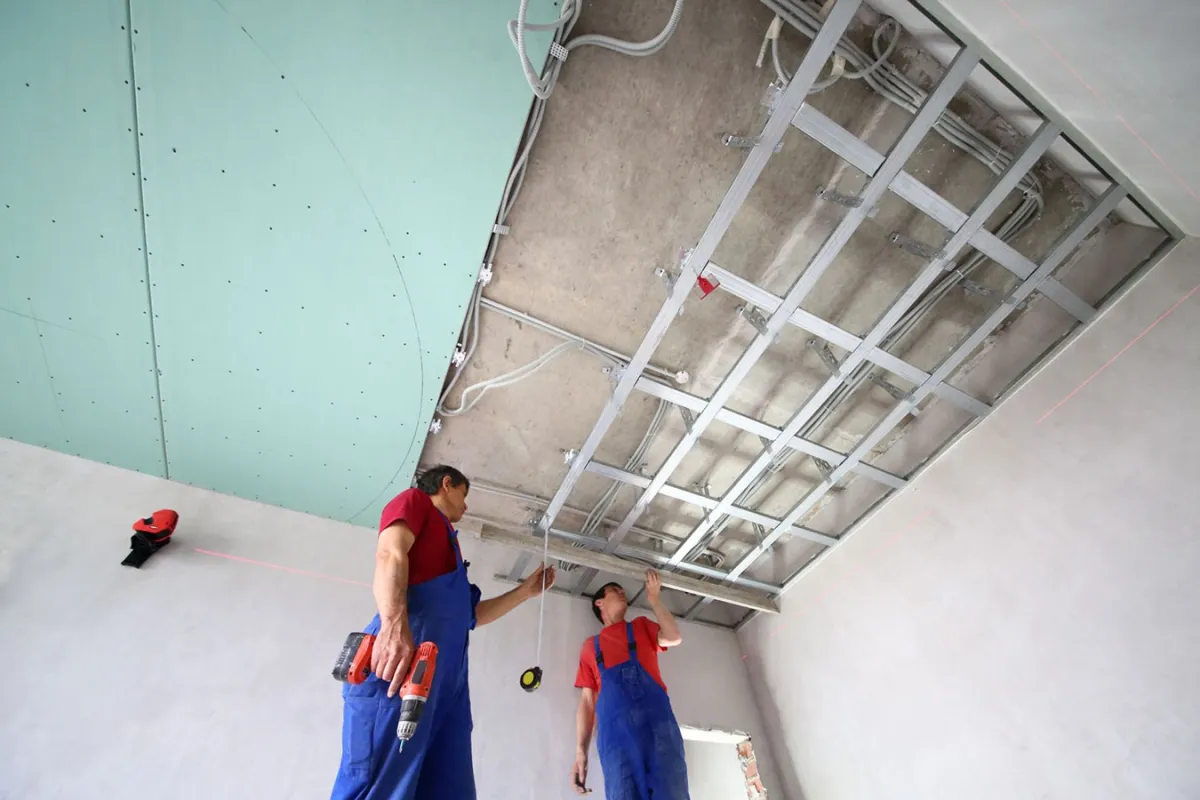
Gypsum board (commonly known as drywall) is a staple in fire-resistant construction. Its core contains chemically bound water that releases steam when heated, slowing down heat transfer and reducing fire spread. Fire-rated gypsum boards, identifiable by their pink or red paper liners, are commonly used in walls and ceilings to achieve higher safety standards.
In residential construction, gypsum provides an affordable and effective layer of fire resistance, often combined with insulation and framing materials to form multi-layer fireproof walls.
4. Intumescent Paint: A Modern Fireproofing Innovation
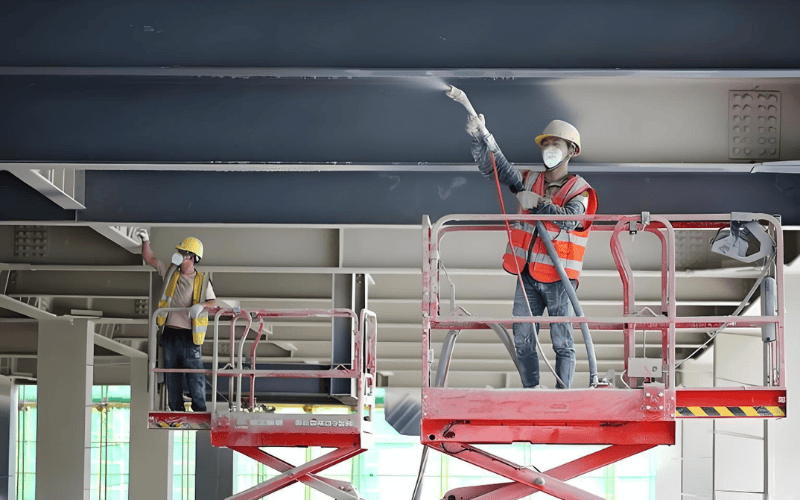
Intumescent paint is an advanced protective coating applied to structural components such as steel, wood, or drywall. When exposed to high temperatures, the paint swells up to many times its original thickness, forming a carbonaceous foam that insulates the substrate from heat.
This material is especially valuable in preserving structural integrity during fires, as it delays the weakening of steel or wooden frames. Architects increasingly use it to meet safety codes while maintaining aesthetic appeal.
5. Fire-Resistant Glass: Safety Meets Design
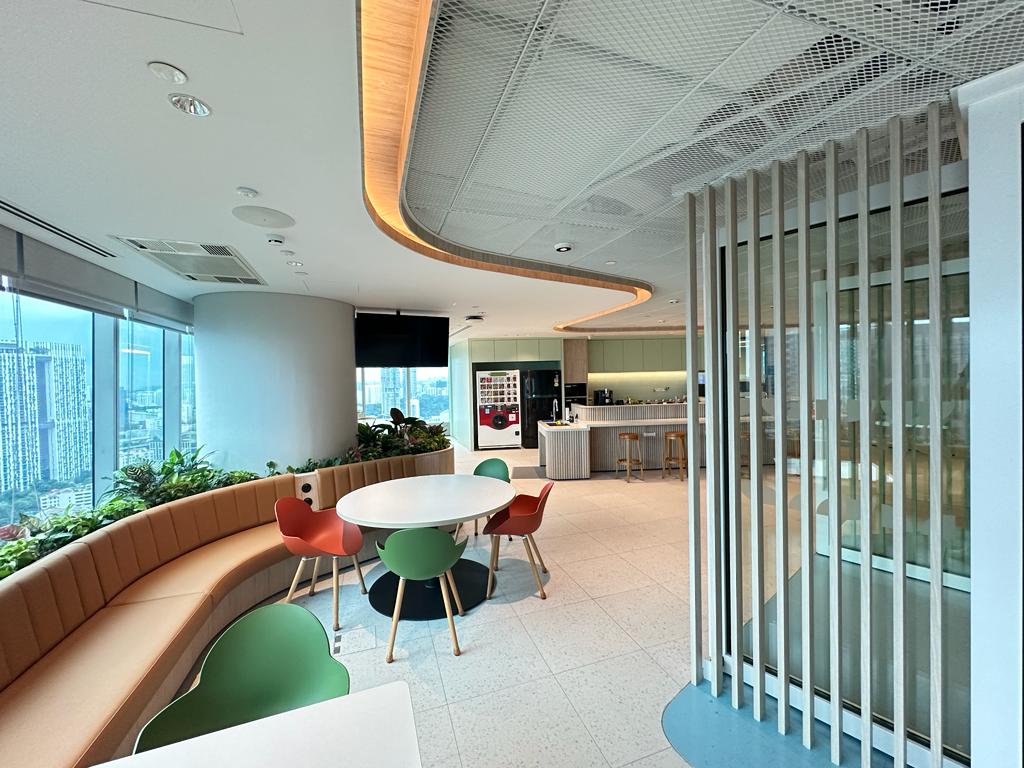
Modern fire-resistant glass is engineered with multiple layers of heat-resistant interlayers that prevent shattering under extreme heat. It provides transparency while offering critical protection in windows, doors, and partitions.
In wildfire-prone areas, such as parts of the American West, double-glazed fire-rated windows have become a necessity. They prevent radiant heat from entering the home and stop flames from spreading through broken glass openings.
Benefits of Fire Resistant Housing Materials
The advantages of using fire resistant materials go beyond safety. They contribute to long-term sustainability, energy efficiency, and peace of mind for homeowners.
One major benefit is enhanced life safety-fire resistant structures allow more time for evacuation and emergency response. This can make the difference between minor damage and catastrophic loss. These materials also reduce smoke production and toxic emissions, improving air quality during fires.
From an environmental and economic perspective, these materials lower the frequency of reconstruction and reduce waste after disasters. Durable, non-combustible materials often require less maintenance, saving costs over a building’s lifetime. Moreover, homes built with fire resistant materials are increasingly being recognized by insurance providers, potentially resulting in lower premiums.
Use Cases: How Fire Resistant Design Solves Real Problems
In wildfire-prone regions such as California, Australia, and the Mediterranean, fire resistant housing materials have proven essential for community resilience. Homes built with concrete exteriors, metal roofs, and fire-resistant landscaping have survived blazes that destroyed neighboring properties built with conventional wood.
In urban environments, where electrical fires and structural fires are more common, using non-combustible internal materials like gypsum and steel framing can prevent building-to-building fire spread.
Even in industrial zones, fire resistant housing materials are used to create protective barriers between residential and manufacturing areas. This reduces the risk of large-scale urban fires and improves public safety standards.
The Future of Fire Resistant Building Design
The future of fire resistant construction lies in material innovation and smarter design integration. Researchers are developing nano-engineered materials that respond to heat more efficiently and bio-based composites that combine sustainability with flame resistance.
Building codes are also evolving to require higher fire ratings, especially in wildland-urban interface (WUI) zones. Future homes will likely integrate automated fire suppression systems, smart sensors, and predictive AI modeling to detect and respond to fire threats in real-time.
The combination of technology and materials science ensures that the homes of tomorrow will not only be stronger but also more intelligent and environmentally conscious.
Frequently Asked Questions
Q1. What materials are most fire resistant for home construction?
Materials like concrete, brick, gypsum, fiber cement, and steel are among the most fire resistant options available. They maintain structural integrity longer during exposure to high temperatures and help slow down fire spread.
Q2. Can wooden homes be made fire resistant?
Yes, through the use of fire-retardant treatments, coatings, and cladding systems. Treated timber and intumescent paints can improve the fire performance of wood-based structures significantly.
Q3. Are fire resistant materials environmentally friendly?
Many modern fire resistant materials are eco-friendly. Products like fiber cement, recycled steel, and bio-composites are designed to be both sustainable and fire safe, supporting green building certifications like LEED.