Green Building Standards A Complete Guide to Sustainable Construction Practices in 2025
Green building standards represent a set of guidelines, principles, and certifications that aim to reduce the environmental impact of construction while improving the health, comfort, and efficiency of the built environment. These standards promote resource conservation, energy efficiency, water management, and sustainable materials-transforming how buildings are designed, constructed, and operated.
As global awareness of climate change grows, green building standards have become a cornerstone of modern architecture. They encourage architects, developers, and policymakers to integrate environmental considerations into every stage of the construction process, from design to demolition.
In 2025, the global green building movement continues to expand as governments tighten environmental regulations and real estate markets demand eco-friendly properties. Certifications such as LEED (Leadership in Energy and Environmental Design), BREEAM (Building Research Establishment Environmental Assessment Method), and WELL Building Standard have become benchmarks for sustainable excellence.
The Importance of Green Building Standards
Green building standards ensure that construction projects align with long-term sustainability goals. They provide a measurable framework for reducing carbon footprints, conserving natural resources, and improving occupant well-being.
These standards are not just for new construction-they also apply to existing buildings, retrofits, and interior renovations. By following green guidelines, building owners can significantly cut energy costs, improve indoor air quality, and enhance property value.
More importantly, the widespread adoption of green building standards contributes to the global effort to combat climate change by promoting energy-efficient practices and renewable energy integration.
Key Global Green Building Standards
LEED (Leadership in Energy and Environmental Design)
Developed by the U.S. Green Building Council, LEED is one of the most recognized and widely adopted green building certification systems worldwide. It evaluates projects across categories such as energy efficiency, water conservation, material selection, and indoor environmental quality.
Buildings earn points based on performance in these areas and are awarded certification levels: Certified, Silver, Gold, or Platinum. LEED-certified buildings are designed to minimize waste, reduce greenhouse gas emissions, and optimize operational performance.
LEED standards are flexible, applying to various sectors, including residential, commercial, institutional, and industrial projects. In 2025, LEED continues to evolve with a greater emphasis on climate resilience, carbon neutrality, and occupant wellness.
BREEAM (Building Research Establishment Environmental Assessment Method)
Originating in the United Kingdom, BREEAM is one of the world’s oldest and most comprehensive sustainability assessment methods for buildings. It evaluates factors such as management, energy, water, health, transport, waste, and ecology.
BREEAM focuses on both design and post-construction performance, ensuring that buildings meet sustainability goals throughout their lifecycle. Its adaptable framework allows it to be applied globally, supporting developers in creating high-performance, environmentally responsible spaces.
In Europe, BREEAM-certified buildings are considered benchmarks for sustainable architecture, offering superior efficiency and occupant satisfaction.
WELL Building Standard
The WELL Building Standard focuses primarily on human health and well-being. It measures how the built environment affects comfort, air quality, lighting, acoustics, and mental health.
Unlike LEED or BREEAM, which focus largely on energy and resource performance, WELL evaluates the direct impact of buildings on human physiology and psychology. It encourages designs that enhance physical and mental wellness through air purification, ergonomic design, access to natural light, and biophilic elements.
WELL is particularly popular in office spaces, healthcare facilities, and educational institutions, where occupant well-being directly influences productivity and satisfaction.
Green Star (Australia)
Developed by the Green Building Council of Australia, Green Star evaluates buildings based on nine key impact categories, including energy, water, emissions, innovation, and materials. It has been instrumental in transforming Australia’s real estate landscape, promoting sustainable design and renewable energy integration.
Green Star-certified buildings achieve significant reductions in operational costs and carbon emissions while providing healthier environments for occupants. Its growing influence has also inspired other regions to develop localized versions of green certification systems.
EDGE (Excellence in Design for Greater Efficiencies)
EDGE, developed by the International Finance Corporation (IFC), is a fast-growing green building standard designed for emerging markets. It focuses on affordability and simplicity, making sustainability accessible to developers worldwide.
The EDGE system measures energy, water, and material efficiency, encouraging practical improvements in resource management. Its online platform allows users to calculate design impacts instantly, making it one of the most user-friendly green certification systems available.
Benefits of Adopting Green Building Standards
Environmental Sustainability
Green building standards drive significant reductions in carbon emissions, energy consumption, and water use. By promoting renewable materials and eco-friendly technologies, these standards protect natural ecosystems and reduce waste generation.
Economic Efficiency
Although the initial cost of green construction can be higher, long-term savings are substantial. Energy-efficient systems and materials lead to lower operational costs, reduced maintenance needs, and higher property values.
Health and Comfort
By emphasizing air quality, natural lighting, and acoustics, green building standards create healthier indoor environments. Occupants experience fewer respiratory problems, better focus, and enhanced overall well-being.
Resilience to Climate Change
Modern green standards incorporate climate-adaptive design principles such as passive ventilation, renewable energy systems, and flood-resistant materials. This makes certified buildings more resilient to extreme weather events and changing environmental conditions.
Real-World Examples of Green Building Standards in Action
1. The Edge, Amsterdam (LEED Platinum)
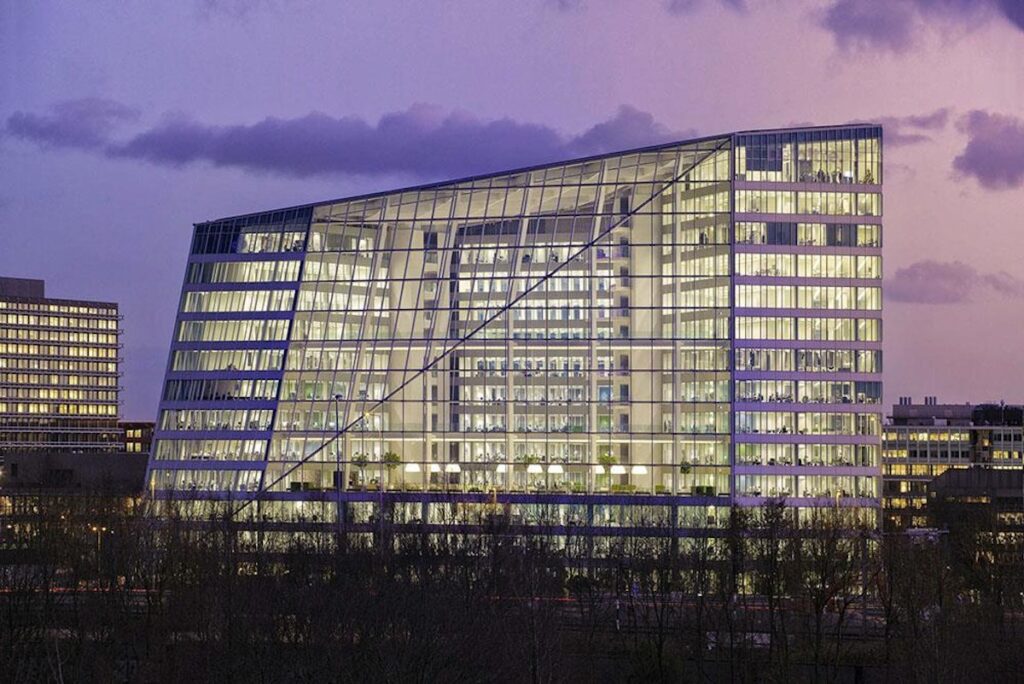
The Edge, headquarters of Deloitte, is often cited as one of the greenest and smartest office buildings in the world. It achieved LEED Platinum certification with a record-breaking score. The building integrates solar energy, rainwater collection, smart lighting, and temperature systems controlled via smartphone apps.
Its efficient design reduces energy consumption by 70% compared to traditional offices, setting new benchmarks for sustainable corporate architecture.
2. One Central Park, Sydney (Green Star Certified)
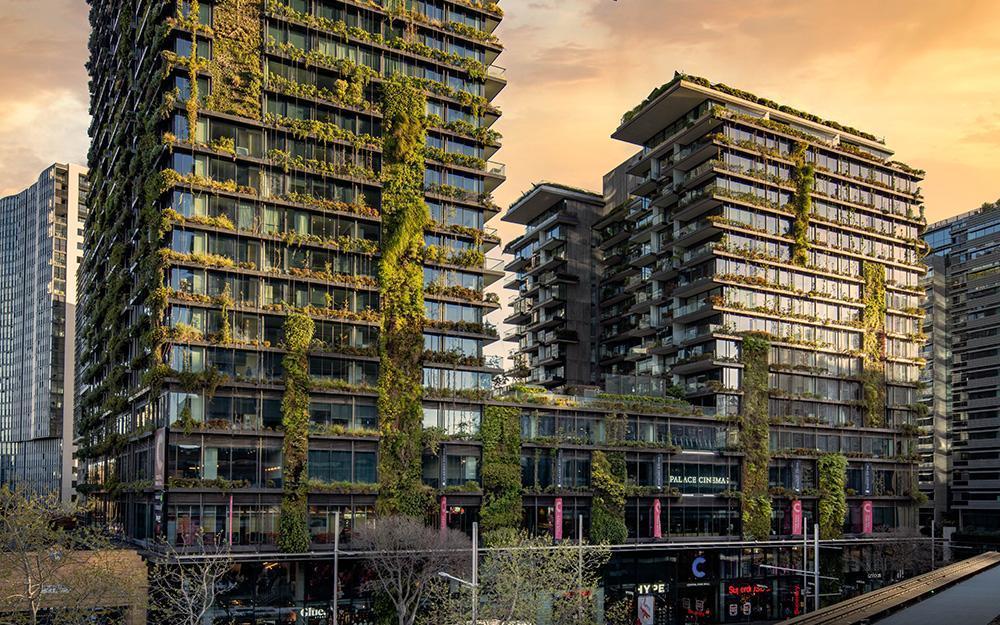
One Central Park in Sydney showcases how sustainability and aesthetics can coexist. Its vertical gardens and integrated heliostat system reflect sunlight into shaded areas, improving natural illumination.
The development uses recycled water, energy-efficient systems, and renewable materials, earning multiple Green Star ratings. It serves as a model for biophilic design and eco-conscious urban living.
3. Bloomberg Headquarters, London (BREEAM Outstanding)
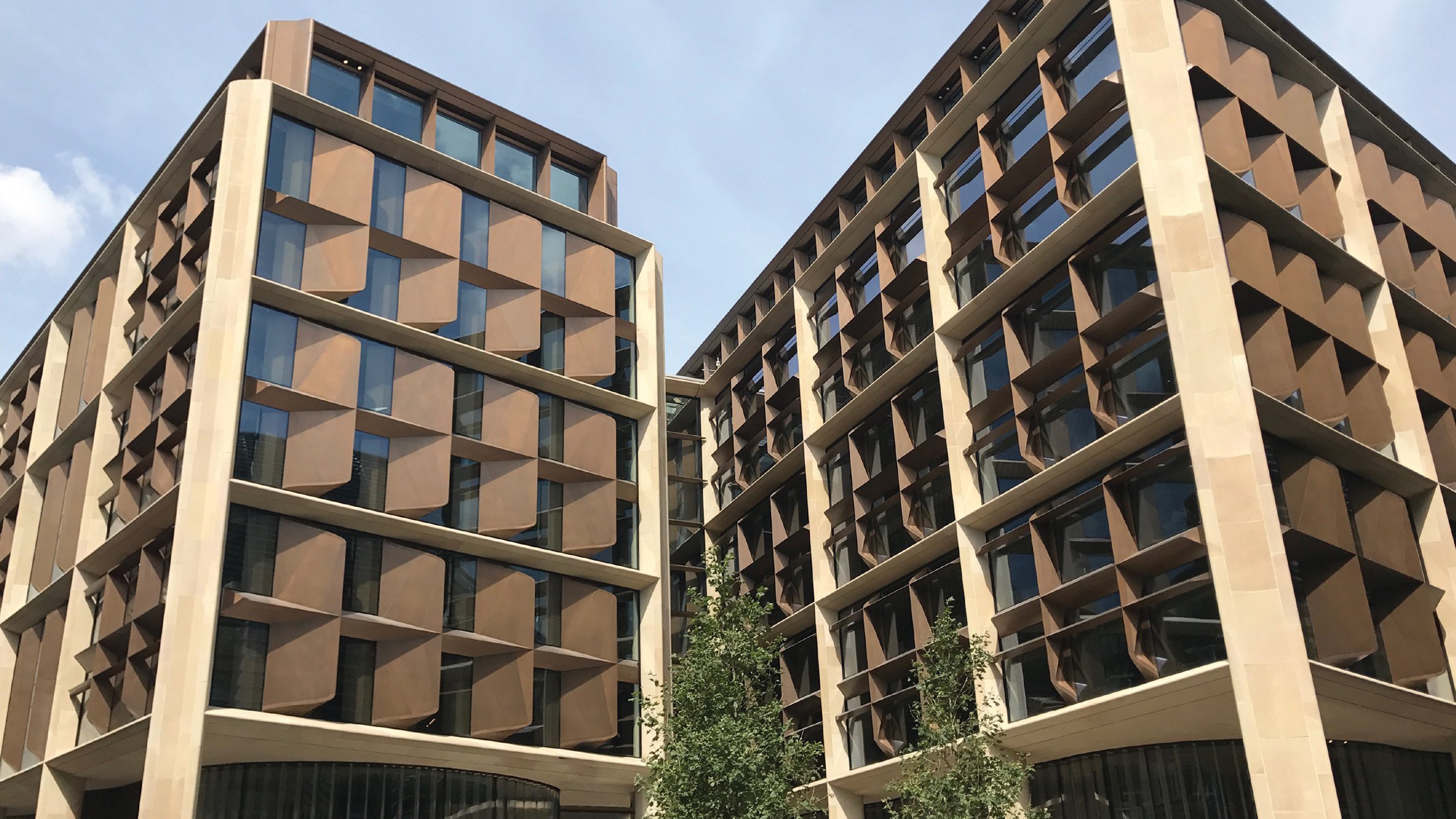
The Bloomberg European headquarters is one of the highest-rated BREEAM projects globally. Its design prioritizes natural ventilation, smart lighting, and material efficiency, reducing water use by 73% and energy consumption by 35%.
The building demonstrates that sustainability and corporate identity can align seamlessly in modern architecture.
4. Phipps Conservatory and Botanical Gardens, USA (WELL + LEED Certified)
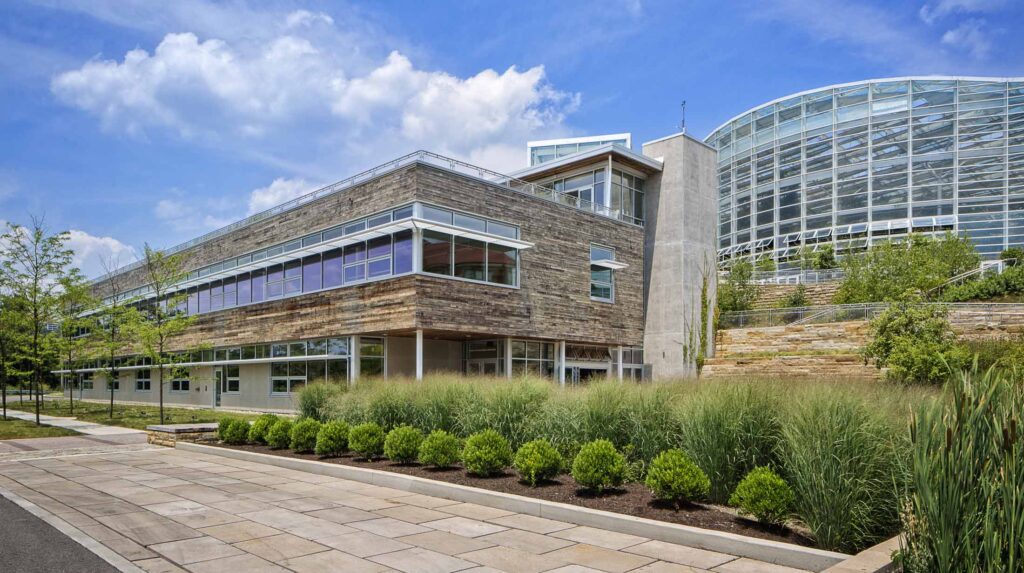
This project combines WELL and LEED certifications to achieve exceptional sustainability and occupant wellness. Its net-zero energy design, natural air purification, and biophilic features create an environment that nurtures both plants and people.
Phipps serves as an educational center, demonstrating how sustainable building principles can improve both environmental and human health outcomes.
Technology and Innovation in Green Building Standards
The advancement of green building technologies plays a crucial role in meeting certification requirements. Smart building systems, renewable energy technologies, and AI-based energy management tools now allow architects to monitor performance in real-time.
Innovations like photovoltaic glass, energy-efficient HVAC systems, and smart water recycling help buildings meet and exceed green certification thresholds. Additionally, digital twins-virtual replicas of buildings-enable continuous optimization of energy performance and resource management.
As technology evolves, green standards increasingly integrate digital monitoring and analytics, ensuring that sustainability is measurable, verifiable, and scalable.
Practical Use Cases and Real-Life Applications
Green building standards are applied across sectors, proving their versatility and impact.
-
Residential Housing: Developers use LEED or EDGE certification to attract eco-conscious homeowners seeking energy savings and healthier living spaces.
-
Corporate Offices: Businesses pursue WELL or BREEAM certifications to promote employee well-being and brand sustainability.
-
Educational Institutions: Universities and schools implement green building principles to reduce operating costs and foster environmental responsibility among students.
-
Public Infrastructure: Governments apply green standards to public facilities, lowering carbon footprints and enhancing public trust in sustainability policies.
These use cases highlight the global shift toward eco-conscious construction and long-term environmental stewardship.
The Future of Green Building Standards
As the construction sector continues to evolve, green building standards will become the foundation of all sustainable design. Future frameworks are expected to include more stringent carbon accounting, circular economy principles, and climate resilience metrics.
Emerging technologies such as AI-driven building automation, carbon-neutral materials, and net-zero construction methods will make green buildings not only a trend but a necessity. Governments and private sectors alike are recognizing that sustainability is no longer optional — it’s the cornerstone of future-ready architecture.
Frequently Asked Questions
Q1. What is the main goal of green building standards?
The primary goal is to minimize environmental impact, improve energy efficiency, and enhance the health and comfort of building occupants. They serve as measurable frameworks for sustainable construction and operation.
Q2. How do green building certifications benefit property owners?
Certified buildings often experience reduced energy and maintenance costs, higher market value, and increased appeal to tenants and investors seeking sustainable properties.
Q3. Can older buildings be upgraded to meet green standards?
Yes. Many certification systems, such as LEED and BREEAM, offer pathways for retrofitting existing structures. Upgrades to insulation, lighting, ventilation, and materials can significantly improve sustainability performance.