Green Home Certification Process A Complete Guide to Sustainable Building Standards
The green home certification process is a structured assessment that evaluates how environmentally friendly, energy-efficient, and sustainable a home is. These certifications provide formal recognition that a home meets specific environmental and performance standards, often verified by third-party organizations.
The process involves a detailed evaluation of multiple factors-from energy use and water efficiency to material sourcing, waste reduction, and indoor air quality. By obtaining certification, homeowners and developers demonstrate a commitment to sustainability, reduced carbon footprints, and long-term cost efficiency.
The primary goal of this process is to create buildings that minimize negative environmental impacts throughout their lifecycle. Whether constructing a new home or retrofitting an existing one, the certification journey promotes responsible design, efficient resource use, and improved living quality.
Why Green Home Certification Matters in Modern Construction
As climate change intensifies and energy costs rise, the demand for environmentally responsible housing has surged. Green home certifications help ensure that buildings are constructed and operated sustainably-addressing both ecological concerns and long-term economic benefits.
Certified homes often use 20–30% less energy and water than conventional buildings, significantly lowering utility bills. Additionally, these homes tend to have better indoor air quality, improved insulation, and durable materials that enhance overall comfort and health.
From a market perspective, certified homes also command higher resale value. Buyers increasingly seek verified sustainable properties, making certification a strong marketing asset for developers and homeowners alike. Governments and municipalities further support the trend by offering tax incentives and grants for certified projects.
Key Steps in the Green Home Certification Process
The green home certification process typically follows a sequence of evaluation stages, ensuring that all sustainability measures are properly planned, implemented, and verified.
Step 1: Pre-Design Planning and Goal Setting
At the outset, the project team-including architects, engineers, and sustainability consultants- defines environmental goals. This includes determining which certification program (such as LEED, BREEAM, or ENERGY STAR) the project will pursue.
Planning at this stage allows for integration of sustainable strategies early in the design, such as passive solar orientation, energy-efficient layouts, and selection of eco-friendly materials.
Step 2: Design and Documentation
During the design phase, detailed documentation of materials, systems, and technologies is prepared to meet certification criteria. For instance, insulation materials, energy models, and water systems must be reviewed and validated.
The design team often collaborates with certified green building professionals to ensure all features align with the target certification’s checklist. This proactive approach prevents costly design changes during construction.
Step 3: Construction and Implementation
In the construction phase, contractors follow the approved sustainability plan. This includes using certified materials, managing waste responsibly, and installing energy-efficient systems. Independent auditors or inspectors may visit the site to verify compliance.
Waste reduction is a major focus at this stage. Builders are required to recycle construction debris and ensure that materials like adhesives and paints meet low-emission standards for healthier indoor air quality.
Step 4: Performance Testing and Verification
Once construction is complete, performance testing is conducted to ensure the home meets specified benchmarks. This may involve air leakage tests, thermal imaging, water system audits, and energy performance assessments.
Third-party evaluators verify that the design goals were achieved and issue a final report. If the project meets or exceeds required standards, certification is awarded.
Step 5: Certification and Ongoing Monitoring
After successful verification, the home receives certification. Many programs also include a monitoring period to assess long-term performance and ensure sustainability goals continue to be met.
Ongoing tracking helps homeowners understand how their building performs over time and identify potential areas for efficiency improvement.
Major Green Home Certification Programs
Several globally recognized programs certify homes for environmental performance. Each has unique criteria but shares a common goal: promoting sustainable living.
LEED (Leadership in Energy and Environmental Design)
LEED, developed by the U.S. Green Building Council, is one of the most widely adopted certification programs worldwide. It rates homes based on energy efficiency, water conservation, sustainable materials, and indoor environmental quality.
Homes can achieve different certification levels-Certified, Silver, Gold, or Platinum-depending on how many points they earn across performance categories. LEED-certified homes often include solar panels, efficient HVAC systems, and recycled materials.
BREEAM (Building Research Establishment Environmental Assessment Method)
Originating in the UK, BREEAM evaluates homes based on sustainability performance in energy, materials, water, waste, and ecology. It emphasizes lifecycle analysis, ensuring long-term efficiency rather than short-term gains.
BREEAM-certified homes are particularly popular in Europe and Asia, offering detailed guidance on environmental management during construction and operation phases.
ENERGY STAR Homes
ENERGY STAR, a U.S.-based certification, focuses on energy performance standards set by the Environmental Protection Agency (EPA). To qualify, homes must achieve a minimum of 10% energy savings compared to standard new homes and typically deliver up to 20% savings.
ENERGY STAR certification often includes advanced insulation, high-efficiency windows, and smart heating and cooling systems, making it ideal for homeowners seeking affordability and sustainability.
Real-World Examples of Certified Green Homes
1. The Edge, Amsterdam
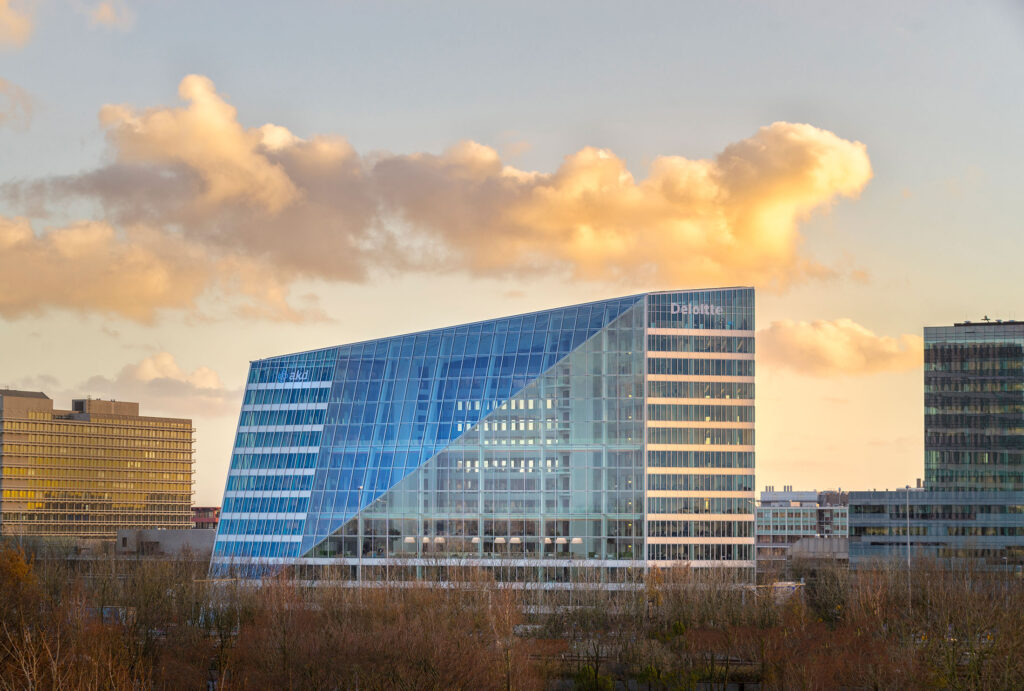
The Edge in Amsterdam is considered one of the greenest buildings in the world. Certified under BREEAM with an “Outstanding” rating, it integrates rainwater harvesting, solar energy, and intelligent building systems that adapt to occupants’ needs.
Although primarily a commercial project, The Edge demonstrates how the certification process can be applied to residential complexes, setting a global benchmark for sustainable design.
2. Sonoma GreenPoint Home, California
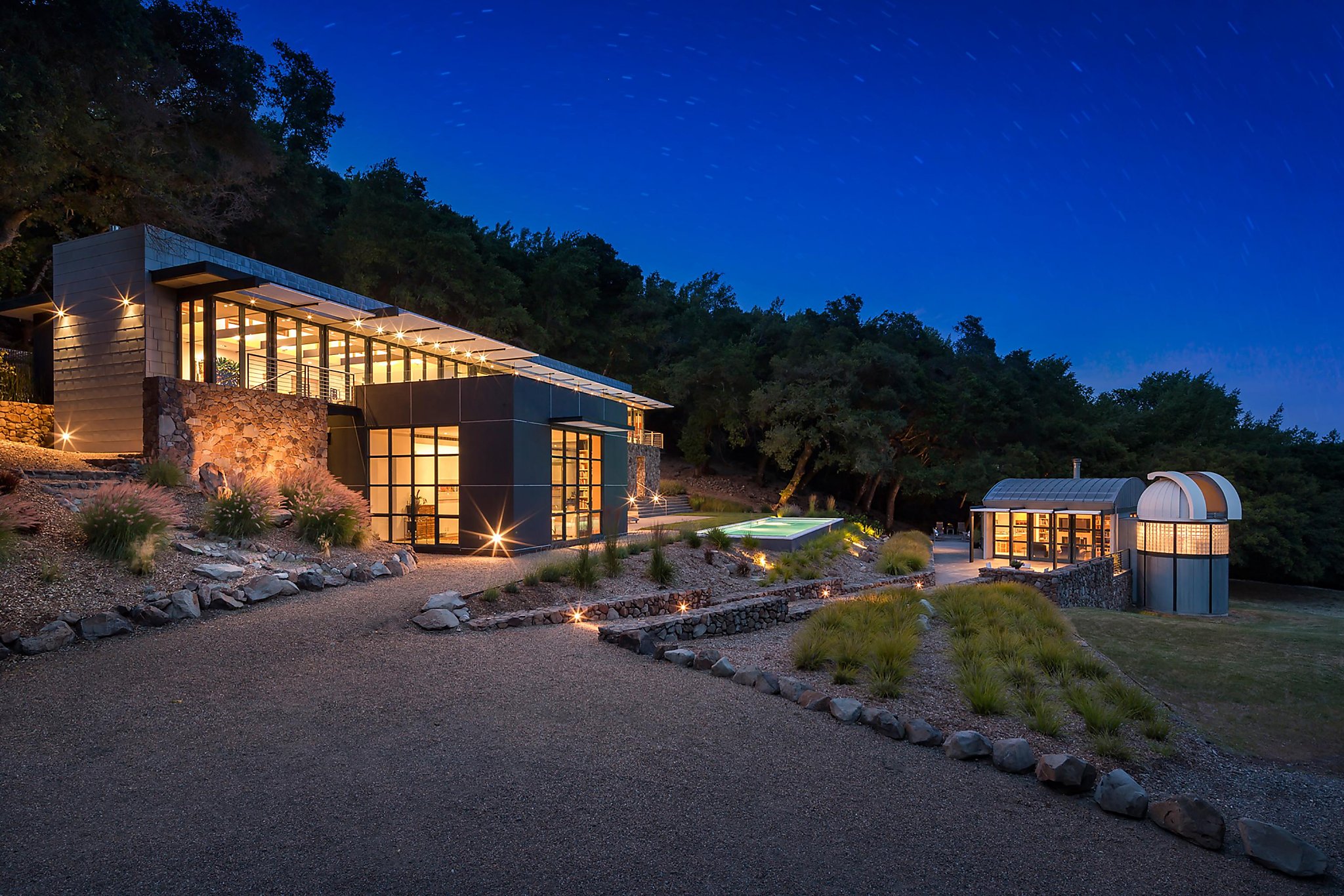
The Sonoma GreenPoint Home was certified under California’s GreenPoint Rated program, focusing on energy efficiency, resource conservation, and indoor air quality.
Its construction used recycled wood and locally sourced stone, while the landscaping featured drought-resistant plants. Smart irrigation and solar integration further reduced water and energy consumption. This project highlights how regional certification systems can adapt to local environmental needs.
3. BedZED Eco-Village, London
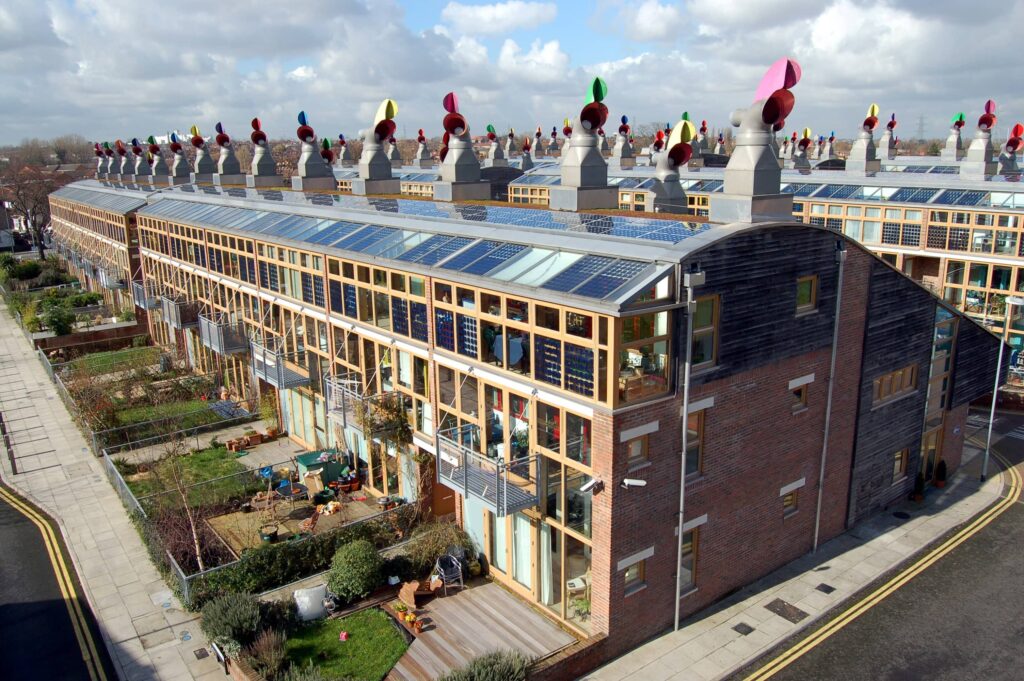
The BedZED (Beddington Zero Energy Development) project is a pioneering sustainable housing community in the UK. It earned BREEAM certification for its innovative use of passive heating, renewable energy, and carbon-neutral design.
Homes within BedZED use thick insulation, triple-glazed windows, and natural ventilation systems, reducing energy use by nearly 80% compared to typical homes. The development demonstrates how collective green certification can elevate community-level sustainability.
4. The Grow Community, Bainbridge Island, USA
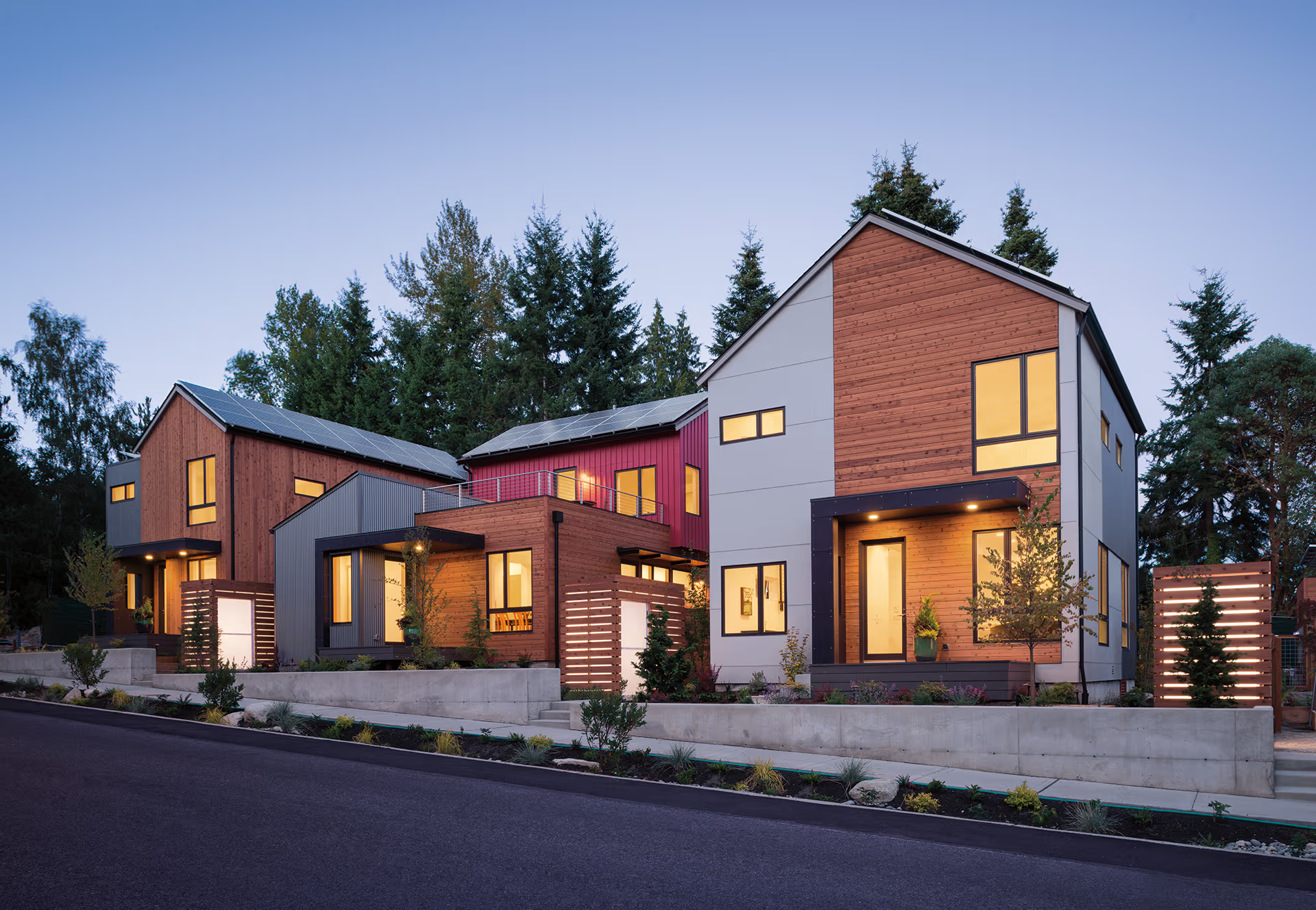
The Grow Community in Washington State features LEED Platinum-certified homes designed for net-zero energy performance. It combines solar panels, efficient insulation, and shared green spaces to foster a sense of environmental stewardship among residents.
The certification process for the Grow Community focused on long-term livability, community health, and minimal environmental impact perfect example of how sustainability extends beyond individual homes.
Benefits of the Green Home Certification Process
Certified green homes deliver substantial benefits that go beyond aesthetics or marketing appeal.
First, they reduce energy and water consumption, lowering both carbon emissions and utility costs. Technologies like efficient HVAC systems, low-flow fixtures, and renewable energy sources enhance performance while minimizing waste.
Second, improved indoor air quality promotes better health. Certified homes often use non-toxic paints, formaldehyde-free materials, and advanced ventilation systems that reduce allergens and pollutants.
Third, durability and long-term value are key advantages. Sustainable materials and design strategies extend a building’s lifespan and decrease maintenance costs. Homeowners benefit from reduced operational expenses and higher resale potential.
Finally, community and environmental impact improve. Certified homes contribute to regional sustainability goals, reduce strain on public infrastructure, and support cleaner ecosystems.
Use Cases: How the Certification Process Solves Real-World Problems
The green home certification process provides practical solutions to pressing global challenges.
For example, in water-stressed regions, certified homes integrate greywater recycling and rainwater harvesting to alleviate pressure on municipal water systems. In urban areas with poor air quality, green-certified homes ensure healthier living environments through ventilation and non-toxic materials.
In regions vulnerable to extreme temperatures, certifications promote passive design-using natural light, airflow, and insulation to maintain comfortable indoor climates without excessive energy use.
Additionally, green certification addresses the broader issue of carbon footprint reduction in construction, one of the largest contributors to global emissions. By establishing measurable performance standards, it holds builders accountable for their environmental impact.
Frequently Asked Questions
Q1. How long does it take to complete a green home certification?
The timeline varies depending on the project’s size and certification level. Typically, residential projects take between six months to one year, including design, construction, and verification phases.
Q2. Can existing homes be certified green?
Yes, many programs, such as LEED for Homes and ENERGY STAR, offer certification options for existing homes undergoing renovation or retrofitting. The process evaluates upgrades like insulation, solar integration, and efficient water systems.
Q3. Is certification mandatory for sustainable homes?
No, certification is voluntary but highly recommended. It provides third-party validation of a home’s sustainability claims, increasing credibility and market value