Multi-Gen Living Design Trends, Benefits, and Real-Life Applications
As family dynamics evolve, multi-gen living–where multiple generations of a family live under one roof-is gaining popularity. This approach fosters closer family connections, shared resources, and efficient use of housing space. This article explores the concept of multi-gen living, including key design trends, practical benefits, real-world examples, and how such homes address modern family challenges.
Understanding Multi-Gen Living
What is Multi-Gen Living?
Multi-gen living refers to households where two or more generations reside together. This setup can include grandparents, parents, adult children, and sometimes even extended relatives. The concept is not entirely new; historically, many cultures have practiced multi-generational living. However, in contemporary contexts, it’s often a strategic choice for economic, social, or caregiving reasons.
Modern multi-gen homes are designed to balance shared family spaces with private areas, ensuring both connection and independence. Flexible floor plans, multiple kitchens, and separate entrances are common features.
Why Multi-Gen Living is Growing
Several factors contribute to the rise of multi-gen living:
-
Economic considerations: Shared housing reduces housing costs and utility expenses.
-
Aging population: Seniors benefit from family support and care without institutionalization.
-
Childcare support: Grandparents provide care, reducing the need for expensive daycare.
-
Cultural preferences: Many cultures value co-living across generations.
-
Housing shortages: Families adapt to limited housing availability by combining households.
This trend reflects the need for flexible, functional housing solutions that cater to diverse family needs.
Key Features and Design Trends in Multi-Gen Homes
Separate Living Spaces and Privacy
One hallmark of a successful multi-gen home is separate living spaces. Homes may include:
-
Independent suites with private bathrooms
-
Secondary kitchens or kitchenette areas
-
Private entrances for added autonomy
By providing privacy while maintaining shared family areas, homes can minimize conflicts and ensure comfort for all residents.
Open Common Areas and Family Interaction
Shared spaces like open-plan living rooms, communal dining areas, and shared backyards encourage interaction. Thoughtful design balances privacy with opportunities for family engagement. Multi-gen homes often use zoning strategies, such as noise buffers, to separate common and private spaces.
Universal Design and Accessibility
Given the likelihood of older adults living in multi-generational homes, universal design principles are increasingly incorporated. Features include:
-
Step-free entrances and wide hallways
-
Lever-style handles and non-slip flooring
-
Accessible bathrooms and adjustable fixtures
These elements ensure safety, convenience, and comfort for all generations.
Real-World Examples of Multi-Gen Living Homes
1. The Suburban Dual-Suite Home
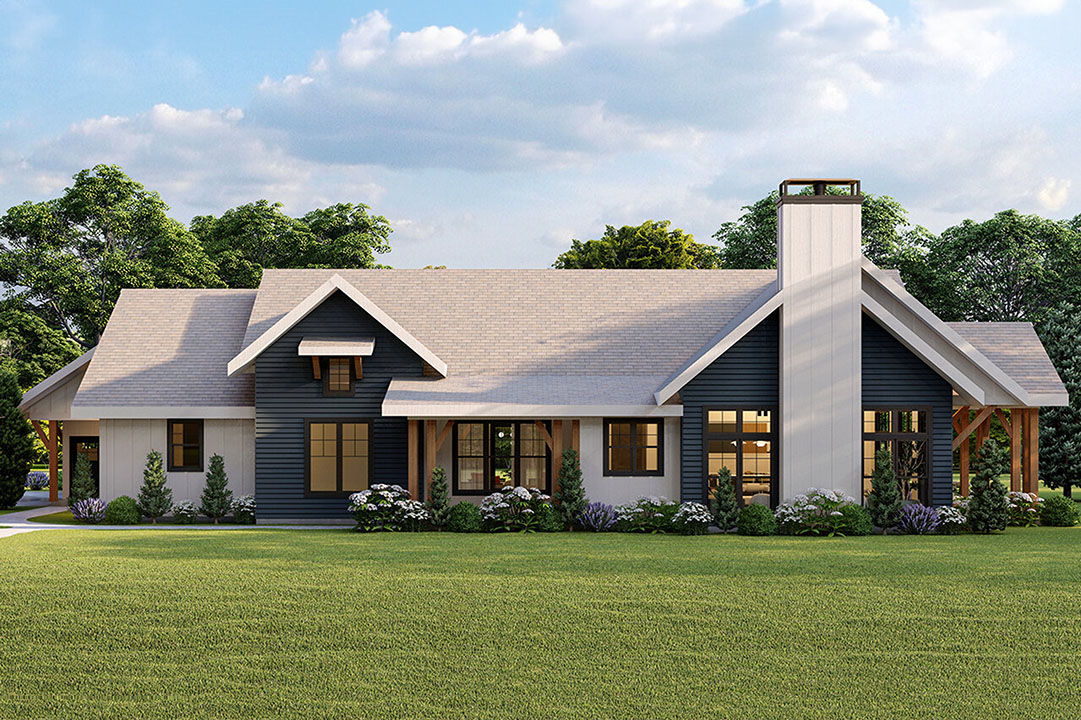
In California, developers have designed suburban homes with dual-suite layouts. These homes feature a main suite for parents and a self-contained suite for adult children or grandparents. Each suite includes a private kitchen and living space, while sharing communal areas like the family room and backyard. This setup reduces intergenerational friction while fostering family cohesion.
2. Urban Multi-Gen Condominiums
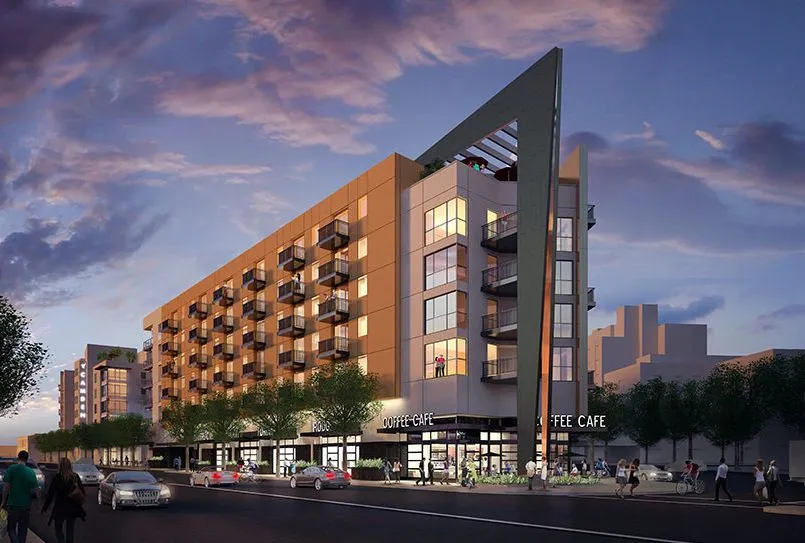
Urban condominiums in New York City are increasingly offering multi-gen configurations. These units include two separate wings, allowing extended family members to maintain independence. Shared amenities like gyms and lounges provide community engagement without intruding on private spaces.
3. Country Estate with In-Law Suite
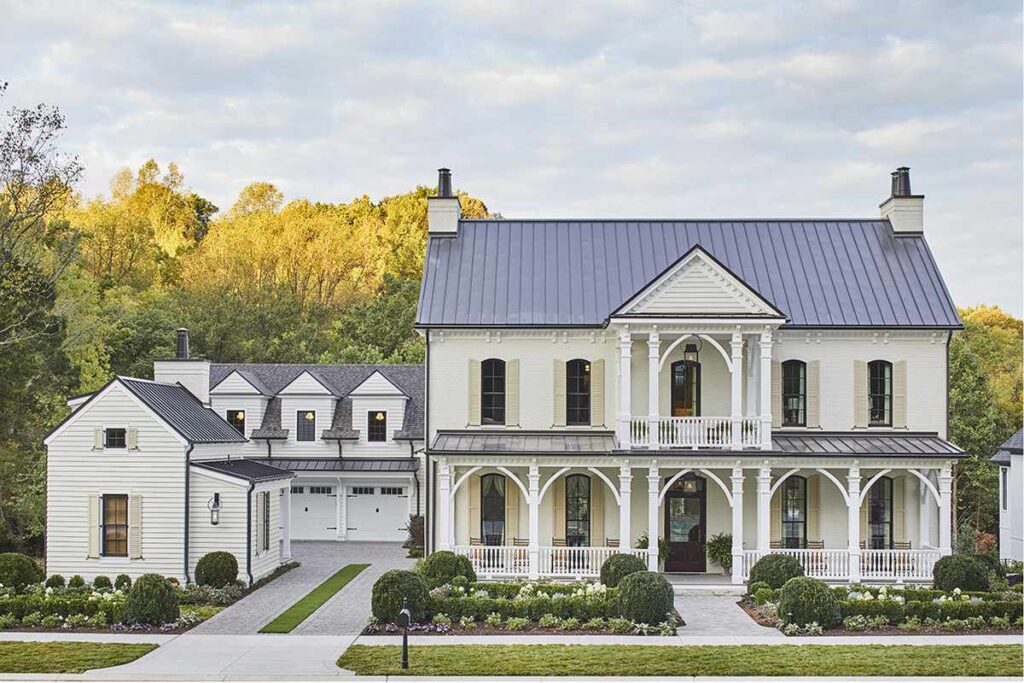
In Texas, a family invested in a country estate with an in-law suite. This addition provides grandparents with a private area connected to the main house via a covered walkway. The layout combines privacy with accessibility, ensuring seniors are nearby but independent. It also allows for social gatherings in expansive shared spaces.
4. Modular Multi-Gen Homes
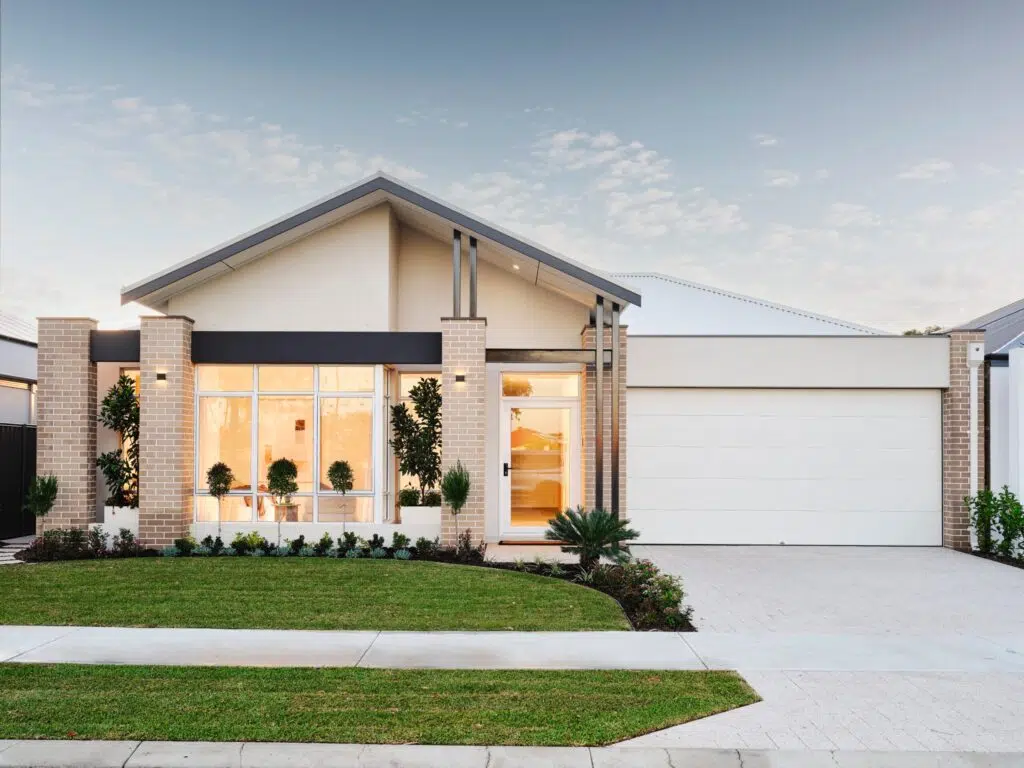
Modular multi-gen homes are gaining popularity in suburban areas. These homes are prefabricated and customizable, allowing families to add independent modules for different generations. They offer cost efficiency, rapid construction, and flexible layouts adaptable to changing family needs over time.
Benefits of Multi-Gen Living
Economic Advantages
Multi-gen homes help families pool resources, reducing housing and utility costs. Shared expenses for food, utilities, and maintenance can result in significant savings. In urban areas, this shared financial model enables families to access higher-quality neighborhoods that might otherwise be unaffordable.
Social and Emotional Benefits
Living with multiple generations fosters stronger family bonds and emotional support. Children benefit from intergenerational mentorship, while seniors experience companionship and care. Multi-gen households often see enhanced communication, shared responsibilities, and mutual assistance.
Practical Advantages
Multi-gen homes provide built-in childcare and eldercare, reducing reliance on external services. This arrangement increases convenience, flexibility, and peace of mind. Homes designed for multi-gen living often include features like multiple bathrooms, secondary kitchens, and adaptable spaces, making day-to-day life smoother for all residents.
Sustainability and Resource Efficiency
Sharing a single home reduces environmental impact. Fewer homes built to accommodate the same number of people means reduced land use, lower energy consumption, and shared utilities. Energy-efficient multi-gen homes maximize these benefits by integrating green building technologies and sustainable materials.
Use Cases and Problem-Solving Scenarios
Use Case 1: Aging in Place
Multi-gen homes support seniors wishing to remain in a familiar environment. Accessible design features, proximity to family support, and shared caregiving reduce the need for assisted living facilities while ensuring safety.
Use Case 2: Childcare Solutions
For working parents, multi-gen living provides access to reliable childcare. Grandparents can supervise children, allowing parents to work without additional childcare costs. This setup is particularly useful for families in high-cost urban areas.
Use Case 3: Economic Efficiency During Housing Shortages
During housing crises, combining households can alleviate financial pressure. Multi-gen homes allow families to share rent or mortgage costs while maintaining functional, comfortable living arrangements.
Use Case 4: Family Support During Life Transitions
Multi-gen homes accommodate life events such as job changes, divorce, or university attendance. Adult children may move back home temporarily, seniors may require assistance, and family cohesion is maintained without sacrificing autonomy.
Frequently Asked Questions (FAQ)
Q1: How is a multi-gen home different from a standard home?
A: Multi-gen homes are designed for multiple generations, often including private suites, secondary kitchens, and additional bathrooms, while balancing communal spaces for interaction. Standard homes typically do not consider independent living areas for separate family units.
Q2: Can any home be adapted for multi-gen living?
A: While new construction allows the most flexibility, existing homes can be adapted with renovations such as in-law suites, basement apartments, or modular additions to create private spaces for different generations.
Q3: Are multi-gen homes more expensive to build?
A: Initial construction costs can be higher due to additional kitchens, bathrooms, or separate suites. However, shared living reduces long-term household expenses and can be more economical than maintaining multiple separate residences.