Multigenerational Families Living Together A Modern Approach to Connected Living
The concept of multigenerational families living together has evolved from a traditional necessity to a modern lifestyle choice. As housing costs rise and family dynamics shift, more people are discovering the emotional, financial, and practical advantages of shared living across generations.
This in-depth guide explores the meaning of multigenerational living, its benefits, challenges, design considerations, and how technology is shaping a new era of family-oriented housing solutions.
Understanding Multigenerational Living
What Does It Mean to Live in a Multigenerational Family Home?
A multigenerational household typically includes two or more adult generations living under the same roof-often grandparents, parents, and children. This living arrangement is becoming increasingly common in the United States, Canada, and other developed countries due to social, economic, and cultural factors.
Unlike in the past, where shared living was driven by economic need, today’s multigenerational households are often formed intentionally. Families are recognizing the value of shared caregiving, emotional support, and collective resource management.
According to Pew Research, nearly 60 million Americans now live in multigenerational households-a number that continues to grow each year.
Why Families Choose to Live Together Across Generations
Several key factors drive the trend of multigenerational living:
-
Rising housing costs and inflation.
-
Increased life expectancy and elder care needs.
-
Desire for family closeness and shared responsibilities.
-
Cultural traditions that emphasize collective family living.
This trend reflects a shift from individualistic living to a model that prioritizes connection, interdependence, and financial efficiency.
The Benefits of Multigenerational Families Living Together
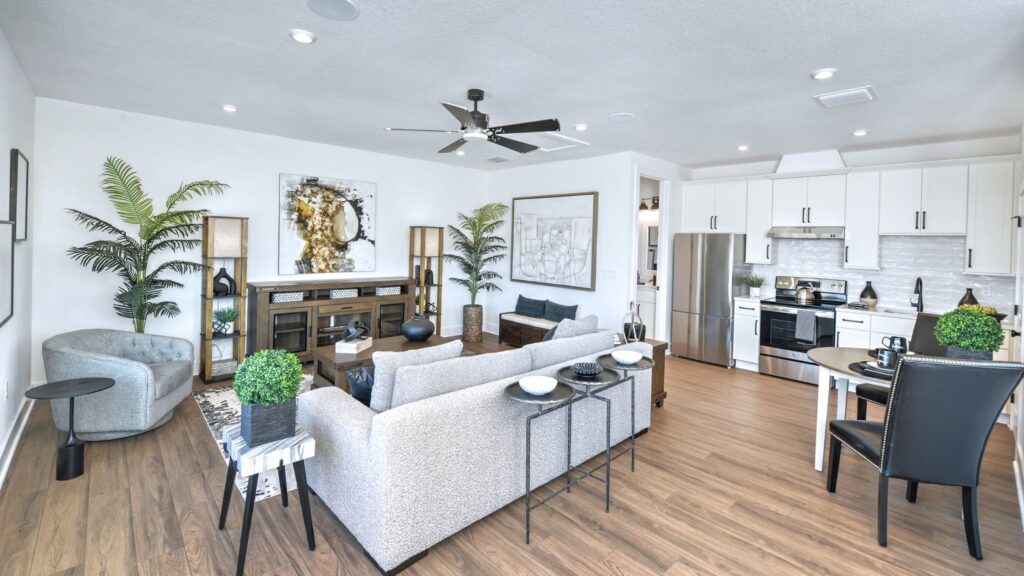
Emotional Support and Family Bonding
Living together fosters stronger emotional bonds among family members. Elderly parents enjoy companionship and active participation in family life, while children benefit from having grandparents as mentors and caregivers.
Shared daily experiences-from cooking meals to celebrating milestones-create a nurturing environment where relationships flourish. This sense of unity strengthens mental health and reduces isolation, particularly for seniors.
Financial Efficiency and Resource Sharing
Combining financial resources allows families to reduce overall expenses. A shared home often means one mortgage, one set of utility bills, and shared groceries-resulting in significant monthly savings.
Pooling incomes also enables families to afford larger, higher-quality homes equipped with features suited to multiple generations. This financial synergy helps younger members save for the future while providing stability for aging relatives.
In-Home Care and Convenience
With multiple adults under one roof, caregiving becomes easier and more accessible. Parents can rely on grandparents for childcare, while adult children can assist aging parents with daily needs.
This setup promotes independence among seniors while reducing the stress of arranging external care or commuting long distances for family support.
Real-World Examples of Multigenerational Families Living Together
1. Lennar’s “Next Gen” – The Home Within a Home
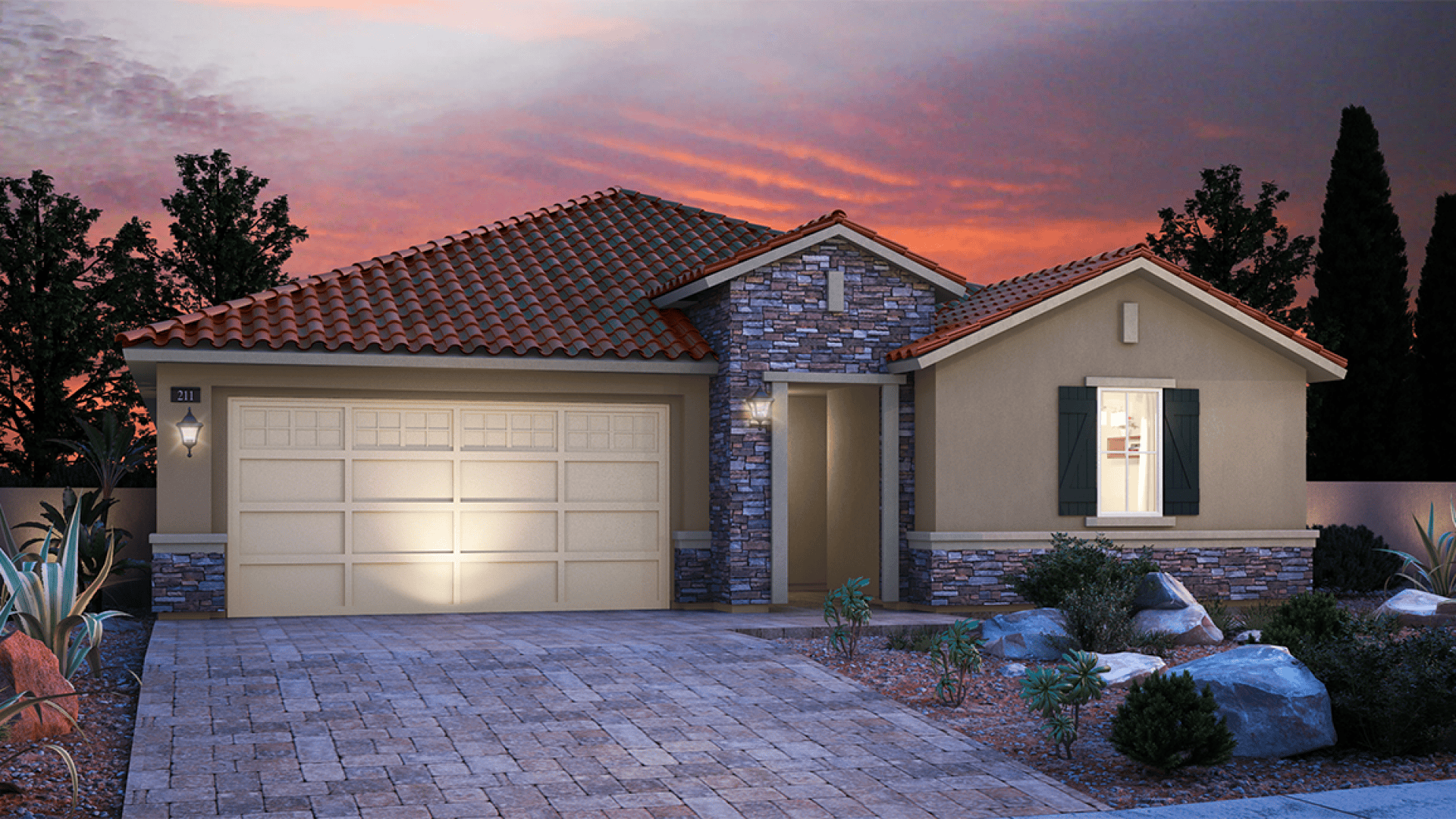
Lennar’s Next Gen homes are one of the most recognized solutions for multigenerational living. These residences feature a fully self-contained suite within the main house, complete with a private entrance, kitchenette, living room, bedroom, and bathroom.
The design balances independence and connection. Older family members or adult children can maintain privacy while being close enough to engage in daily family life. This model is a leading example of how homebuilders are adapting to evolving family dynamics.
2. Pulte Homes’ “Generations” Floor Plans
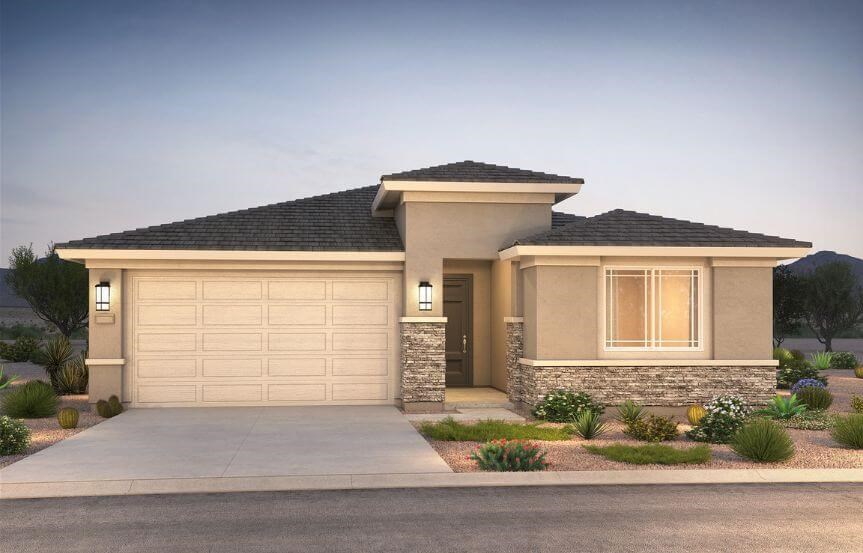
Pulte Homes has developed flexible layouts designed to accommodate multigenerational families. These include options for dual master suites, ground-floor bedrooms for accessibility, and convertible bonus rooms that can serve as living quarters or offices.
The integration of open-concept designs encourages shared living while allowing private spaces for each generation. Additionally, Pulte incorporates energy-efficient appliances and smart home systems that improve comfort and sustainability for large households.
3. Brookfield Residential’s Adaptable Family Homes
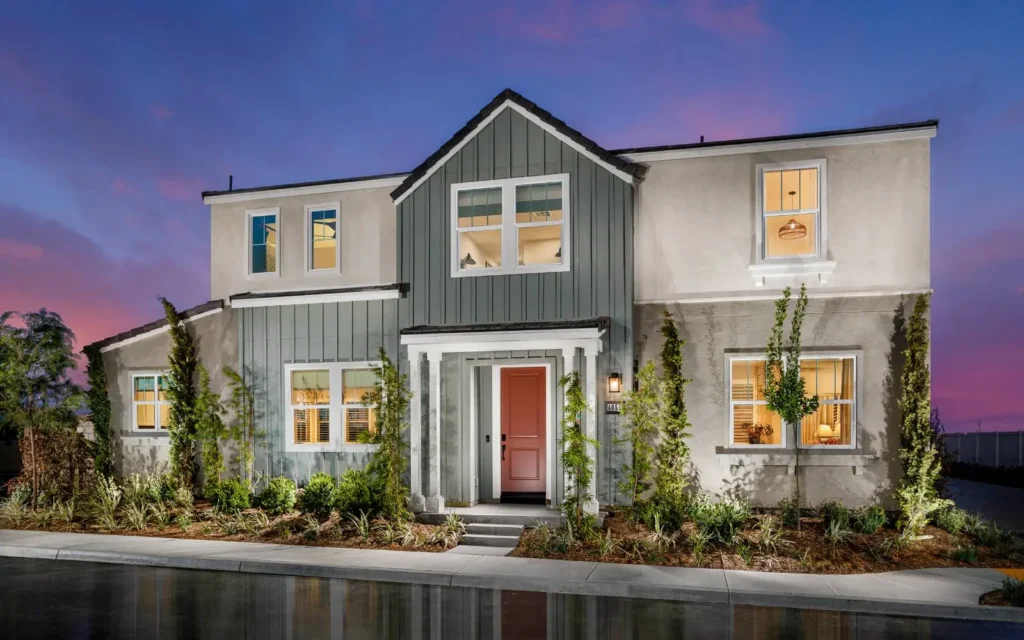
Brookfield Residential offers flex homes that can evolve with the family’s changing needs. Their homes often include secondary suites, separate entrances, and flexible spaces that can transition from guest rooms to long-term family accommodations.
These homes are built with advanced technologies, including smart thermostats, app-controlled lighting, and energy monitoring systems. This integration enhances safety and convenience for families living together across multiple age groups.
Technology and Modern Design in Multigenerational Living
Smart Home Technology for Comfort and Accessibility
Smart technology plays a vital role in making multigenerational living efficient and comfortable. Voice-controlled lighting, remote thermostats, and smart locks enable family members of all ages to manage home functions with ease.
For seniors, smart sensors and medical alert devices can enhance safety. These systems monitor movement, detect falls, and allow quick communication with caregivers-providing peace of mind to the entire family.
Accessible and Flexible Layout Design
Modern multigenerational homes emphasize universal design, ensuring accessibility for everyone. Features such as step-free entries, wide doorways, and barrier-free showers allow older adults to live independently without needing major home modifications later.
At the same time, flexible design elements-such as convertible rooms, secondary kitchens, or dual laundry spaces-support privacy and functionality. These thoughtful design choices make daily living smoother for diverse age groups.
Practical Benefits and Real-Life Use Cases
Supporting Aging Parents
For families caring for elderly relatives, multigenerational living offers convenience and compassion. Parents can provide in-home support without isolating seniors in separate care facilities.
These arrangements promote emotional health by keeping older adults engaged in family activities while ensuring they receive assistance when needed. Homes with accessible bathrooms, single-level living areas, and connected suites make this transition seamless.
Helping Adult Children Transition to Independence
Young adults facing high rent or student debt can benefit immensely from living in a multigenerational home. It provides financial breathing room while they pursue education or early career goals.
At the same time, it allows them to contribute to household responsibilities, build life skills and financial discipline while maintaining an emotional connection with the family.
Raising Children in a Supportive Environment
Children growing up in multigenerational homes experience intergenerational learning. They receive guidance from grandparents, develop empathy for aging relatives, and benefit from consistent caregiving support.
This lifestyle promotes cultural continuity, emotional stability, and a broader understanding of family values-elements that single-generation homes often lack.
Challenges of Multigenerational Living and How to Overcome Them
Maintaining Privacy and Boundaries
One of the main challenges is balancing shared spaces with personal privacy. Families must establish clear boundaries for using common areas, quiet times, and responsibilities.
Architectural design can alleviate this issue by including separate suites, additional bathrooms, or soundproof walls. Open communication and respect for personal routines are also essential.
Managing Different Lifestyles and Routines
Each generation has distinct habits-work schedules, parenting styles, or dietary preferences. To minimize friction, families can designate shared meal times and agree on household responsibilities that accommodate everyone’s needs.
Collaborative decision-making ensures a harmonious balance between individuality and togetherness.
The Future of Multigenerational Living
The growing demand for multigenerational homes reflects a long-term shift toward more sustainable and connected living. Builders are expected to introduce even more adaptable home models with modular layouts, renewable energy integration, and wellness-focused designs.
In addition, urban planning is beginning to accommodate this trend through zoning adjustments and community developments that encourage shared living arrangements.
Multigenerational living is no longer just a cultural tradition-it’s becoming a modern housing solution that blends emotional connection, practicality, and sustainability.
Frequently Asked Questions
Q1. What are the main advantages of multigenerational living?
The primary benefits include stronger family bonds, shared financial responsibilities, and easier caregiving for both children and elderly relatives. Families also enjoy emotional security and a more efficient use of shared resources.
Q2. How can technology support multigenerational households?
Smart home technologies such as voice assistants, remote monitoring, and automation systems enhance convenience and safety. Multigenerational Families Living Together. They help older adults maintain independence while keeping families connected through shared management of the home.
Q3. What design features make a home suitable for multiple generations?
Ideal multigenerational homes feature flexible layouts, private suites, accessible bathrooms, and communal living spaces. Separate entrances and adaptable floor plans allow families to coexist comfortably while maintaining personal privacy.