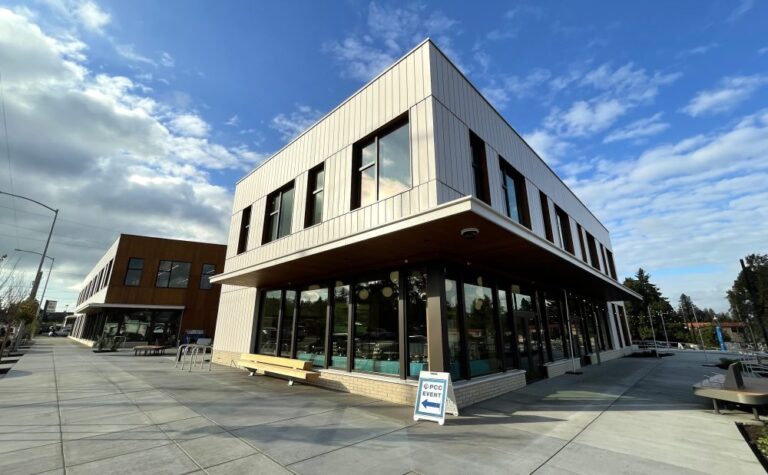
Multigenerational Housing Design Innovations, Benefits, and Real-World Applications
The demand for multigenerational housing has been steadily increasing as families seek living arrangements that balance privacy, connection, and financial practicality. With aging populations, rising housing costs, and shifting family values, this trend reflects a broader shift toward adaptable, inclusive living environments. This article explores what multigenerational housing means, its design principles, technological integrations, benefits, and real-world examples illustrating its growing importance in modern society.
Understanding Multigenerational Housing
What is Multigenerational Housing?
Multigenerational housing refers to homes that accommodate multiple generations under one roof, typically grandparents, parents, and children, though extended family members are often included. Unlike traditional single-family homes, multigenerational properties are designed to provide both shared communal areas and private independent spaces, allowing each generation to live comfortably while maintaining close family connections.
This concept isn’t new; in fact, it reflects traditional living arrangements in many cultures where family unity and interdependence are valued. However, in the 21st century, it has re-emerged as a modern solution to economic, social, and caregiving challenges.
Why Multigenerational Homes Are Rising in Popularity
Several key factors explain the growing interest in multigenerational living:
-
Economic factors: Shared expenses make it easier to afford larger or higher-quality homes.
-
Aging population: Many seniors prefer “aging in place” rather than moving to assisted living facilities.
-
Childcare support: Families benefit from built-in childcare provided by grandparents.
-
Cultural values: Many ethnic communities emphasize family togetherness across generations.
-
Housing affordability: In high-cost cities, combining households helps address the affordability crisis.
By blending economic practicality with emotional closeness, multigenerational housing has become a sustainable housing model for modern families.
Design Innovations in Multigenerational Homes
Flexible and Adaptive Floor Plans
Modern multigenerational homes emphasize adaptable floor plans that can evolve with family needs. Architects often incorporate:
-
Dual master suites for parents and grandparents.
-
Separate entrances to maintain privacy.
-
Private kitchens or kitchenettes for independent living.
-
Shared family areas for social connection.
The goal is to maintain a sense of independence for each generation while encouraging shared family experiences in open, welcoming spaces.
Accessibility and Universal Design
Because many multigenerational homes include elderly residents, accessibility is crucial. Universal design principles are used to create homes that accommodate all ages and mobility levels. These designs may include:
-
Step-free entrances and wider hallways.
-
Lever door handles and easy-to-reach storage.
-
Barrier-free showers and smart lighting systems.
Universal design not only supports elderly family members but also increases the long-term value and usability of the property.
Technology Integration for Comfort and Safety
Smart home technology plays a transformative role in multigenerational housing. Features such as voice-controlled assistants, smart thermostats, automated lighting, and home monitoring systems enhance convenience and safety for all generations.
For example, motion sensors can alert caregivers if an elderly resident has fallen, while video doorbells provide added security for families with children. These technologies foster independence for seniors while offering peace of mind to their loved ones.
Real-World Examples of Multigenerational Housing
1. Lennar’s “Next Gen” Homes
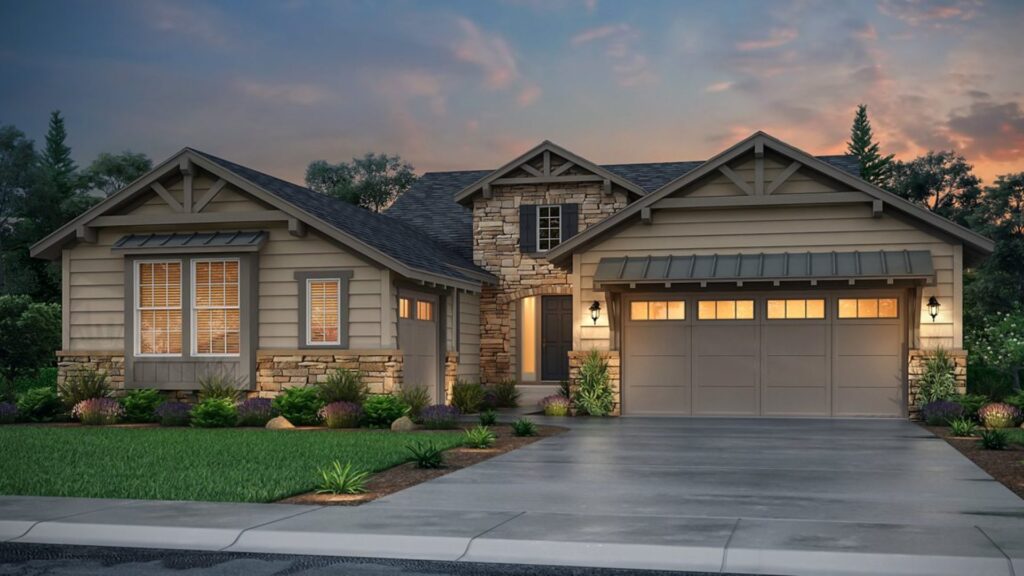
Lennar, one of the largest homebuilders in the U.S., pioneered the Next Gen – The Home Within a Home® concept. These homes feature a private suite complete with a bedroom, bathroom, living area, and kitchenette, attached to the main house. The design allows families to live together while maintaining privacy.
The Next Gen layout is especially popular among families caring for elderly parents or adult children returning home. This model exemplifies how large-scale developers are embracing the multigenerational trend to meet evolving family needs.
2. Urban Infill Multigenerational Apartments
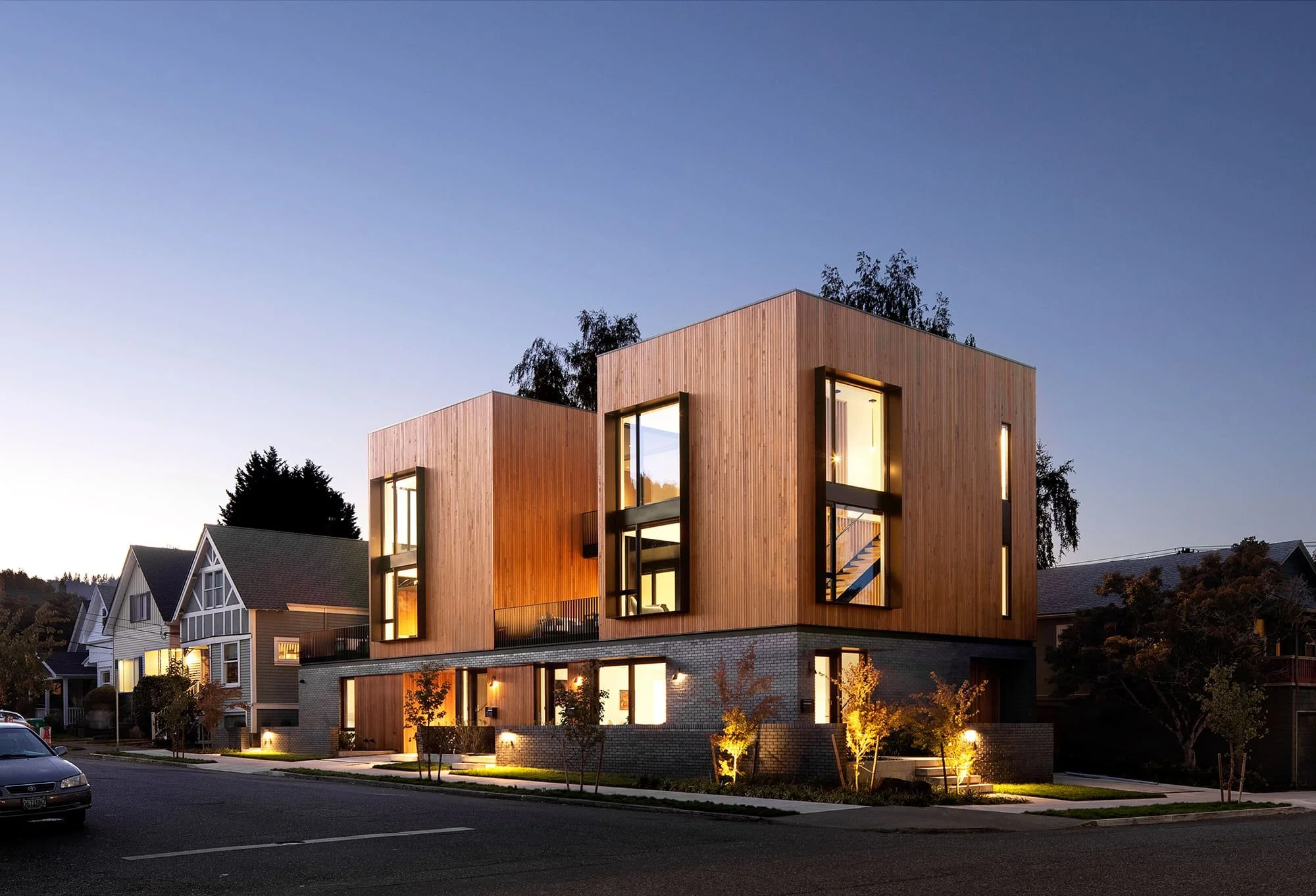
In urban areas like Toronto and Seattle, architects are reimagining high-density living with multigenerational apartment units. These designs feature connected apartments with shared common spaces, allowing extended families to live close together in city environments.
These projects highlight how multigenerational housing isn’t limited to suburban settings-it’s adaptable even in compact urban landscapes where space is at a premium.
3. The Custom “Granny Flat” Extension
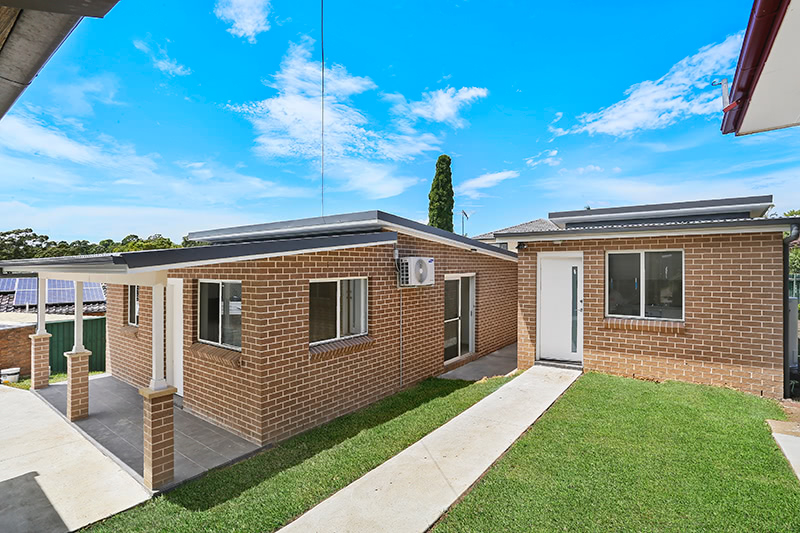
A growing number of homeowners are adding Accessory Dwelling Units (ADUs)-commonly called granny flats or in-law suites-to existing properties. These small, self-contained units offer independent living for grandparents or adult children.
They often include private kitchens, bathrooms, and living areas but remain connected to the main home for convenience and family interaction. This approach provides flexibility while maintaining family proximity and shared resources.
4. Modular Multigenerational Homes
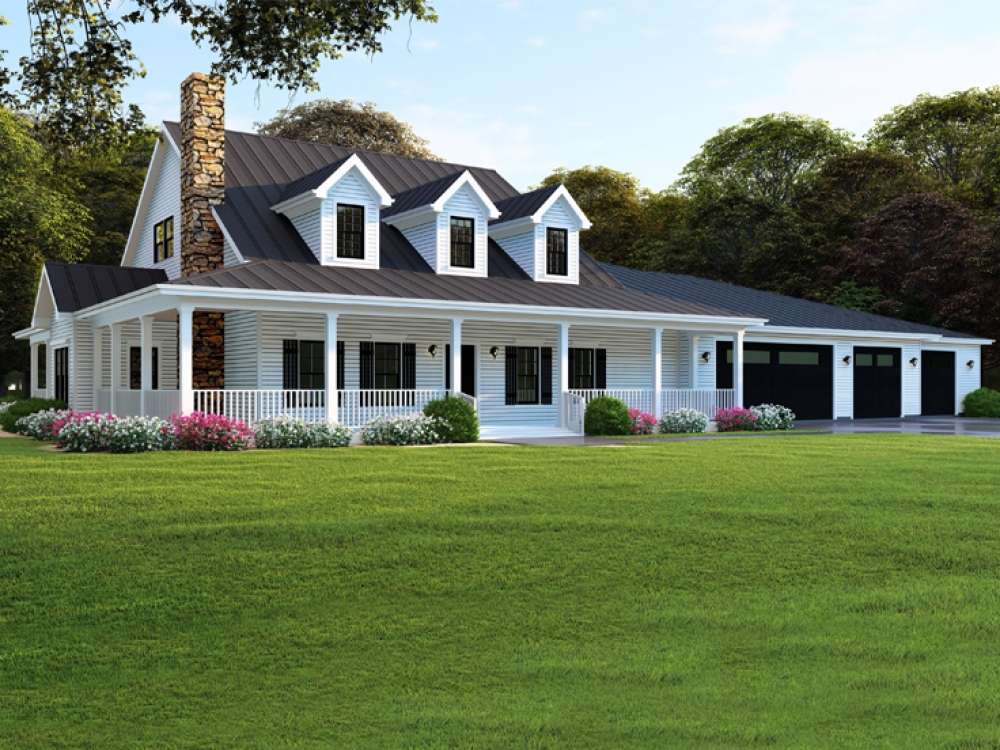
Modular home builders are creating customizable multigenerational designs with pre-fabricated components. Families can add or remove sections over time as needs change. For example, a detached studio can later become a guest house, office, or suite for elderly parents.
This modular flexibility supports sustainable living while minimizing construction time and costs.
Benefits of Multigenerational Housing
Economic and Financial Benefits
Multigenerational homes significantly reduce the financial burden of living expenses. Families can share mortgage payments, property taxes, and utilities, making it easier to live in desirable neighborhoods. Pooling resources can also allow for investment in larger homes or better-quality amenities.
Additionally, adult children can save money while supporting their parents, and seniors can avoid the high costs of assisted living facilities. The shared economic model strengthens family resilience in uncertain economic climates.
Emotional and Social Benefits
Living under one roof enhances intergenerational relationships. Children benefit from the wisdom and experience of their grandparents, while seniors enjoy companionship and purpose. Families that live together often report improved communication, stronger emotional bonds, and reduced feelings of isolation among older adults.
This arrangement also promotes shared responsibilities, such as caregiving, cooking, and household maintenance, which helps distribute workloads fairly across family members.
Practical and Lifestyle Advantages
From built-in childcare to flexible work-from-home setups, multigenerational living provides numerous lifestyle conveniences. Elderly residents receive support with daily activities, while younger adults gain reliable help with children. Families can celebrate milestones together without long-distance travel, enriching their daily lives.
Moreover, the design of these homes can evolve-bedrooms can convert to offices, suites can transition to guest areas, and layouts can adjust to new family structures.
Sustainability and Resource Sharing
By sharing a single residence, families naturally reduce energy consumption and resource waste. Heating, cooling, and water use are consolidated, making the household more sustainable. Many new multigenerational homes also include energy-efficient technologies such as solar panels, smart climate control, and low-flow fixtures.
This combination of social sustainability and environmental responsibility positions multigenerational housing as a forward-thinking model for the future.
Use Cases and Real-Life Applications
Use Case 1: Caring for Aging Parents
Multigenerational housing provides a solution for families who wish to care for aging parents without moving them to assisted living facilities. A private suite allows seniors to maintain independence while remaining close to family for support and companionship.
Use Case 2: Supporting Adult Children
In today’s economy, many adult children return home after college or during career transitions. Multigenerational homes give them a comfortable space to live independently while contributing to household expenses and responsibilities.
Use Case 3: Childcare and Family Support
Grandparents living in the same household can provide daily childcare assistance, allowing parents to work full-time without relying heavily on paid services. This intergenerational support fosters stability and reduces financial pressure.
Use Case 4: Long-Term Family Planning
Families often see multigenerational homes as long-term investments. Homes designed with flexible layouts can adapt over decades, accommodating different stages of family life-from newborns to retirees.
Frequently Asked Questions (FAQ)
Q1: What makes a house suitable for multigenerational living?
A: A suitable multigenerational home includes both private and shared spaces, such as separate bedrooms or suites, multiple bathrooms, and shared family areas. Accessibility features and flexible layouts also enhance functionality.
Q2: Is multigenerational housing only for large families?
A: Not at all. Even small families benefit from multigenerational living. Many homeowners add secondary suites or ADUs for one or two relatives, providing flexibility without overcrowding.
Q3: Does multigenerational housing increase property value?
A: Yes. Homes designed for multiple generations often have higher resale value due to the growing demand for adaptable living spaces. Buyers see added potential for rental income or future family use.