Rainwater Harvesting Homes Sustainable Water Management for the Future of Living
Rainwater harvesting homes are designed to collect, store, and reuse rainwater for domestic purposes. As water scarcity becomes an increasing concern across the globe, homeowners and developers are turning to rainwater harvesting systems as a sustainable solution. These systems not only conserve natural resources but also reduce dependency on municipal water supplies.
In a typical rainwater harvesting setup, rainfall is collected from rooftops or other surfaces, filtered to remove debris, and stored in underground or above-ground tanks. The harvested water can be used for irrigation, laundry, flushing toilets, or even drinking-depending on the filtration system in place.
The concept aligns perfectly with modern eco-friendly housing goals, blending sustainability, cost efficiency, and self-sufficiency. Homeowners adopting this practice contribute to environmental conservation while enjoying greater control over their water usage.
The Growing Importance of Rainwater Harvesting in Modern Housing
Climate change and rapid urbanization have intensified global water challenges. In many regions, groundwater reserves are depleting faster than they can recharge. Rainwater harvesting homes present a viable solution by capturing natural precipitation and storing it for reuse, easing pressure on traditional water sources.
Furthermore, integrating rainwater harvesting into home design supports green building certifications such as LEED and BREEAM. These homes help communities prepare for droughts, reduce urban flooding, and lower water bills over time.
As governments and environmental agencies promote sustainable urban infrastructure, rainwater harvesting is evolving from an optional feature to a standard component in eco-conscious property developments.
How Rainwater Harvesting Systems Work
A rainwater harvesting system operates through a straightforward yet efficient process involving collection, filtration, storage, and distribution.
-
Collection: Rainwater is gathered from rooftops, terraces, or paved surfaces. Gutters and downpipes channel the water toward the filtration unit.
-
Filtration: Before storage, the water passes through filters to remove leaves, dust, and other contaminants. Advanced filtration units may include sediment filters, UV sterilizers, or charcoal filters for potable water.
-
Storage: Cleaned rainwater is stored in tanks-either underground for temperature control or above ground for accessibility. Tanks are made from materials such as polyethylene, concrete, or fiberglass.
-
Distribution: The stored water is pumped to various parts of the house, such as toilets, gardens, or washing machines, through a dedicated plumbing network.
Modern systems incorporate smart sensors and IoT monitoring tools that track water levels, quality, and usage in real time, allowing for optimized water management.
Technological Advancements in Rainwater Harvesting Homes
Technology has transformed traditional rainwater collection into an intelligent, automated process. Smart rainwater harvesting systems now use digital sensors, filtration automation, and AI-based control panels to enhance efficiency and safety.
One of the most notable innovations is IoT-integrated monitoring, where sensors track rainfall patterns, water levels, and tank health. This allows homeowners to monitor consumption through mobile apps and receive alerts for maintenance or overflow.
Another advancement involves filtration technology. Modern purification systems use multi-stage filters and UV disinfection to make rainwater safe for household use. Combined with solar-powered pumps, these systems minimize both energy and water waste.
Additionally, rainwater blending systems automatically mix harvested water with the municipal supply when necessary, ensuring a steady water flow even during dry periods. These innovations not only make rainwater harvesting homes more convenient but also more sustainable and resilient to climate fluctuations.
Real-World Examples of Rainwater Harvesting Homes
1. The S House, Singapore

Located in one of Asia’s densest urban regions, the S House in Singapore stands out for its efficient use of rainwater harvesting technology. The home’s roof and terrace are designed to channel rainwater directly into an underground cistern.
This stored water is used for gardening, cooling systems, and daily cleaning needs. Combined with solar panels and natural ventilation, the S House achieves near-zero resource waste, making it an exemplary model for tropical urban sustainability.
2. The Changi Airport Eco-Project, Singapore
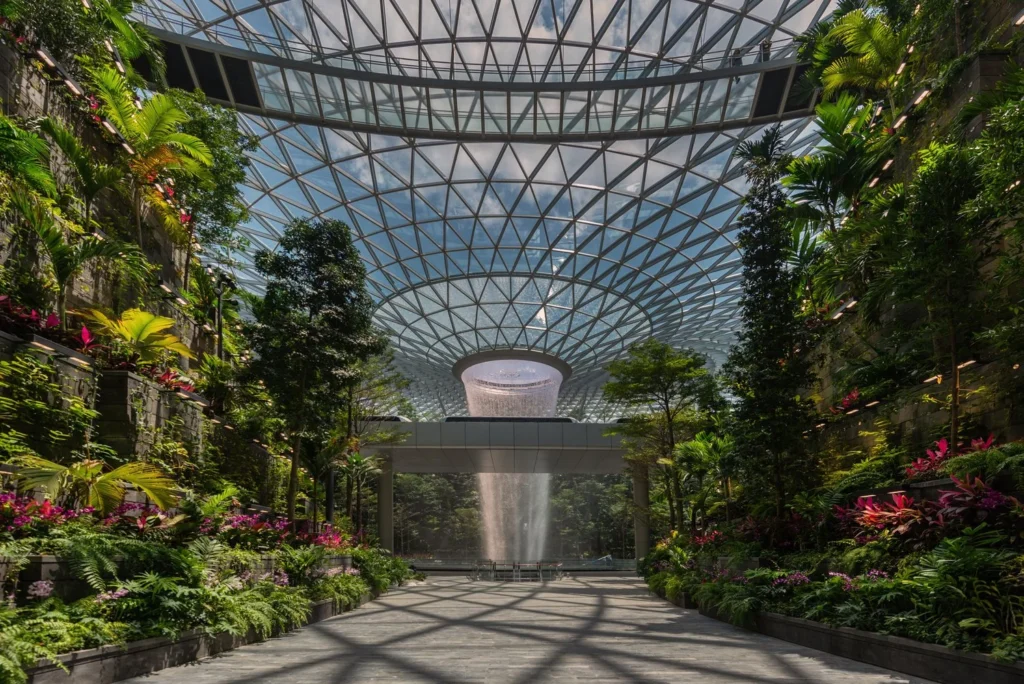
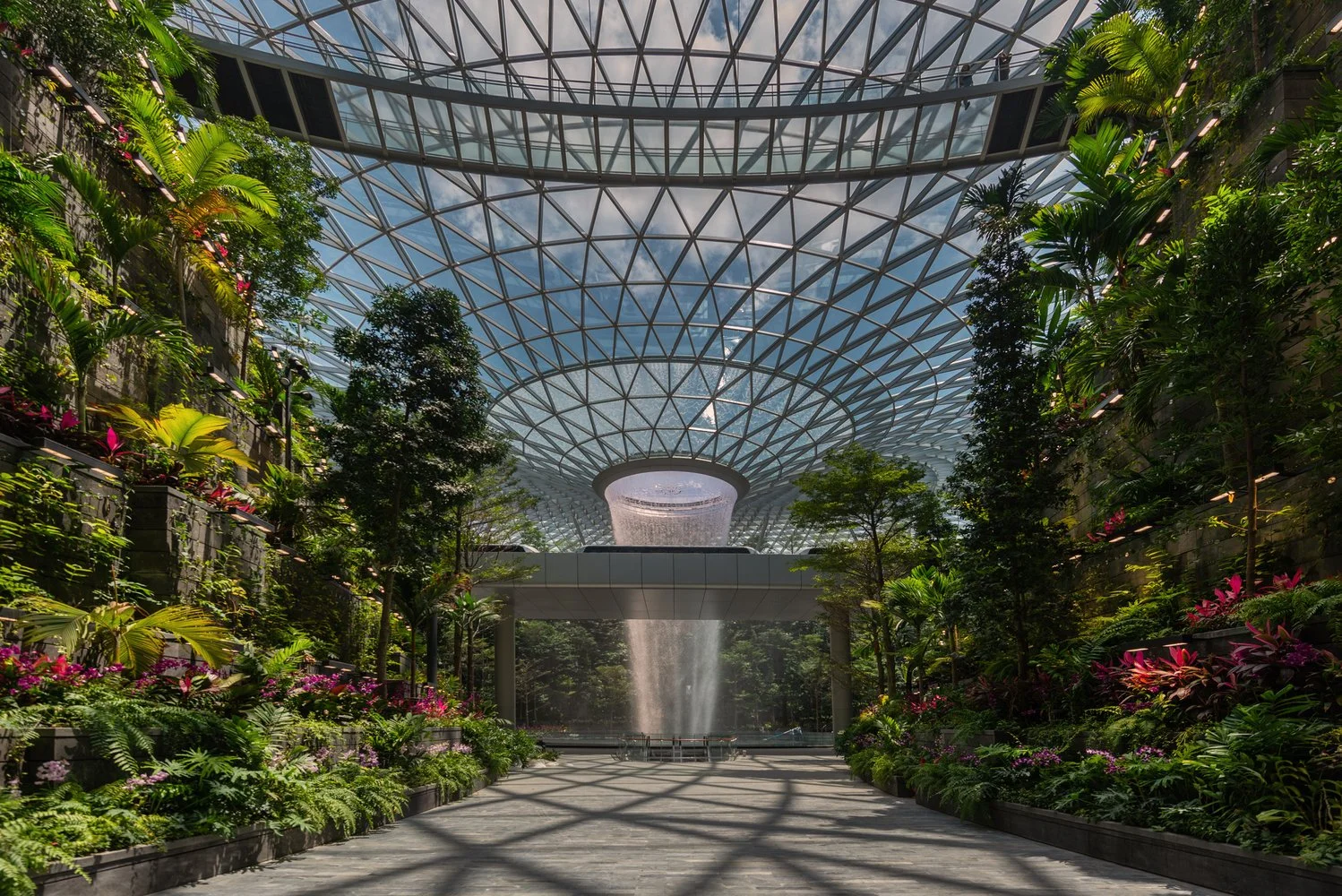
While not a single home, Singapore’s Changi Airport integrates large-scale rainwater harvesting principles that inspire residential design. Collected rainwater supports irrigation and sanitation across the airport, demonstrating the scalability of the concept.
Architectural lessons from such commercial projects have influenced private developers, who now integrate similar systems into residential eco housing.
3. The Green School, Bali, Indonesia
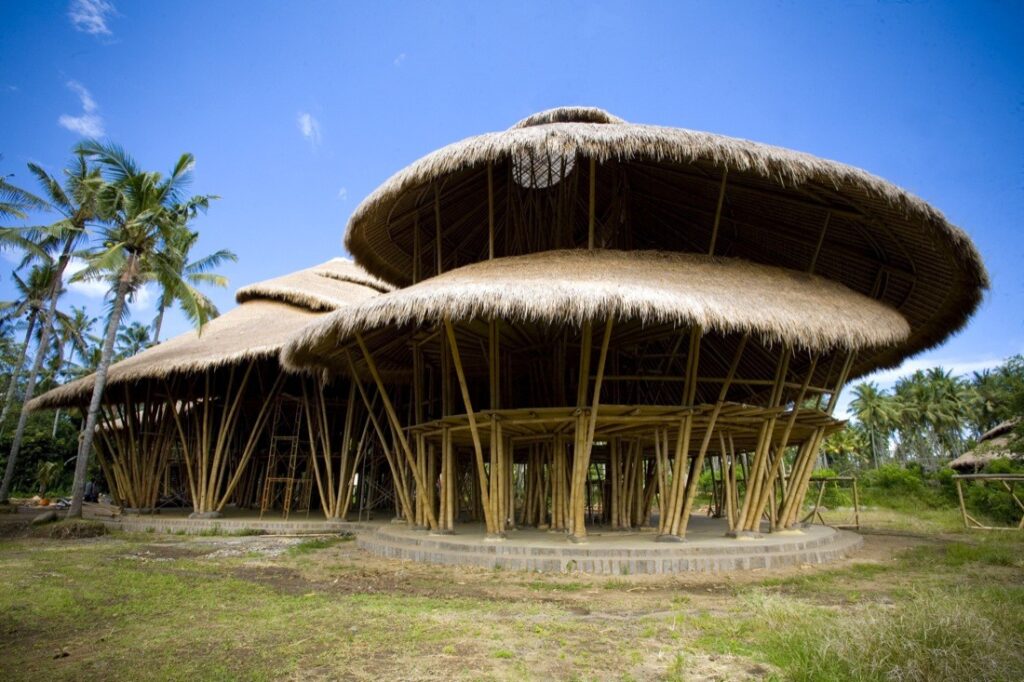
The Green School in Bali is built entirely around sustainable living principles. The campus collects and filters rainwater for daily use, utilizing bamboo gutters and natural filtration systems.
Though an educational facility, it showcases the feasibility of eco-housing design in humid, rain-abundant regions. The system’s simplicity, using gravity-based water flow and natural filtration, can easily be adapted for home installations.
4. Eco-Village at Ithaca, USA
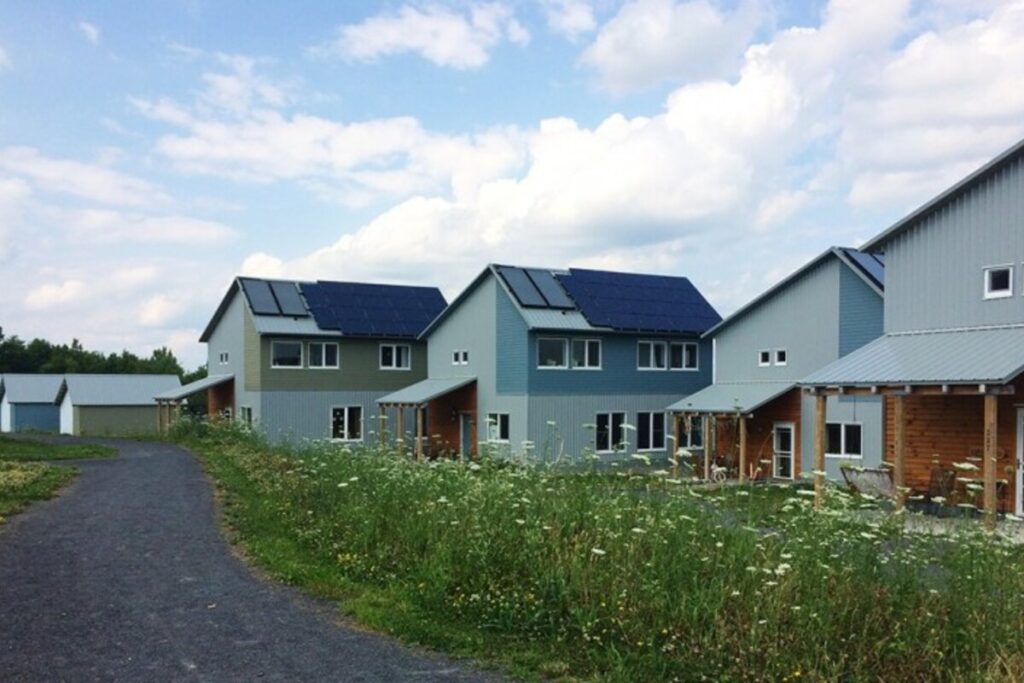
The Eco-Village at Ithaca features dozens of homes equipped with rainwater harvesting and greywater recycling systems. Each residence has rooftop collection units, filtration tanks, and irrigation channels designed to maximize water efficiency.
Residents use collected rainwater for gardens and household chores, reducing the community’s overall water consumption by nearly 50%. This model demonstrates how suburban developments can integrate sustainability without compromising comfort or modern amenities.
Benefits of Rainwater Harvesting Homes
Rainwater harvesting homes offer both environmental and economic advantages, making them a cornerstone of sustainable architecture.
First, they reduce dependency on municipal water systems, conserving limited freshwater resources. This is particularly beneficial in drought-prone or arid regions, where groundwater depletion is a critical issue.
Second, they lower water bills significantly. By using free natural rainfall for non-potable tasks like irrigation or laundry, homeowners save money while promoting environmental responsibility.
Third, stormwater management improves. Collecting rainfall helps prevent flooding and soil erosion in urban areas. This also reduces strain on local drainage systems during heavy downpours.
Finally, increased property value is another advantage. As eco-friendly design gains popularity, homes equipped with sustainable systems attract buyers who value both resilience and environmental stewardship.
Use Cases: Real-Life Problems Solved by Rainwater Harvesting
Rainwater harvesting homes provide practical solutions to several pressing global challenges.
For instance, in regions like California or Australia-where water scarcity is a recurring issue-harvested rainwater provides an independent water source that can sustain essential household needs. Homeowners can maintain gardens and lawns even during drought restrictions.
In urban settings, where stormwater runoff contributes to pollution and flooding, rainwater harvesting systems act as natural buffers. They capture and store excess rain, preventing it from overwhelming drainage networks and carrying contaminants into waterways.
In rural communities, especially in developing nations, these systems deliver a cost-effective method for accessing clean water. When combined with solar energy and filtration, they can create off-grid homes that are fully sustainable and self-reliant.
Moreover, in disaster-prone regions, such as areas hit by hurricanes or typhoons, rainwater harvesting systems can serve as emergency water supplies when infrastructure is damaged. This resilience makes them vital for both environmental and humanitarian reasons.
Frequently Asked Questions
Q1. Is rainwater safe to drink in harvesting homes?
Yes, but it depends on the filtration system used. With advanced multi-stage filtration and UV sterilization, harvested rainwater can be made potable. However, for most households, it’s primarily used for irrigation, laundry, and cleaning.
Q2. How much rainwater can a home collect annually?
The amount depends on factors such as roof size, rainfall volume, and system efficiency. For example, a 100-square-meter roof in a region receiving 1,000 mm of rain annually can collect around 100,000 liters of water.
Q3. Are rainwater harvesting systems expensive to maintain?
No, they are relatively low-maintenance. Regular cleaning of gutters, filters, and tanks ensures long-term efficiency. Smart monitoring systems further reduce the need for manual inspection.