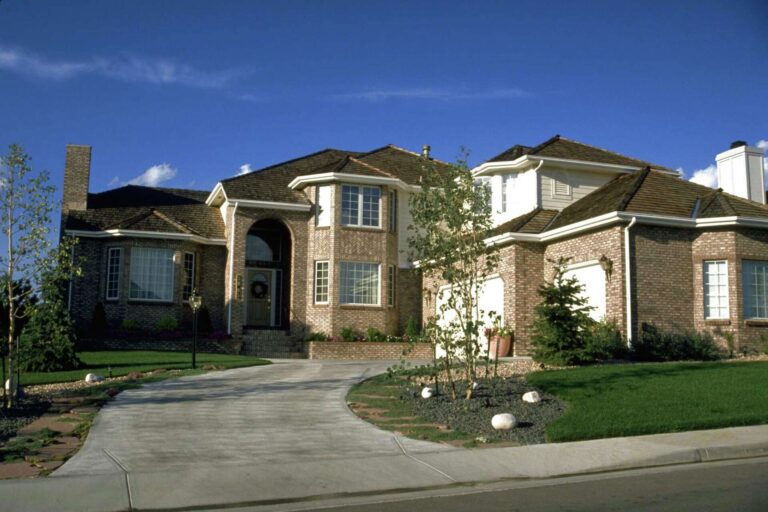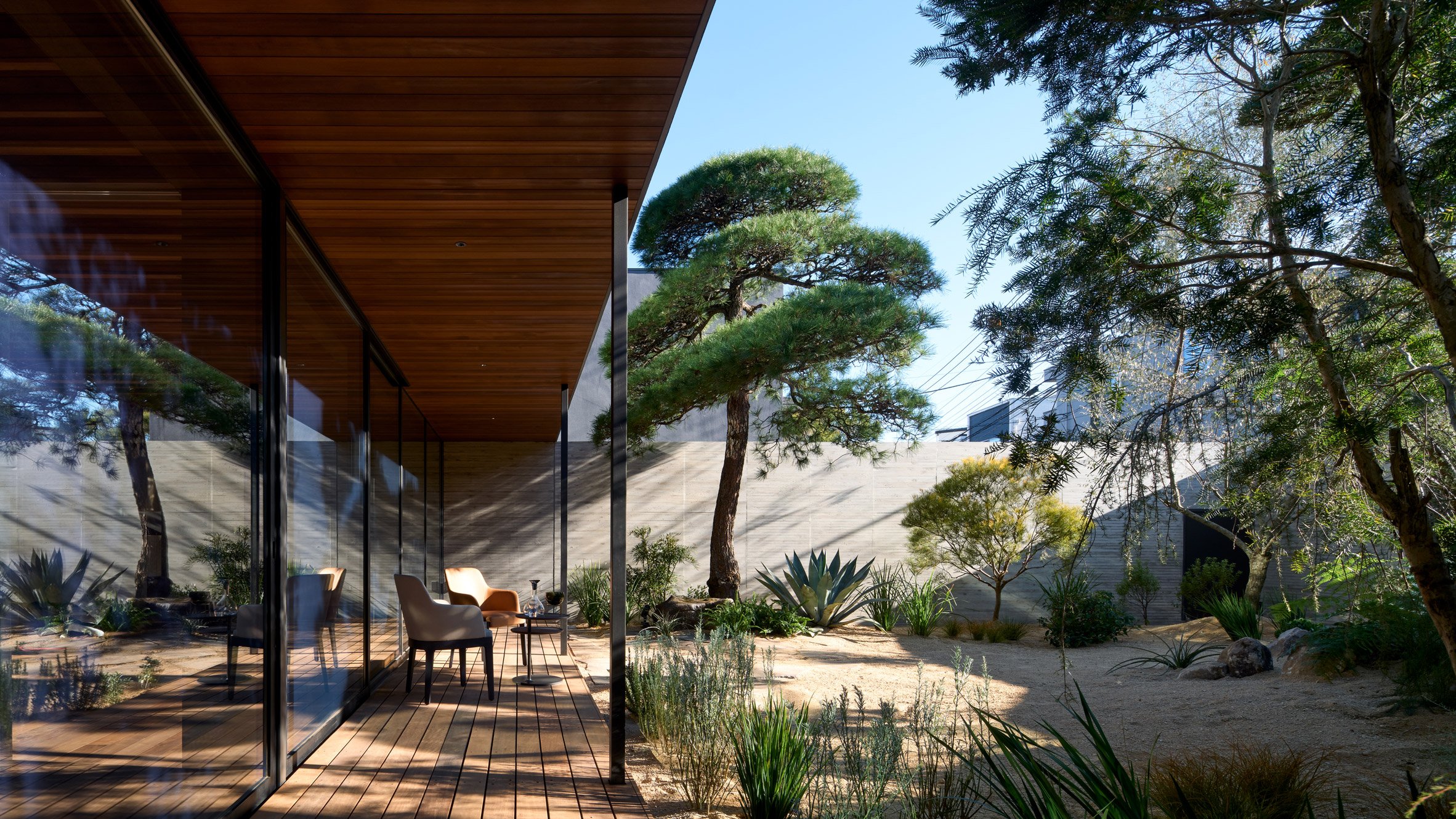
Real Estate Trend Multigenerational Housing and the Future of Family-Centric Living
Real Estate Trend: Multigenerational Housing has emerged as one of the most influential real estate trends in 2025. It represents a shift from traditional single-family homes toward shared living spaces that accommodate multiple generations-often under one roof. This design approach integrates independent living zones while maintaining communal areas where families can connect.
Defined broadly, multigenerational homes are residential properties designed to house grandparents, parents, and children together. These homes feature flexible layouts such as separate suites, dual kitchens, private entrances, or shared family areas. The goal is to blend privacy with proximity, creating an environment where multiple generations can thrive comfortably and efficiently.
The COVID-19 pandemic, housing affordability crisis, and evolving family dynamics have accelerated the popularity of multigenerational housing. Families are rediscovering the value of living together-not only to share costs but also to strengthen emotional bonds and support caregiving needs.
Why Multigenerational Living Is Becoming a Real Estate Trend
Multigenerational living is no longer just a cultural preference-it’s becoming an economic and practical necessity. Real estate developers and architects are adapting to the rising demand for homes that support flexible living arrangements.
One of the primary drivers is affordability. In major cities, housing prices continue to rise faster than income levels. By combining financial resources, families can purchase larger properties that accommodate everyone’s needs. This shared approach makes homeownership attainable for more people.
Additionally, an aging global population has encouraged families to care for elderly parents at home rather than in senior care facilities. This not only saves on long-term care expenses but also ensures stronger family relationships and emotional well-being.
From a cultural perspective, many societies value intergenerational support systems. Living together allows for shared childcare, mentorship, and emotional support-all within a familiar and secure environment.
Architectural Features of Modern Multigenerational Homes
The design of multigenerational homes has evolved beyond traditional floor plans. Builders now emphasize flexibility, accessibility, and privacy to accommodate diverse living arrangements.
Common features include multiple master suites, dual kitchens, separate laundry facilities, and soundproofed living zones. Some designs include attached or detached accessory dwelling units (ADUs), providing independence for older family members or adult children.
Accessibility plays a central role. Features such as step-free entries, wider hallways, single-level living areas, and adaptable bathrooms ensure comfort for all ages and abilities. Meanwhile, open-plan living spaces encourage family gatherings and communication.
Smart design principles-such as natural lighting, efficient use of space, and multi-functional rooms-help make these homes sustainable and pleasant for daily living.
The Role of Smart Technology in Multigenerational Housing
Technology has transformed how families experience multigenerational living. Smart home systems enable comfort, safety, and convenience across different age groups within the same household.
Voice-activated assistants, automated lighting, and smart thermostats make daily life easier for seniors and those with mobility limitations. Real Estate Trend: Multigenerational Housing. Meanwhile, families benefit from interconnected devices that manage energy use, security, and entertainment systems efficiently.
For example, smart security cameras and door sensors allow adult children to monitor aging parents remotely, ensuring safety without intrusion. Similarly, centralized home management apps help coordinate shared chores, deliveries, or maintenance schedules.
These technologies not only enhance independence but also create harmony among residents-making multigenerational homes more functional and future-ready.
Benefits of Multigenerational Housing
Financial Efficiency and Shared Resources
Multigenerational homes offer significant financial benefits. Families can combine income to purchase larger properties, share mortgage payments, and reduce individual financial stress. Shared utility bills, food expenses, and maintenance costs result in overall savings.
This shared approach also enables property owners to invest in higher-quality housing or better neighborhoods. Moreover, homes designed for multigenerational living often have higher resale value, as the trend continues to gain traction in real estate markets worldwide.
Emotional and Social Support
Living together allows for stronger family connections and emotional well-being. Grandparents can assist with childcare, while parents can care for elderly family members. This interdependence creates a nurturing environment where family values are passed down naturally.
For children, growing up with grandparents offers stability and a deeper understanding of family heritage. For older generations, being surrounded by loved ones helps combat loneliness and encourages active aging.
Sustainable and Eco-Friendly Living
Multigenerational housing supports sustainability by maximizing land use and reducing energy consumption per person. Instead of building multiple homes, families utilize shared spaces efficiently.
Additionally, modern designs incorporate energy-efficient materials, solar panels, and green technologies-helping reduce the household’s overall carbon footprint. The combination of shared living and sustainable building practices makes these homes a model for eco-conscious real estate development.
Real-World Examples of Multigenerational Housing Projects
1. Next Gen Homes by Lennar (USA)
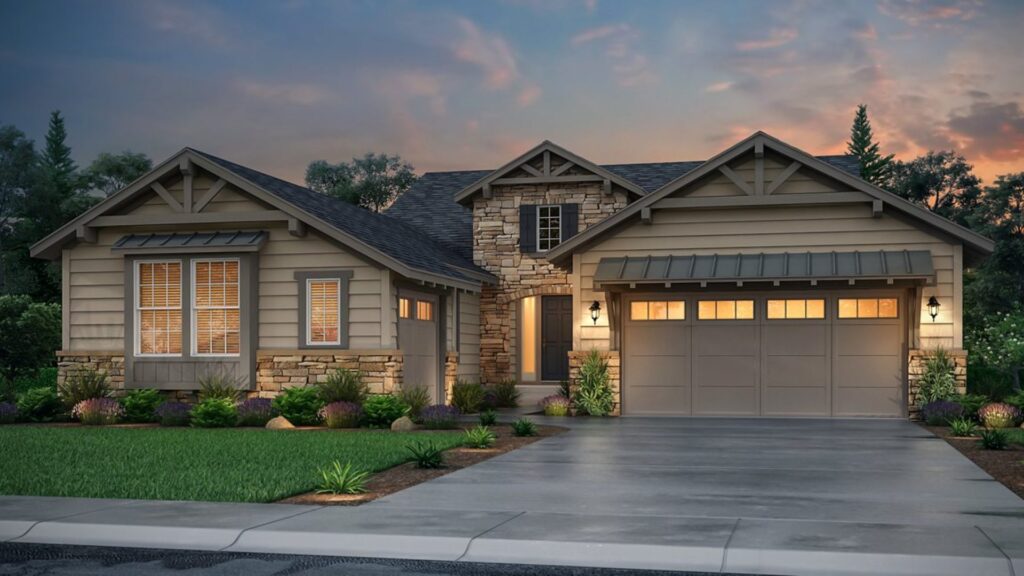
Lennar, one of the largest homebuilders in the United States, pioneered the “Next Gen” home concept-houses designed specifically for multigenerational living. These homes feature an attached private suite with its own living room, kitchenette, and bathroom, allowing privacy while maintaining family proximity.
The concept has been successful in suburban developments across California, Texas, and Florida. It demonstrates how real estate innovation can meet the growing demand for flexible family arrangements.
2. The Boomerang House – Australia
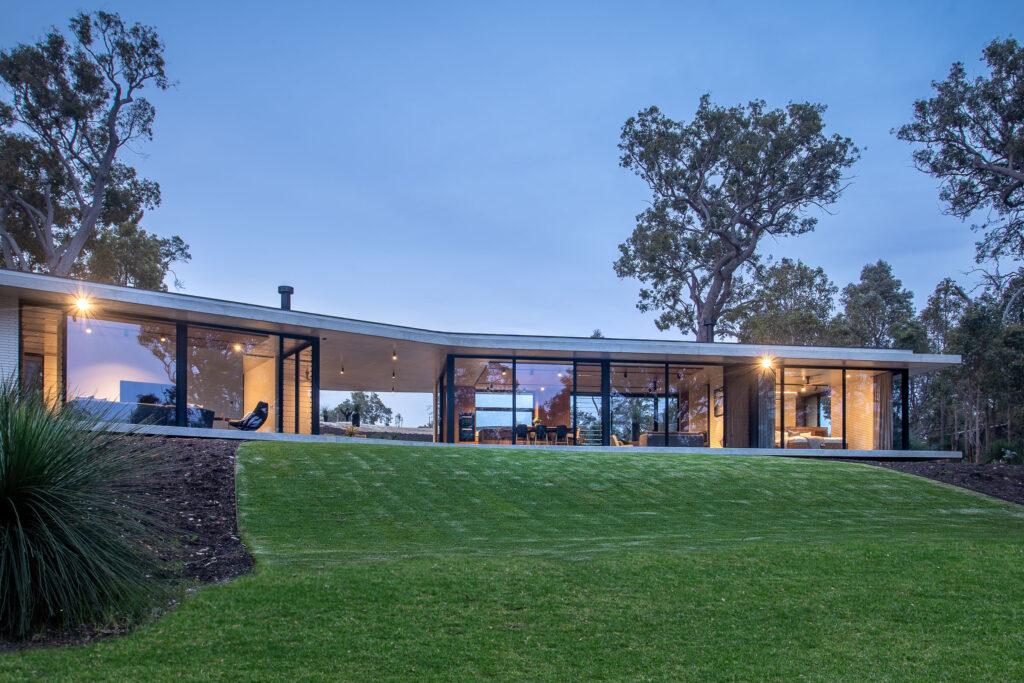
The Boomerang House, located in Sydney, is a modern architectural project designed to accommodate three generations under one roof. Its design includes semi-detached wings connected by shared living areas.
Using sustainable materials and smart systems, this home provides independent spaces for elderly parents and adult children while promoting energy efficiency. The design reflects Australia’s growing emphasis on adaptable, family-friendly housing solutions.
3. Eco-Multifamily Housing in Vancouver, Canada
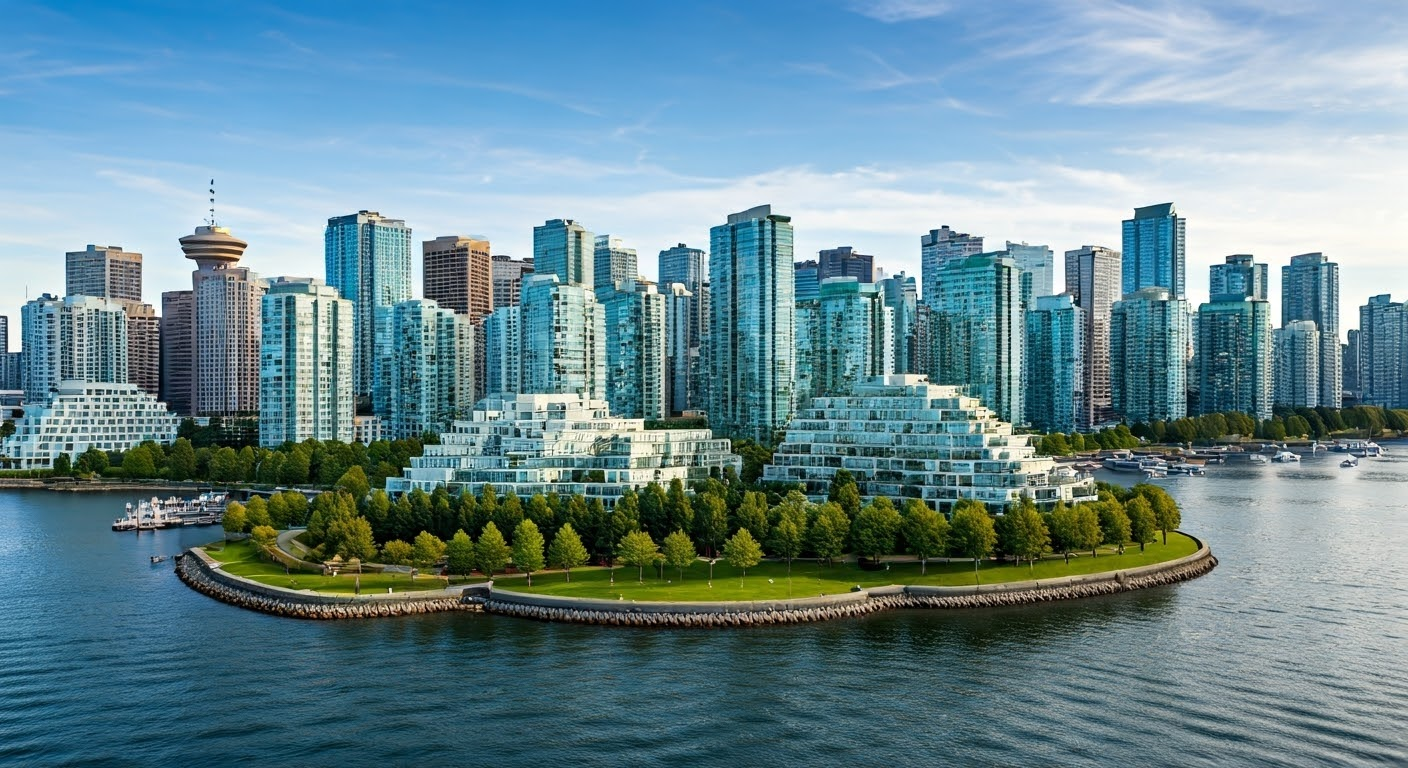
In Vancouver, developers have introduced eco-multifamily homes combining sustainability and multigenerational design. These properties include private suites, shared courtyards, and community gardens.
They demonstrate how green architecture and family-oriented design can coexist-offering environmentally responsible, affordable, and inclusive living solutions in dense urban settings.
4. Japanese Multi-Generational Homes
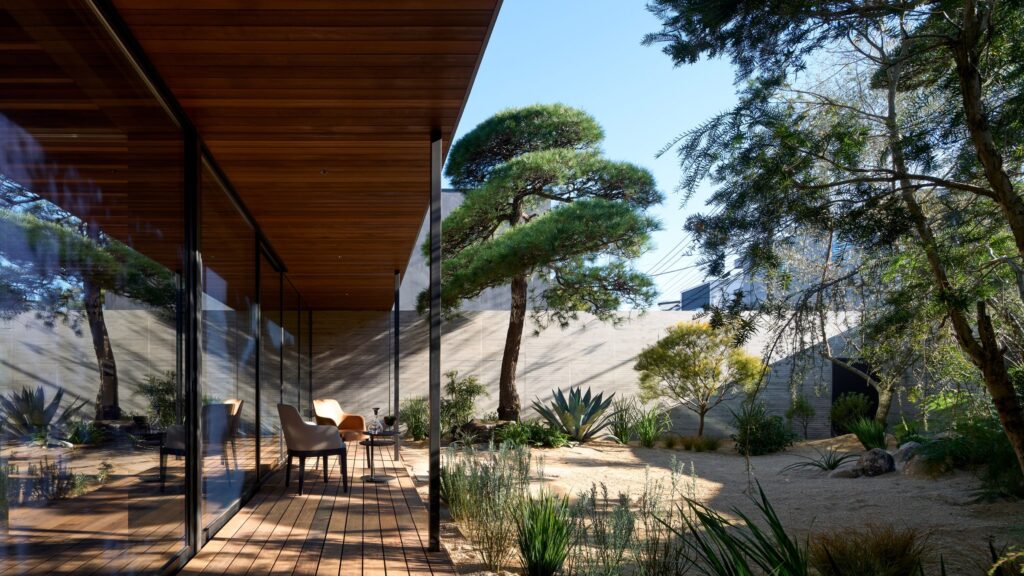
In Japan, multigenerational housing has long been a cultural norm. Modern architects have evolved the concept with smart home technologies and minimalistic design. Contemporary Japanese homes feature modular living units that can adapt to changing family needs-reflecting flexibility, harmony, and respect for aging family members.
These examples showcase the versatility and cultural adaptability of multigenerational housing in different global contexts.
Use Cases of Multigenerational Housing
Aging in Place
Multigenerational homes enable elderly family members to age in place comfortably. Families can provide daily care, monitor health, and prevent social isolation-all within a familiar environment.
Supporting Adult Children
Economic challenges and delayed independence among younger adults have increased the need for multigenerational housing. These homes provide affordable living arrangements for adult children completing studies or beginning careers.
Flexible Home Functionality
Multigenerational homes can easily adapt to life’s transitions. Spare rooms can become home offices, rental units, or guest suites-offering flexibility as family needs evolve. This adaptability makes them a practical investment for long-term living.
The Future of Multigenerational Real Estate Design
The real estate industry is responding to the rising popularity of multigenerational living with innovative design solutions. Builders now offer customizable floor plans, modular units, and smart integration tailored to diverse family needs.
In 2025 and beyond, expect to see greater emphasis on universal design principles, sustainability, and AI-assisted home management systems. Real Estate Trend: Multigenerational Housing. Architects are focusing on creating inclusive, technology-enabled spaces that support the emotional, social, and financial well-being of families.
Governments and city planners are also revisiting zoning laws to encourage the construction of accessory dwelling units (ADUs) and secondary suites-further normalizing multigenerational housing as a mainstream solution.
This trend represents a major shift toward community-driven, resilient housing models-reshaping the future of urban and suburban living.
Benefits of Integrating Technology and Sustainable Design
The integration of smart technology and sustainable architecture enhances both comfort and efficiency in multigenerational homes. Real Estate Trend: Multigenerational Housing. Smart lighting, automated climate systems, and energy monitoring reduce utility costs while promoting eco-friendly living.
Sustainable materials such as reclaimed wood, solar panels, and water recycling systems contribute to longevity and environmental responsibility. Together, these innovations make multigenerational housing both future-proof and cost-effective.
Frequently Asked Questions
Q1. What does multigenerational housing mean?
Multigenerational housing refers to homes designed for multiple generations of a family to live together-often including separate living areas, kitchens, and bathrooms for privacy while maintaining shared spaces for connection.
Q2. Is multigenerational housing more expensive to build?
Initially, construction costs may be higher due to added space and design complexity. However, shared costs, long-term savings, and increased property value make it a sound financial investment.
Q3. Why is multigenerational housing becoming so popular?
It addresses modern challenges like housing affordability, elder care, and changing family dynamics. The model provides financial flexibility, emotional connection, and sustainability-all in one home.