Sustainable Construction Materials 2025 Innovations Shaping the Future of Green Building
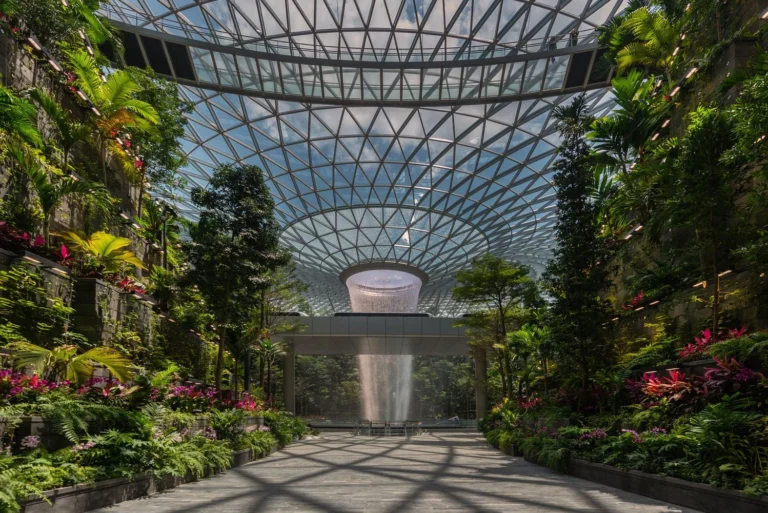
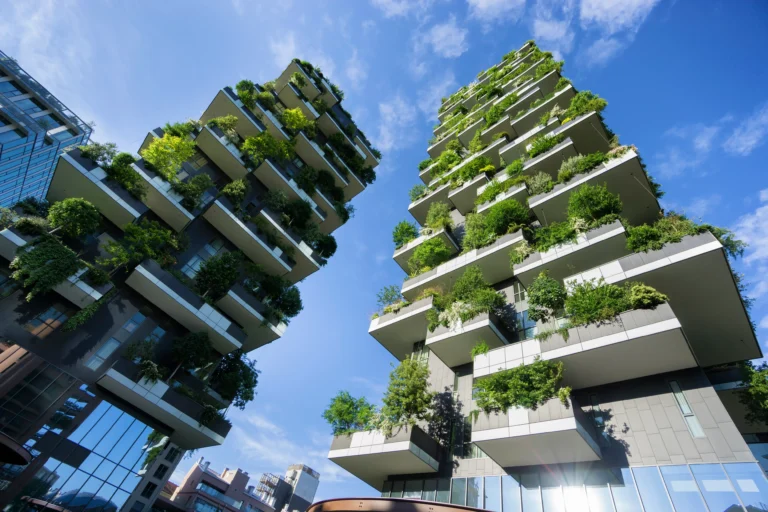
Sustainable construction materials are at the heart of the global movement toward green building practices. In 2025, the construction industry continues to evolve with a focus on reducing carbon emissions, improving energy efficiency, and utilizing renewable or recycled resources.
These materials are designed to minimize the environmental impact throughout their lifecycle- from sourcing and manufacturing to installation, maintenance, and end-of-life disposal. Unlike conventional materials such as concrete and steel, which contribute heavily to global CO₂ emissions, sustainable alternatives aim to create structures that are durable, energy-efficient, and environmentally responsible.
The adoption of sustainable materials not only addresses environmental concerns but also enhances the long-term economic viability of construction projects. Builders, architects, and homeowners alike are embracing these innovations to meet stricter environmental regulations and consumer demand for greener living spaces.
The Importance of Sustainable Construction in 2025
As urbanization accelerates, the global construction industry faces mounting pressure to curb its environmental footprint. Construction accounts for nearly 40% of global energy-related CO₂ emissions, making the shift toward sustainability not just an option but a necessity.
In 2025, sustainable construction is driven by three key trends: decarbonization, resource efficiency, and circular economy principles. These focus areas promote the use of renewable materials, design for longevity, and recycling of waste products into new construction inputs.
Moreover, governments and organizations worldwide are introducing green building standards such as LEED, BREEAM, and EDGE, encouraging the integration of sustainable materials into construction projects. The combination of environmental awareness and technological innovation is reshaping the industry from the ground up.
Characteristics of Sustainable Construction Materials
Sustainable construction materials in 2025 are characterized by several defining features that differentiate them from traditional building resources:
-
Renewability and Recyclability: Materials sourced from renewable or recycled origins, such as bamboo or reclaimed wood, help preserve natural resources.
-
Low Carbon Footprint: Advanced manufacturing techniques and carbon-negative materials reduce greenhouse gas emissions during production.
-
Durability and Longevity: Sustainable materials are engineered to last longer, minimizing the need for replacements and reducing lifecycle costs.
-
Energy Efficiency: Materials that improve insulation, regulate temperature, and enhance energy performance are central to sustainable design.
-
Health and Indoor Air Quality: Non-toxic materials with low or zero volatile organic compounds (VOCs) promote healthier indoor environments.
These properties make sustainable materials integral to green architecture, resilient design, and long-term ecological preservation.
Innovative Sustainable Construction Materials of 2025
1. Hempcrete: The Carbon-Negative Building Solution
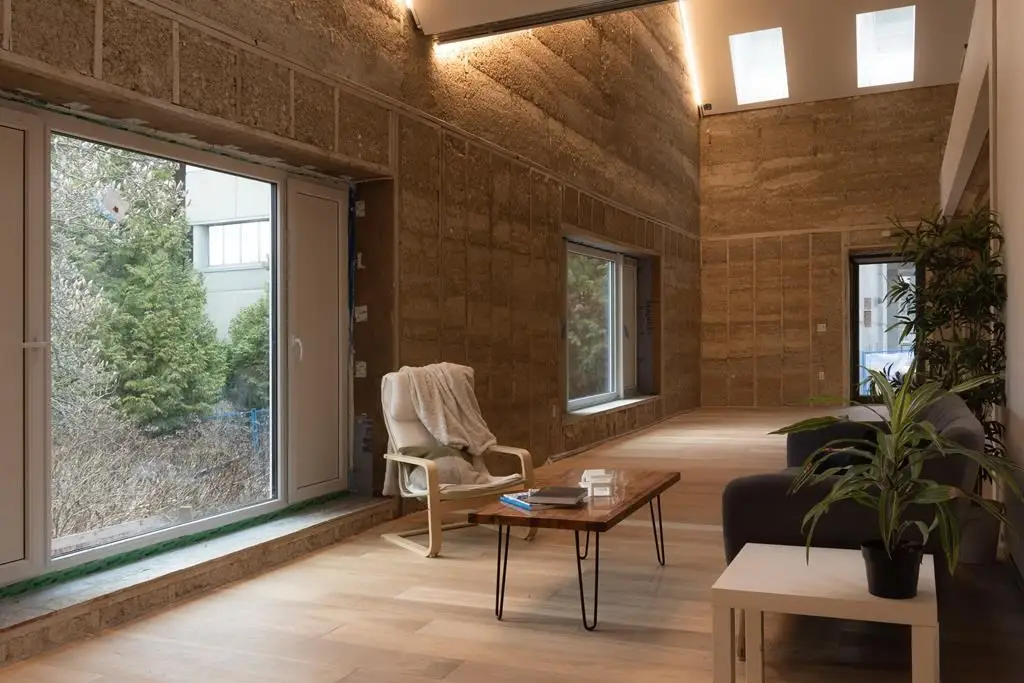
Hempcrete is one of the most promising sustainable materials in 2025. Made from a mixture of hemp hurds, lime, and water, this bio-composite material offers outstanding insulation properties and a carbon-negative footprint.
The cultivation of hemp absorbs significant amounts of CO₂ from the atmosphere, while the lime binder further captures carbon as it cures. Hempcrete is lightweight, breathable, and resistant to mold and pests, making it ideal for sustainable residential construction.
2. Recycled Steel: Strength Meets Sustainability
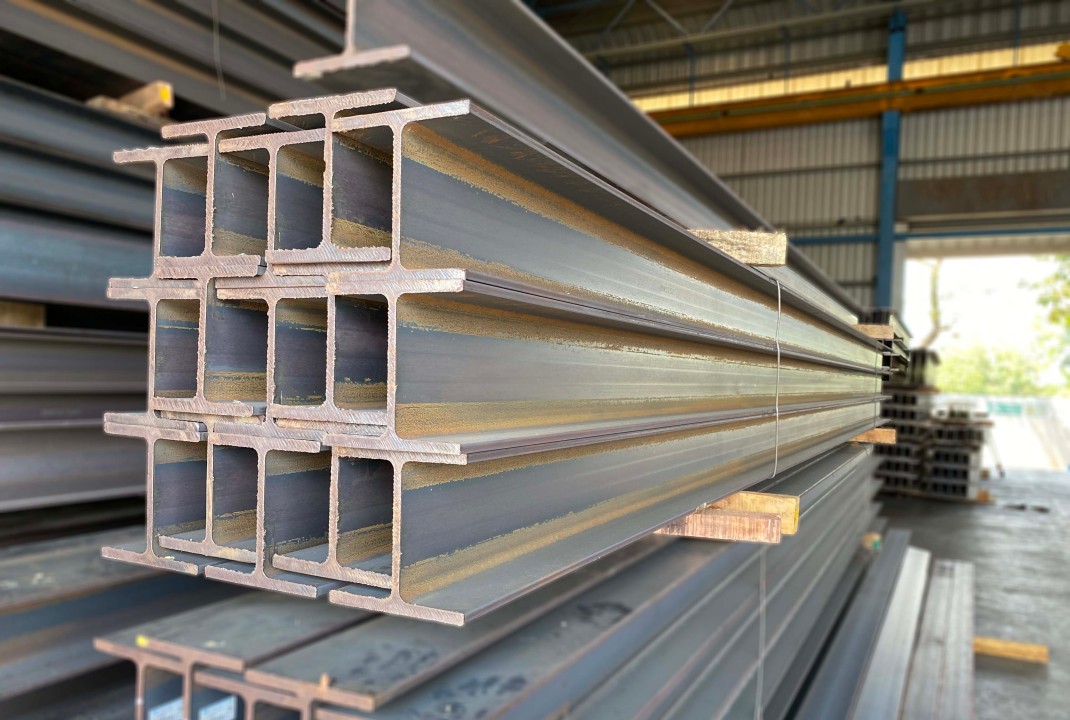
Steel remains one of the most recycled materials in the world. In 2025, technological advancements have made recycled steel even more energy-efficient to produce. Using electric arc furnaces powered by renewable energy drastically reduces emissions compared to traditional blast furnaces.
Recycled steel retains its structural integrity and can be reused indefinitely without losing quality. It is a key material for green skyscrapers and infrastructure projects, combining high strength with circular economy principles.
3. Cross-Laminated Timber (CLT): The Future of Sustainable Skyscrapers
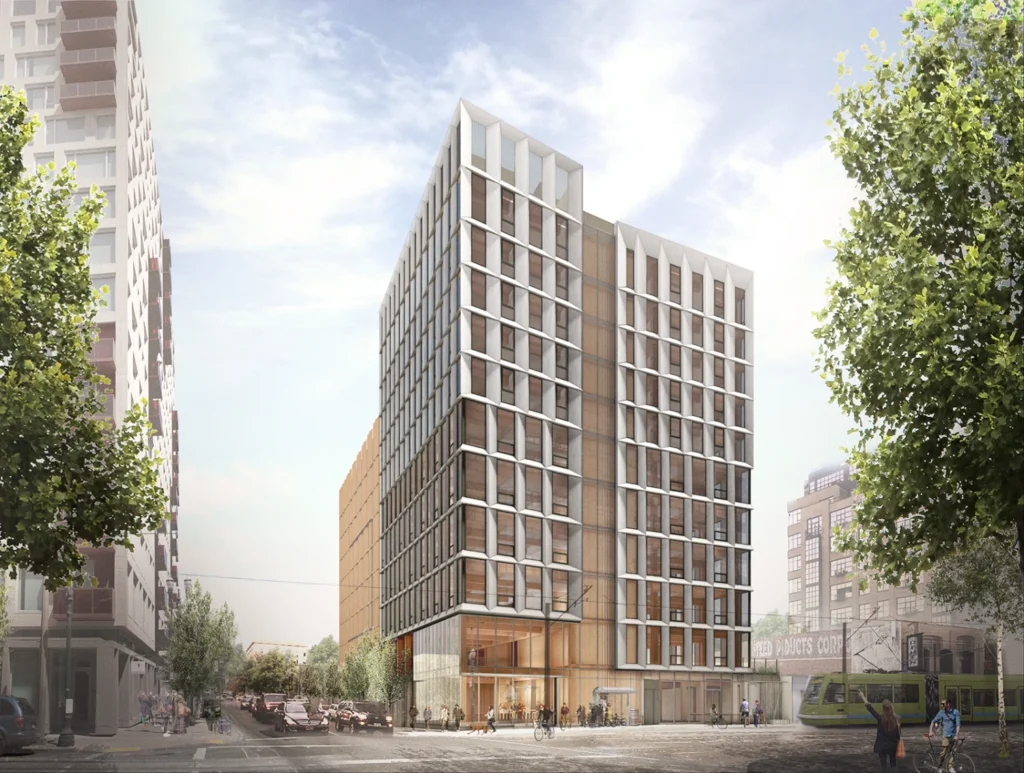
Cross-laminated timber, or CLT, has become a cornerstone of sustainable construction in 2025. It consists of multiple layers of wood glued perpendicular to each other, creating panels with exceptional strength and stability.
CLT is not only renewable but also stores carbon throughout its lifespan. Its use in high-rise buildings-often referred to as “plyscrapers”-represents a major shift from concrete to timber-based construction. In addition, prefabricated CLT components reduce construction time and waste.
4. Recycled Concrete Aggregate (RCA): Closing the Loop on Waste
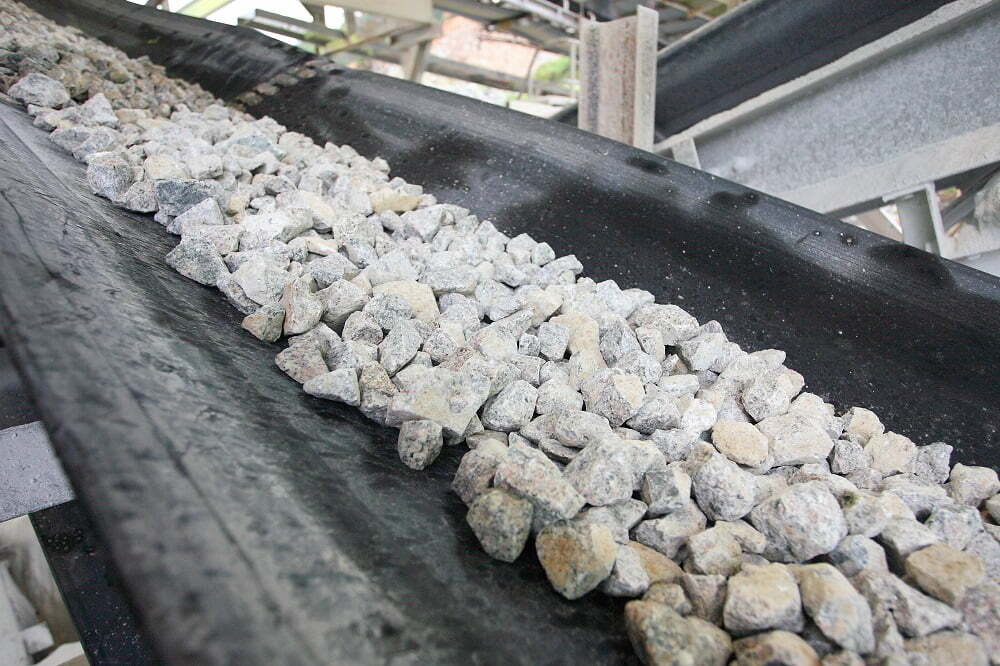
Recycled concrete aggregate is transforming how construction waste is managed. Instead of discarding demolished concrete, RCA processes it into reusable material for new construction projects.
In 2025, advanced crushing and screening technologies ensure RCA’s structural integrity meets modern standards. Its use significantly reduces the demand for virgin aggregate and lowers landfill waste, aligning perfectly with circular construction goals.
5. Mycelium-Based Composites: Nature’s Biodegradable Material
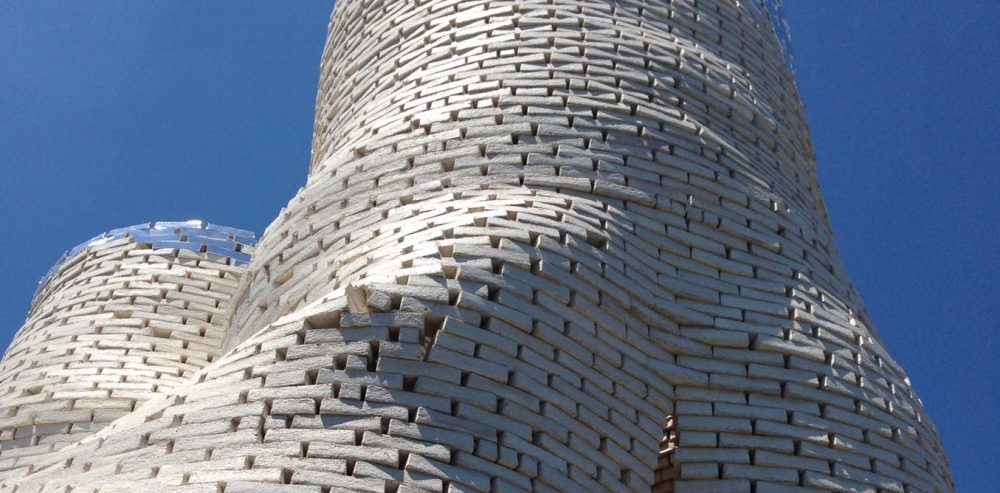
Mycelium, the root structure of fungi, is now used to create lightweight, biodegradable building materials. Mycelium composites can replace plastics, foams, and even bricks, providing excellent insulation and fire resistance.
The production process requires minimal energy and can utilize agricultural byproducts, making it both eco-friendly and cost-effective. Mycelium-based materials are particularly valuable in modular construction and sustainable packaging.
Benefits of Using Sustainable Construction Materials
The shift toward sustainable construction materials offers multiple advantages that extend beyond environmental impact.
First, energy efficiency is greatly enhanced. Materials like hempcrete and CLT improve thermal insulation, reducing reliance on artificial heating and cooling systems. This results in lower operational energy use and significant cost savings over time.
Second, resource conservation plays a major role. Recycled and renewable materials reduce the depletion of non-renewable resources such as limestone, sand, and metals. This supports long-term ecological balance and sustainable supply chains.
Third, healthier living environments are achieved through non-toxic, low-emission materials that enhance indoor air quality. Homeowners and occupants benefit from reduced exposure to allergens, chemicals, and pollutants.
Finally, economic benefits arise from lower lifecycle costs and increasing demand for sustainable construction. Green-certified buildings often have higher property values and better marketability due to their long-term durability and performance.
Use Cases: Real-World Applications of Sustainable Materials
Residential Eco-Homes
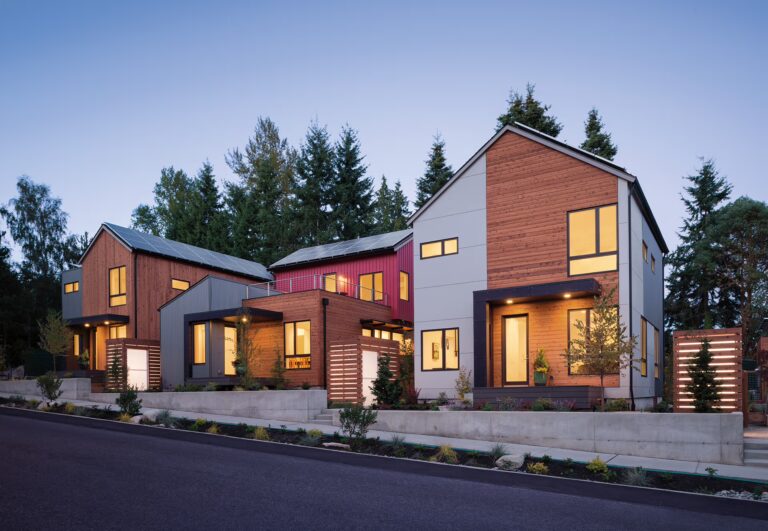
In modern housing developments, sustainable materials like CLT and hempcrete are used to build energy-efficient homes with minimal environmental impact. These homes often integrate renewable energy systems, creating near-zero carbon footprints.
For example, eco-communities in Scandinavia and Canada are utilizing timber-based construction combined with passive solar design, drastically reducing heating demands during winter.
Commercial Green Buildings
Major corporations are adopting sustainable materials for office complexes and headquarters. Recycled steel and concrete aggregates are frequently used to meet LEED or BREEAM certification standards.
Buildings like The Edge in Amsterdam and Bloomberg’s London HQ demonstrate how sustainable materials can coexist with modern design and technology, offering both efficiency and aesthetics.
Infrastructure Projects
Public infrastructure is another area where sustainable materials are making an impact. Recycled asphalt, green concrete, and composite materials are being used in bridges, roads, and public buildings. These applications reduce costs while supporting long-term resilience.
The Role of Technology in Sustainable Construction Materials
Technological innovation has become the backbone of material sustainability. In 2025, advanced research in nanotechnology, 3D printing, and biomaterials is revolutionizing how materials are produced and used.
For instance, 3D printing with sustainable concrete mixtures allows for precise construction with less waste. AI-driven design tools optimize material use, ensuring that every component serves a purpose in reducing energy consumption and environmental impact.
Smart sensors and monitoring systems also track the performance of sustainable materials over time, ensuring structural integrity and energy efficiency. This data-driven approach supports the continuous improvement of green building practices.
Challenges and Future Outlook
Despite significant progress, challenges remain in scaling sustainable construction materials globally. Limited supply chains, higher upfront costs, and lack of skilled labor can slow adoption.
However, as technology advances and environmental regulations tighten, these materials will become more accessible and cost-competitive. The ongoing collaboration between architects, scientists, and policymakers ensures that sustainability remains at the forefront of future construction strategies.
By 2030, experts predict that nearly 60% of new buildings worldwide will incorporate sustainable materials-marking a major milestone in reducing global emissions and fostering a greener planet.
Frequently Asked Questions
Q1. What are the most sustainable construction materials available in 2025?
The most sustainable materials in 2025 include hempcrete, cross-laminated timber, mycelium composites, recycled steel, and recycled concrete aggregate. These materials minimize environmental impact while maintaining strength and durability.
Q2. Are sustainable materials more expensive than traditional ones?
Initially, sustainable materials may have higher upfront costs, but they often provide long-term savings through energy efficiency, durability, and reduced maintenance needs. Over time, they become more economical than conventional options.
Q3. How can sustainable materials help reduce climate change?
Sustainable materials reduce CO₂ emissions during production and operation, store carbon naturally, and promote energy efficiency in buildings. Collectively, they play a crucial role in decarbonizing the construction sector.