Sustainable Rebuilding After Disasters Creating Resilient and Eco-Friendly Recovery Models
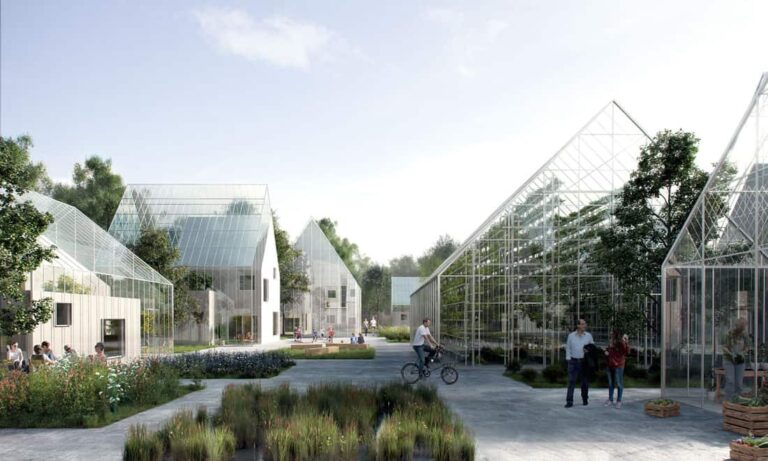
Sustainable rebuilding after disasters refers to the process of reconstructing homes, infrastructure, and communities using environmentally responsible methods that promote resilience and reduce vulnerability to future catastrophes. It combines sustainable design, renewable energy technologies, and eco-conscious urban planning to ensure that recovery efforts lead to safer and more livable environments.
In the context of increasing climate-related disasters such as hurricanes, floods, and wildfires, this approach emphasizes durability and environmental harmony. It not only restores what was lost but also improves the long-term sustainability of affected regions by focusing on renewable materials, efficient energy use, and nature-based solutions.
The Importance of Sustainable Rebuilding for Long-Term Resilience
Sustainable rebuilding helps break the cycle of repeated destruction and costly reconstruction. Traditional rebuilding often replicates pre-disaster vulnerabilities materials, poor drainage, and inadequate energy systems. Sustainable rebuilding, however, addresses root causes by integrating climate adaptation strategies.
For example, in coastal areas prone to flooding, elevated structures and permeable surfaces are used to manage stormwater. In wildfire-prone regions, fire-resistant materials and vegetation buffers are incorporated into designs. This kind of planning not only protects communities but also reduces the environmental footprint of reconstruction activities.
Key Principles of Sustainable Rebuilding
Using Eco-Friendly Building Materials
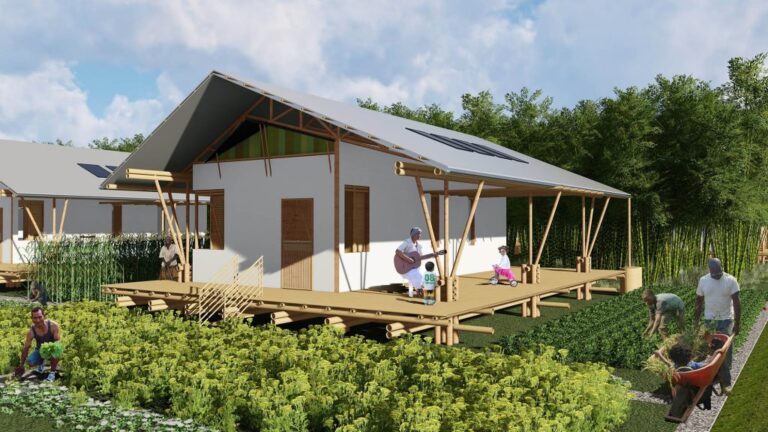
One of the core pillars of sustainable rebuilding after disasters is the use of environmentally friendly and locally available materials. These may include recycled concrete, bamboo, reclaimed wood, and rammed earth. Such materials reduce carbon emissions from transportation and manufacturing while providing excellent insulation and durability.
Locally sourced materials also support regional economies, providing jobs and empowering communities to actively participate in rebuilding efforts. Moreover, using these resources minimizes dependency on global supply chains that often slow down disaster recovery.
Designing Energy-Efficient Structures
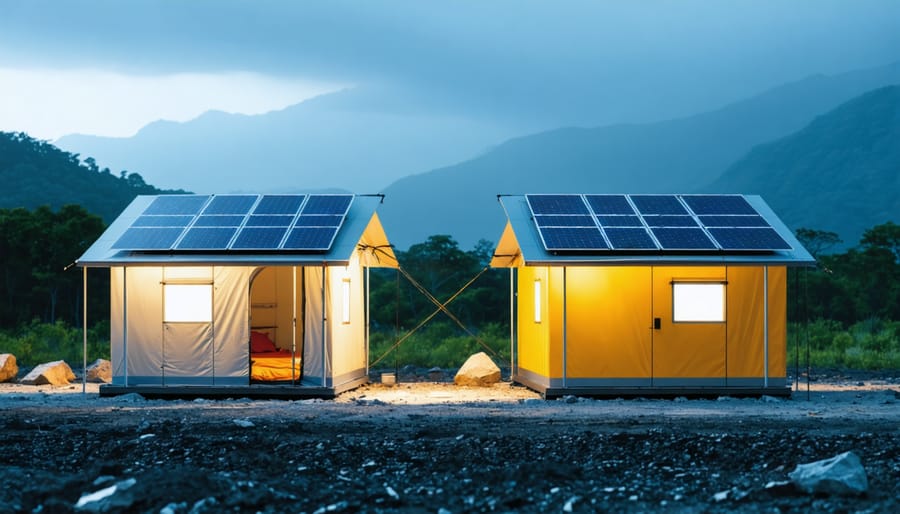
Energy efficiency plays a vital role in sustainable rebuilding. Solar panels, smart energy systems, and passive cooling designs can significantly reduce operational costs and environmental impact. By using natural ventilation, daylighting, and renewable energy technologies, rebuilt structures can remain functional even during power outages or energy disruptions.
These strategies are essential in disaster-prone areas where infrastructure is often damaged. A self-sufficient, energy-efficient building ensures safety, comfort, and continuity of life even in the aftermath of severe disasters.
The Role of Technology in Sustainable Rebuilding
Technological innovations have become the driving force behind sustainable rebuilding after disasters. Advanced construction methods, data-driven design, and renewable energy solutions enable faster and more efficient recovery processes.
Smart Construction Techniques
Modern construction technologies such as 3D printing and modular building systems have revolutionized the rebuilding process. 3D-printed homes, for example, can be constructed rapidly with minimal waste. They are also customizable, allowing for integration of disaster-resistant features like reinforced walls and elevated foundations.
Modular construction, on the other hand, allows prefabricated units to be assembled on-site, speeding up the rebuilding process while maintaining quality control. These approaches reduce waste, save time, and ensure consistent sustainability standards.
Renewable Energy Integration
Renewable energy systems such as solar microgrids, wind turbines, and biogas units play a central role in sustainable rebuilding. They provide reliable and clean energy sources that reduce dependence on traditional power grids. This is especially critical in disaster-affected areas where energy infrastructure is often destroyed.
By integrating renewable systems into homes, hospitals, and schools, communities can ensure energy resilience while reducing emissions and long-term operational costs.
Real-World Examples of Sustainable Rebuilding Projects
1. Make It Right Foundation – New Orleans, USA
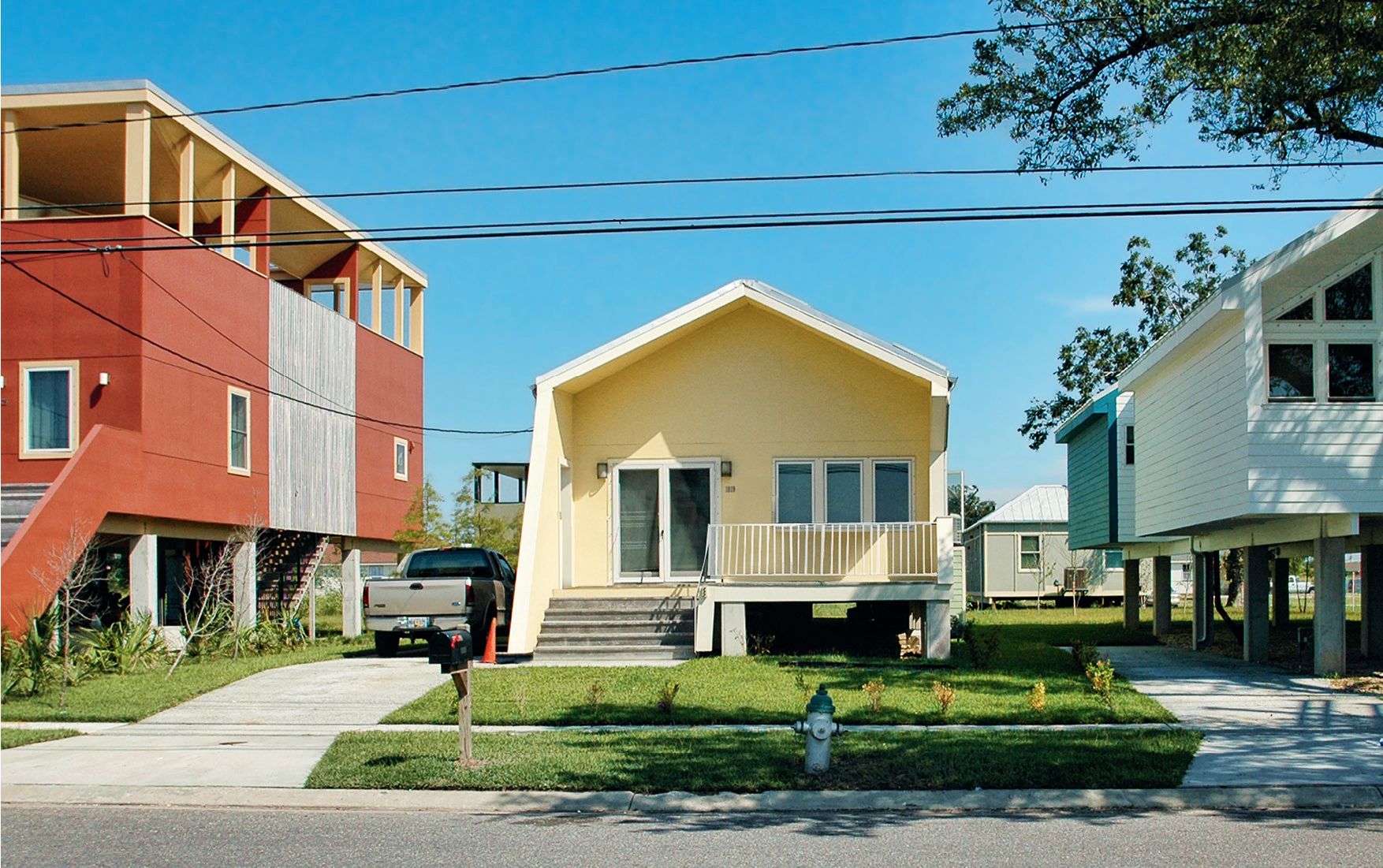
After Hurricane Katrina, the Make It Right Foundation launched an initiative to rebuild homes in New Orleans’ Lower Ninth Ward using sustainable design principles. Each home featured solar panels, energy-efficient insulation, and green roofs to minimize heat absorption.
This project demonstrated how environmentally conscious rebuilding can provide both resilience and affordability. It also inspired similar efforts worldwide, proving that post-disaster recovery can align with sustainability goals.
2. The Greens Homes Project – Tacloban, Philippines
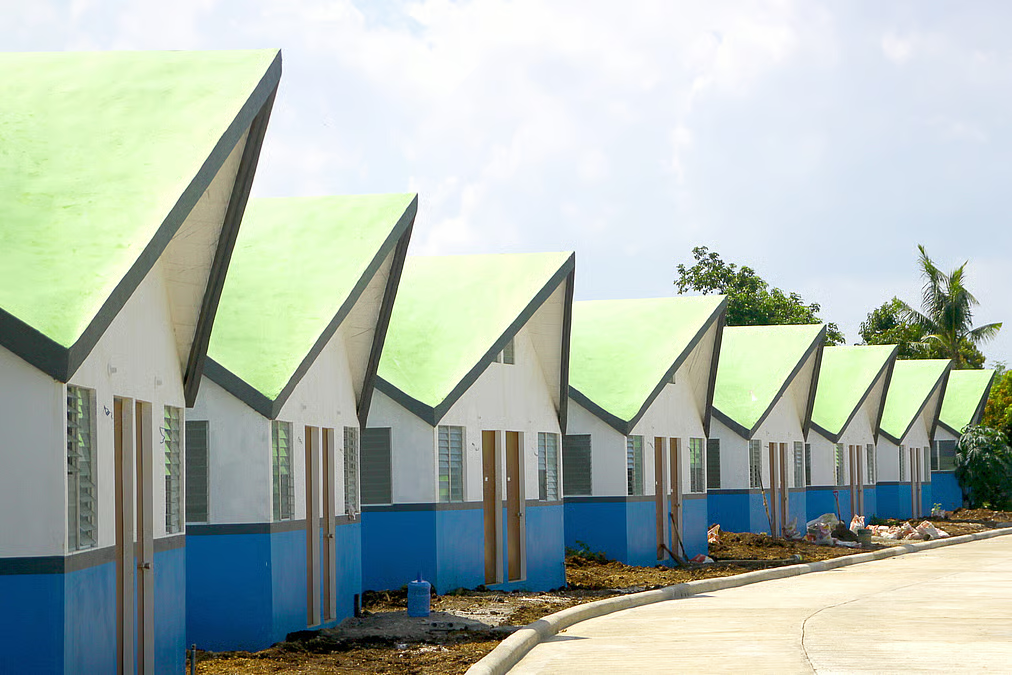
Following Typhoon Haiyan, Tacloban City adopted bamboo-based housing solutions designed for resilience and sustainability. The bamboo structures are lightweight yet strong, capable of withstanding strong winds and earthquakes.
This project showcased how local, renewable materials could play a key role in post-disaster housing programs, reducing rebuilding costs and enhancing cultural relevance while preserving the environment.
3. Christchurch Rebuild – New Zealand
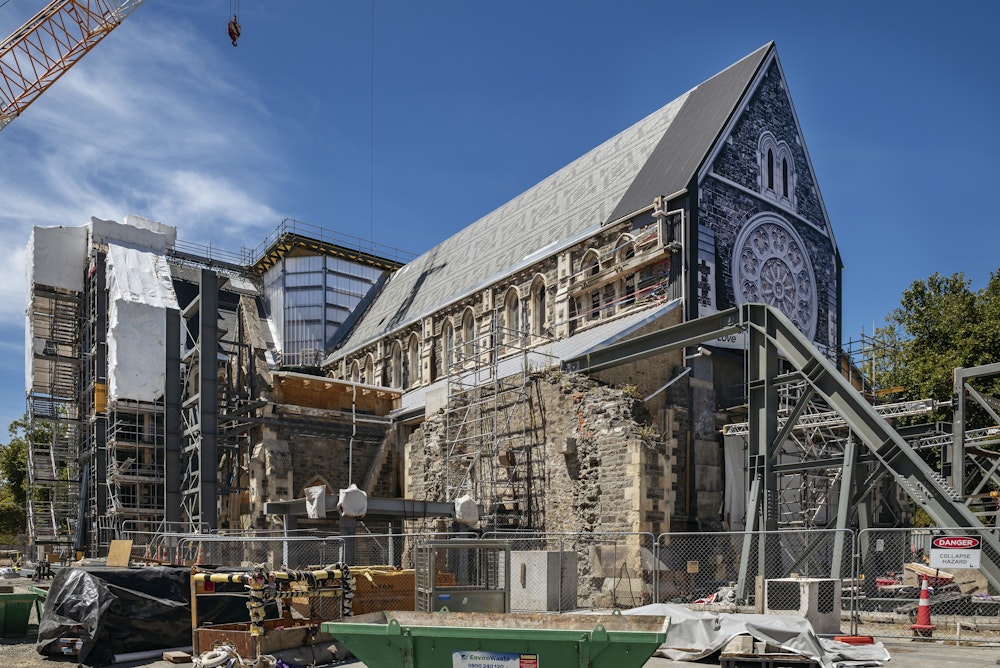
After the 2011 earthquake, Christchurch undertook one of the most ambitious sustainable rebuilding projects in the world. The city used seismic base isolators, renewable energy systems, and green infrastructure such as rain gardens and permeable pavements.
This comprehensive rebuilding plan not only restored Christchurch but also transformed it into a global model for resilience and sustainable urban development.
4. Sendai Framework Implementation – Japan
Japan’s approach to post-disaster recovery integrates the Sendai Framework for Disaster Risk Reduction. The government emphasizes disaster-resilient construction, renewable energy adoption, and smart city planning.
Japanese rebuilding projects prioritize safety, efficiency, and sustainability. Their use of smart grids, solar infrastructure, and eco-friendly materials highlights how technology can create safer and greener communities.
Benefits of Sustainable Rebuilding After Disasters
Sustainable rebuilding goes beyond environmental advantages—it also delivers social, economic, and health benefits.
Enhanced Community Resilience
By constructing durable, adaptable structures, communities can withstand future natural disasters more effectively. This reduces loss of life, property damage, and displacement. It also fosters a sense of security among residents, enabling faster recovery and long-term stability.
Economic Efficiency and Local Empowerment
Sustainable rebuilding often involves local labor and materials, stimulating economic recovery. Furthermore, renewable energy systems and energy-efficient designs reduce operational costs for homeowners and public buildings, offering long-term financial savings.
Local engagement also ensures cultural compatibility and community ownership of reconstruction efforts, making them more sustainable over time.
Practical Use Cases of Sustainable Rebuilding
Rebuilding Coastal Communities
Coastal areas vulnerable to hurricanes and sea-level rise benefit from elevated housing and flood-resistant materials. Sustainable rebuilding in these regions integrates natural barriers like mangrove restoration and coral reef protection to mitigate future risks.
Reconstructing Fire-Prone Regions
In areas affected by wildfires, sustainable rebuilding focuses on fire-resistant materials like metal roofs and concrete siding. Additionally, smart landscaping and zoning help create natural firebreaks to minimize risk.
Restoring Earthquake-Damaged Cities
Cities in seismic zones can adopt advanced structural reinforcements and smart monitoring systems. These help detect stress points in buildings and improve safety during future quakes. Sustainable rebuilding in such areas ensures both safety and environmental stewardship.
FAQs About Sustainable Rebuilding After Disasters
Q1. What makes rebuilding sustainable after a disaster?
Sustainable rebuilding involves using eco-friendly materials, renewable energy systems, and resilient designs that minimize environmental impact and enhance disaster preparedness. It emphasizes long-term durability and reduced resource consumption.
Q2. How can technology improve post-disaster reconstruction?
Technology accelerates recovery through innovations like 3D printing, modular construction, and smart energy systems. These tools make rebuilding faster, cheaper, and more sustainable while ensuring stronger, more resilient structures.
Q3. Why is community involvement crucial in sustainable rebuilding?
Local participation ensures that reconstruction aligns with cultural values, economic needs, and environmental realities. It empowers communities, fosters ownership, and leads to more successful and enduring rebuilding outcomes.